
Security - 11 July 2026
Sudan Reviews U.S. Peace Plan While Raising Concerns Over Political Process
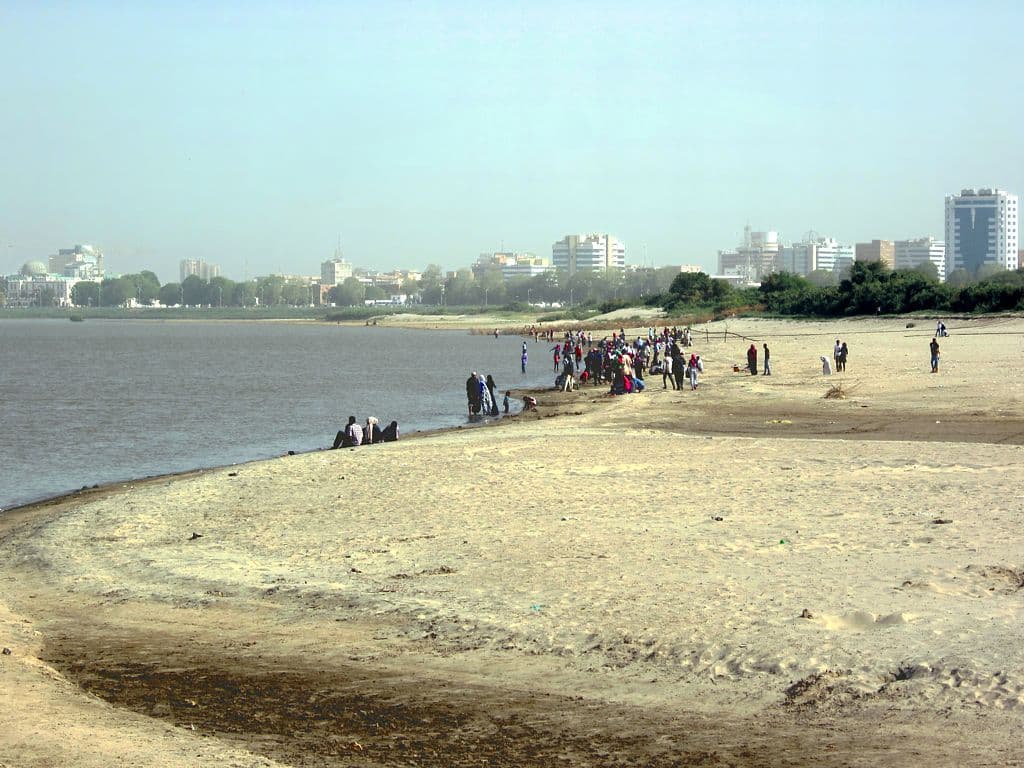
KHARTOUM, July 11, 2026 - Sudan’s government is reviewing a United States proposal aimed at ending the country’s conflict, expressing broad support for its overall objectives while maintaining reservations over key elements related to political dialogue and security arrangements.
The proposed framework is built around five main pillars: a humanitarian truce, the launch of a political process, a comprehensive ceasefire, reconstruction, and economic recovery.
The plan calls for an immediate 90-day nationwide humanitarian truce to facilitate aid deliveries, protect civilians, and establish a coordination mechanism to oversee implementation.
It also proposes the creation of a monitoring mechanism involving the United Nations, the African Union, and the Arab League to supervise limited military withdrawals and deploy international observers while respecting Sudan’s sovereignty.
The initiative envisions using the initial truce as a foundation for negotiating a permanent ceasefire and launching an inclusive, civilian-led national dialogue to guide a transitional period toward democratic elections.
Beyond security measures, the proposal includes plans to stabilize the economy, revive agricultural production, and establish a reconstruction fund to rebuild infrastructure under the oversight of a future civilian transitional government.
Despite broad agreement on the proposal’s general objectives, differences remain between Khartoum and Washington on two major issues.
The first concerns the political process. Sudanese authorities insist that any national dialogue should be held inside the country and include all political groups, while the U.S. proposal excludes the former ruling National Congress Party and groups associated with violent extremism or individuals accused of serious human rights abuses.
The second point of disagreement relates to military arrangements. The U.S. framework proposes a phased withdrawal of forces from selected regions, beginning with North Darfur and North Kordofan under international monitoring. Sudan’s government, however, argues that the Rapid Support Forces (RSF) should withdraw completely from all territories captured since May 2023 rather than through a gradual process.
The discussions reflect ongoing international efforts to revive negotiations and identify a political path toward ending Sudan’s more than three-year conflict.
Related reading
Security - 31 August 2026
DRC And Congo-Brazzaville Move To De-Escalate Congo River Border Clash
Kinshasa, August 31, 2026 - The DRC and Congo-Brazzaville moved to contain tensions after a fatal August 28 clash between FARDC troops and Congo-Brazzaville forces on the Congo River between Yumbi and Makotimpoko.
By Amina Kabasele - 3 min read

Security - 31 August 2026
Walikale Villages Empty As Fighting Spreads In Eastern DRC
Goma, August 31, 2026 - Multiple villages in the Waloa Loanda groupement of Walikale were emptied as fighting between the army and AFC/M23 forces spread from nearby Masisi and Kalehe zones, deepening humanitarian…
By Amina Kabasele - 3 min read
Security - 31 August 2026
Government Says Army Is Blocking AFC/M23 Expansion In Kivu
Kinshasa, August 31, 2026 - The government said the FARDC was systematically foiling AFC/M23 attempts to occupy additional territory in the Kivus, as fighting continued on multiple fronts.
By Amina Kabasele - 3 min read