
Sécurité - 11 juillet 2026
Le Soudan examine le plan de paix américain tout en faisant part de ses inquiétudes quant au processus politique
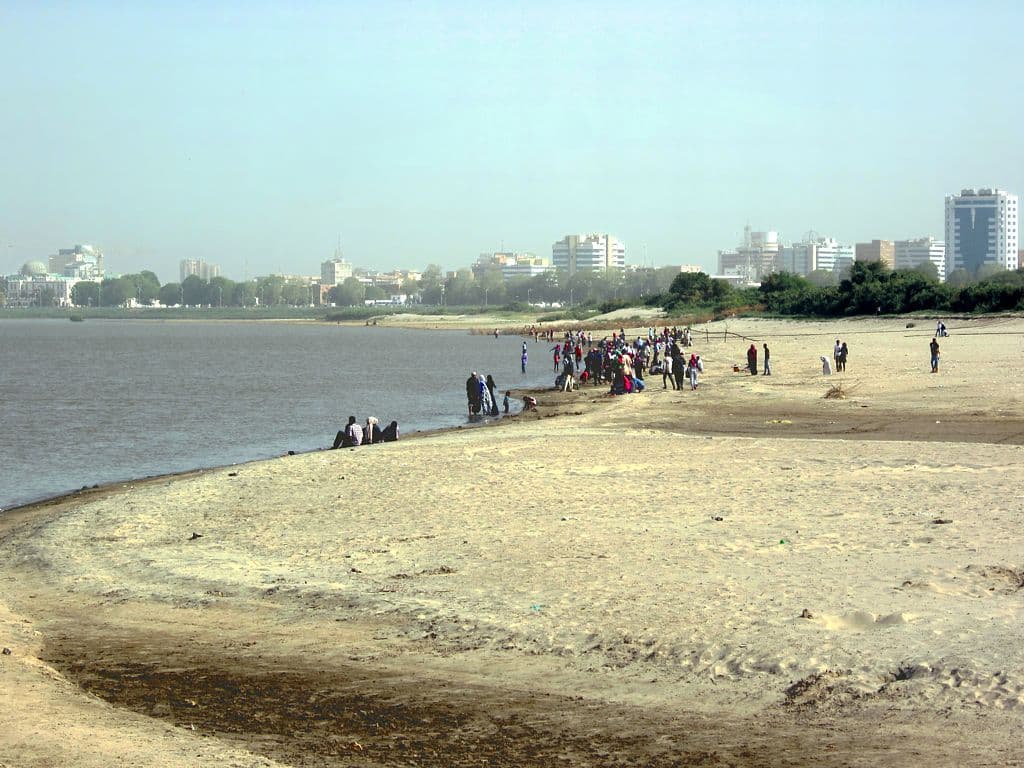
KHARTOUM, le 11 juillet 2026 - Le gouvernement soudanais examine actuellement une proposition américaine visant à mettre fin au conflit dans le pays, exprimant un large soutien à ses objectifs généraux tout en maintenant des réserves sur les éléments clés liés au dialogue politique et aux arrangements de sécurité.
Le cadre proposé s'articule autour de cinq piliers principaux : une trêve humanitaire, le lancement d'un processus politique, un cessez-le-feu global, la reconstruction et la reprise économique.
Le plan appelle à une trêve humanitaire immédiate de 90 jours à l’échelle nationale pour faciliter les livraisons d’aide, protéger les civils et établir un mécanisme de coordination pour superviser la mise en œuvre.
Il propose également la création d’un mécanisme de surveillance impliquant les Nations Unies, l’Union africaine et la Ligue arabe pour superviser des retraits militaires limités et déployer des observateurs internationaux tout en respectant la souveraineté du Soudan.
L’initiative envisage d’utiliser la trêve initiale comme base pour négocier un cessez-le-feu permanent et lancer un dialogue national inclusif dirigé par des civils pour guider une période de transition vers des élections démocratiques.
Au-delà des mesures de sécurité, la proposition comprend des plans visant à stabiliser l’économie, à relancer la production agricole et à établir un fonds de reconstruction pour reconstruire les infrastructures sous la supervision d’un futur gouvernement civil de transition.
Malgré un large accord sur les objectifs généraux de la proposition, des divergences subsistent entre Khartoum et Washington sur deux questions majeures.
Le premier concerne le processus politique. Les autorités soudanaises insistent sur le fait que tout dialogue national doit avoir lieu à l'intérieur du pays et inclure tous les groupes politiques, tandis que la proposition américaine exclut l'ancien Parti du Congrès national au pouvoir et les groupes associés à l'extrémisme violent ou les individus accusés de graves violations des droits humains.
Le deuxième point de désaccord concerne les arrangements militaires. Le cadre américain propose un retrait progressif des forces de régions sélectionnées, en commençant par le Nord Darfour et le Nord Kordofan, sous surveillance internationale. Le gouvernement soudanais soutient cependant que les Forces de soutien rapide (RSF) devraient se retirer complètement de tous les territoires conquis depuis mai 2023 plutôt que par un processus progressif.
Les discussions reflètent les efforts internationaux en cours pour relancer les négociations et identifier une voie politique visant à mettre fin au conflit qui dure depuis plus de trois ans au Soudan.
À lire aussi
Sécurité - 31 août 2026
RDC et Congo-Brazzaville s'efforcent de désamorcer le conflit frontalier sur le fleuve Congo
Kinshasa, le 31 août 2026 - La RDC et le Congo-Brazzaville ont agi pour contenir les tensions après un affrontement mortel du 28 août entre les troupes des FARDC et les forces du Congo-Brazzaville sur le fleuve Congo…
Par Amina Kabasele - 3 min de lecture

Sécurité - 31 août 2026
Des villages de Walikale vidés alors que les combats se propagent dans l'est de la RDC
Goma, le 31 août 2026 - Plusieurs villages du groupement Waloa Loanda de Walikale ont été vidés alors que les combats entre l'armée et les forces AFC/M23 se sont étendus des zones voisines de Masisi et Kalehe…
Par Amina Kabasele - 3 min de lecture
Sécurité - 31 août 2026
Le gouvernement affirme que l'armée bloque l'expansion de l'AFC/M23 au Kivu
Kinshasa, le 31 août 2026 - Le gouvernement a déclaré que les FARDC faisaient systématiquement échouer les tentatives de l'AFC/M23 d'occuper de nouveaux territoires dans les Kivus, alors que les combats se poursuivaient…
Par Amina Kabasele - 3 min de lecture