
Security - 31 August 2026
Government Says Army Is Blocking AFC/M23 Expansion In Kivu
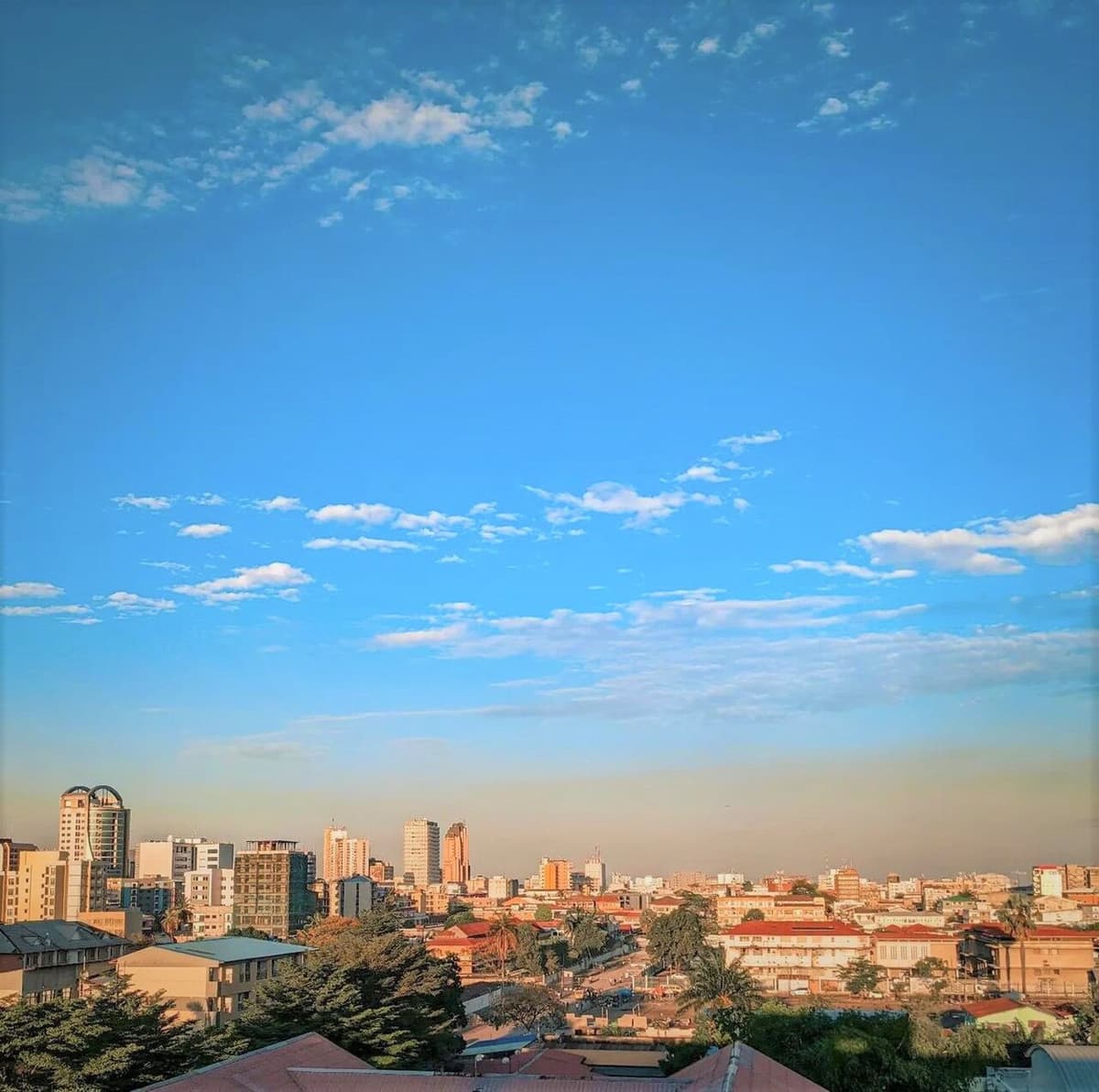
Kinshasa, August 31, 2026 - The government said the FARDC was systematically foiling AFC/M23 attempts to occupy additional territory in the Kivus, as fighting continued on multiple fronts.
The statement formed part of Kinshasa's official narrative on the eastern conflict, presenting the national army as containing rebel advances despite ongoing offensives.
The battlefield situation remains central to DRC's political risk outlook. Continued fighting in the Kivus threatens civilian security, complicates diplomacy and weighs on confidence in trade, mining and infrastructure activity in the east.
Conclusion
Between August 16 and 31, 2026, the Democratic Republic of Congo remained defined by a sharp contrast between expanding diplomatic and economic agendas in Kinshasa and persistent insecurity, epidemic pressure and humanitarian strain in the east. Peace frameworks advanced on paper, but battlefield conditions, aid-access constraints and governance execution gaps continued to shape the country's near-term risk outlook for investors, lenders and policy partners.
Politics And Diplomacy: President Felix Tshisekedi combined sovereignty messaging with selective dialogue politics, launching a national consultation track while excluding AFC/M23 and drawing criticism from opposition figures such as Seth Kikuni Kabund. Regional diplomacy intensified: Tanzania reaffirmed support for Congolese sovereignty, the DRC and Central African Republic signed defence cooperation deals, Washington welcomed progress under the Doha framework, and Angola warned that eastern fighting could spill across the Great Lakes. The African Union cautioned that existing peace deals had not halted combat, underscoring the credibility gap between negotiation tracks and ground realities. Media controls in AFC/M23-held South Kivu and contested narratives around Minembwe further highlighted how information, identity politics and security strategy remain intertwined.
Economy And Infrastructure Execution: Macroeconomic messaging emphasized reform and market access, with Finance Minister Doudou Fwamba defending revenue mobilization and sovereign borrowing capacity, while the Congolese franc held relatively stable into the school-year spending period. The more material policy signal was absorption capacity: an audit showed only 24.3 percent of a $10.7 billion external project portfolio had been disbursed, prompting presidential orders to unblock procurement and partner coordination. Concurrently, Kinshasa advanced strategically significant files - nearly $500 million in IDA financing, CADECO-linked payroll decentralization, Lobito Corridor concession progress with Mota-Engil under a no-sovereign-guarantee structure, Angola energy and shared offshore-zone cooperation, and renewed debate on Congolese mining equity rules. Local shocks such as the Kalemie fuel strike and customs auctions of warehoused minerals in Lubumbashi underlined how logistics and enforcement frictions still transmit quickly into prices and supply chains.
Social, Health And Institutional Integrity: The Bundibugyo-strain Ebola outbreak remained a major national shock, with rising case and death counts, attacks on response teams in Ituri, a hospital fire in Butembo after a confirmed case, and continued UN/WHO pressure for access in conflict zones. Authorities reported recoveries and ruled out Kinshasa cases, but the epidemic's overlap with insecurity kept containment and mobility risks elevated. On justice and rights, developments ranged from a Kinshasa police crackdown on abuse and corruption to the arrest of a FARDC soldier after a civilian killing in Kwango, prison escapes in Inongo, a UN warning on rising human-rights violations, and the release of civil society activists in South Kivu after detention.
Security And Humanitarian Affairs: Eastern DRC fighting remained the dominant operational risk. Clashes involving FARDC, Wazalendo factions and AFC/M23 continued across Masisi, Walikale, Kalehe, Fizi, Mwenga and Minembwe, producing displacement, emptied villages and contested territorial claims even as a ceasefire verification mission deployed. Drone warfare, attacks affecting aid workers, alleged strikes on civilian or medical logistics, and warnings that aid cuts could hit nearly two million displaced people in Ituri reinforced the humanitarian emergency. A Congo River border clash with Congo-Brazzaville was contained diplomatically, but the broader security picture still points to fragmented authority outside major urban centers.
Looking ahead, DRC's short-term outlook hinges on whether diplomatic tracks can translate into enforceable ceasefires and safer humanitarian corridors, whether external financing envelopes convert into actual project disbursement, and whether energy, corridor and mining-governance initiatives move from announcement to bankable execution. Until those conditions improve, investor exposure should remain selective, structured around secured logistics, critical minerals with enhanced due diligence, concessional and DFI-backed infrastructure, and careful monitoring of eastern security and epidemic spillover risks.
By Jeff Buleli
Related reading
Security - 31 August 2026
DRC And Congo-Brazzaville Move To De-Escalate Congo River Border Clash
Kinshasa, August 31, 2026 - The DRC and Congo-Brazzaville moved to contain tensions after a fatal August 28 clash between FARDC troops and Congo-Brazzaville forces on the Congo River between Yumbi and Makotimpoko.
By Amina Kabasele - 3 min read
Security - 31 August 2026
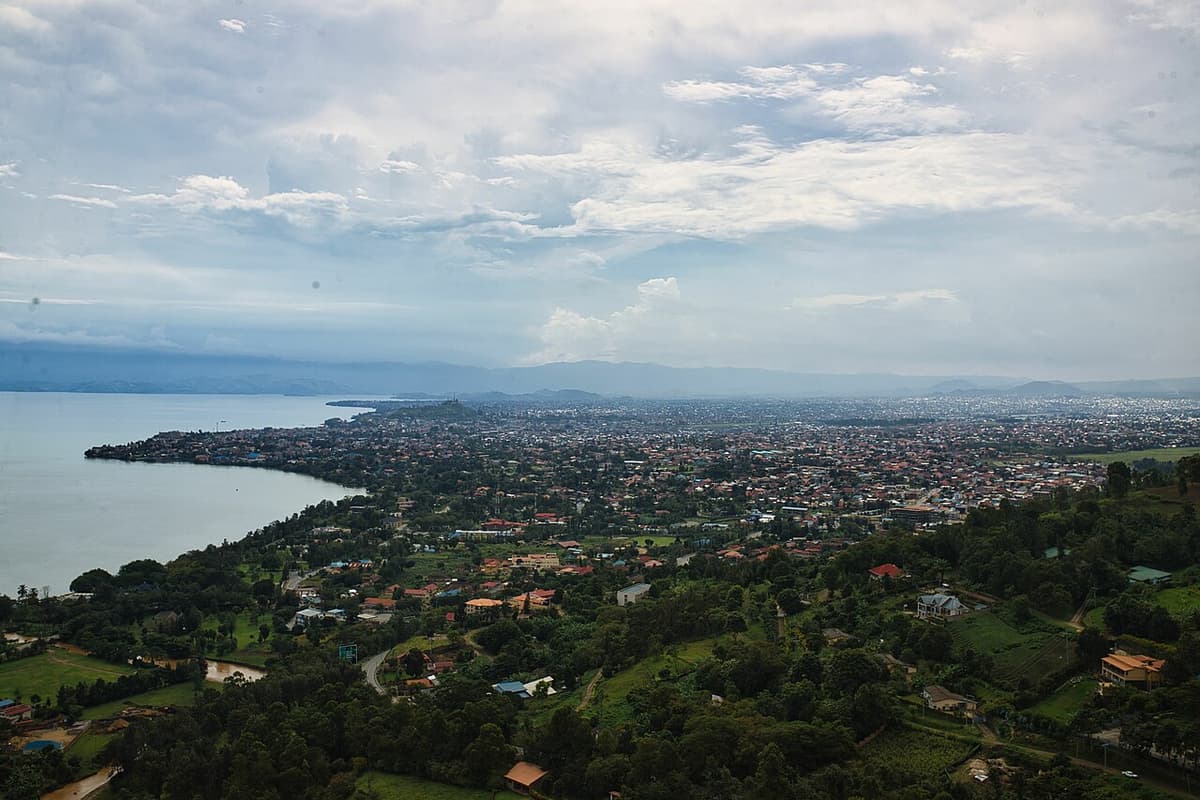
Walikale Villages Empty As Fighting Spreads In Eastern DRC
Goma, August 31, 2026 - Multiple villages in the Waloa Loanda groupement of Walikale were emptied as fighting between the army and AFC/M23 forces spread from nearby Masisi and Kalehe zones, deepening humanitarian…
By Amina Kabasele - 3 min read
Security - 31 August 2026
Chad Blocks Desert Routes Used By Sudanese Armed Groups
Khartoum, August 31, 2026 - Chad stepped up military deployments along the Sudan border and blocked desert routes used to move weapons and fighters, tightening a frontier that has become increasingly linked to Sudan's…
By Amina Kabasele - 2 min read