
Security - 5 July 2026
Sudan Finance Minister Rejects Claims of Foreign Deposit Behind Currency Stabilization
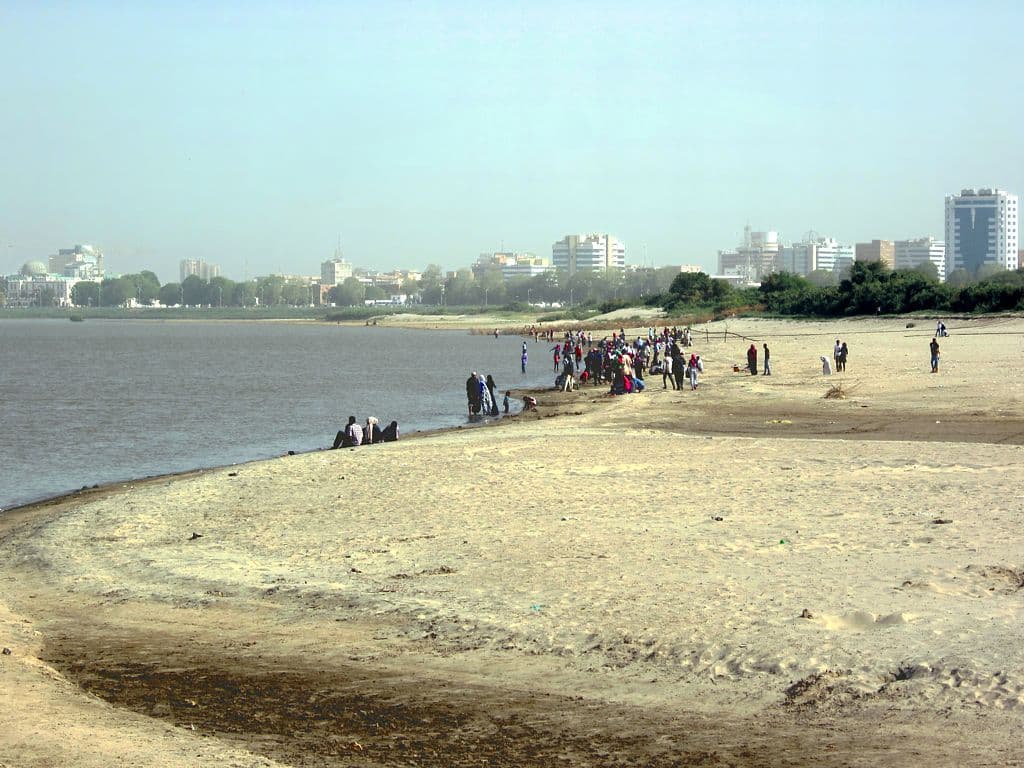
KHARTOUM, July 5, 2026 - Sudan’s Finance and Economic Planning Minister Gibril Ibrahim has denied reports that a foreign financial deposit was responsible for strengthening the Sudanese pound, saying government measures and economic policies helped stabilize the exchange rate against major foreign currencies.
The minister said Sudan continues to face severe economic challenges caused by the ongoing war, which has disrupted production, increased demand for foreign currency, and placed additional pressure on citizens. He acknowledged the hardships faced by the population but said authorities were working to improve living conditions and develop solutions to support the economy.
Ibrahim said he had previously expected the US dollar to rise to around 10,000 Sudanese pounds in 2025 due to production shutdowns and economic disruptions. However, he argued that government interventions helped contain the currency’s decline and predicted further stabilization of the exchange rate on the parallel market.
Despite the improvement in the exchange rate, the minister admitted that lower currency rates have not yet translated into reduced prices for consumers.
He said the long-term solution to Sudan’s economic crisis depends on increasing domestic production and adding value to local goods rather than exporting raw materials.
Ibrahim also revealed that the government spends approximately 50 billion Sudanese pounds each month to support the electricity sector, covering maintenance, operations, and infrastructure rehabilitation in areas affected by the conflict.
On foreign relations, the minister said securing international support during wartime remains difficult, stressing that alliances are built around shared interests. He added that strengthening state resources and financing the war effort remain key priorities, describing the economic pressure facing Sudan as part of efforts to weaken the country’s financial capacity.
The minister noted that the conflict has forced the government to reduce public sector salaries significantly as resources are redirected toward military and security needs. He also said the return of government operations to Khartoum required major investments to restore water, electricity, and other essential services.
Sudan’s economy continues to suffer from the effects of war, rising defence spending, increased imports, and declining exports. Recent trade data showed a widening imbalance, with exports estimated at around $2.64 billion compared with imports of approximately $6.49 billion, leaving the country with a trade deficit of nearly $3.86 billion.
Related reading
Security - 31 August 2026
DRC And Congo-Brazzaville Move To De-Escalate Congo River Border Clash
Kinshasa, August 31, 2026 - The DRC and Congo-Brazzaville moved to contain tensions after a fatal August 28 clash between FARDC troops and Congo-Brazzaville forces on the Congo River between Yumbi and Makotimpoko.
By Amina Kabasele - 3 min read

Security - 31 August 2026
Walikale Villages Empty As Fighting Spreads In Eastern DRC
Goma, August 31, 2026 - Multiple villages in the Waloa Loanda groupement of Walikale were emptied as fighting between the army and AFC/M23 forces spread from nearby Masisi and Kalehe zones, deepening humanitarian…
By Amina Kabasele - 3 min read
Security - 31 August 2026
Government Says Army Is Blocking AFC/M23 Expansion In Kivu
Kinshasa, August 31, 2026 - The government said the FARDC was systematically foiling AFC/M23 attempts to occupy additional territory in the Kivus, as fighting continued on multiple fronts.
By Amina Kabasele - 3 min read