
Sécurité - 5 juillet 2026
Le ministre soudanais des Finances rejette les allégations de dépôt étranger derrière la stabilisation monétaire
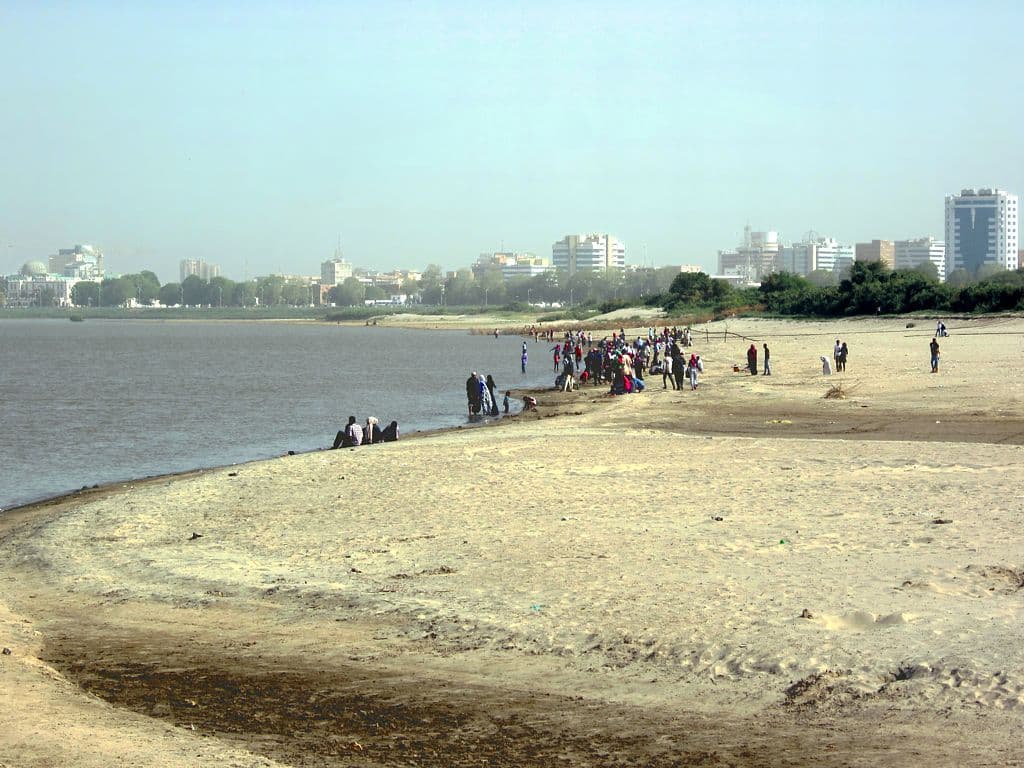
KHARTOUM, le 5 juillet 2026 - Le ministre soudanais des Finances et de la Planification économique, Gibril Ibrahim, a démenti les informations selon lesquelles un dépôt financier étranger était responsable du renforcement de la livre soudanaise, affirmant que les mesures gouvernementales et les politiques économiques avaient contribué à stabiliser le taux de change par rapport aux principales devises étrangères.
Le ministre a déclaré que le Soudan continue de faire face à de graves défis économiques causés par la guerre en cours, qui a perturbé la production, accru la demande de devises étrangères et exercé une pression supplémentaire sur les citoyens. Il a reconnu les difficultés rencontrées par la population, mais a déclaré que les autorités s'efforçaient d'améliorer les conditions de vie et de développer des solutions pour soutenir l'économie.
Ibrahim a déclaré qu'il s'attendait auparavant à ce que le dollar américain s'élève à environ 10 000 livres soudanaises en 2025 en raison des arrêts de production et des perturbations économiques. Cependant, il a fait valoir que les interventions gouvernementales ont contribué à contenir le déclin de la monnaie et ont prédit une nouvelle stabilisation du taux de change sur le marché parallèle.
Malgré l'amélioration du taux de change, le ministre a admis que la baisse des taux de change ne s'est pas encore traduite par une baisse des prix pour les consommateurs.
Il a déclaré que la solution à long terme à la crise économique du Soudan dépend de l’augmentation de la production nationale et de la valeur ajoutée des produits locaux plutôt que de l’exportation de matières premières.
Ibrahim a également révélé que le gouvernement dépense environ 50 milliards de livres soudanaises chaque mois pour soutenir le secteur de l'électricité, couvrant la maintenance, les opérations et la réhabilitation des infrastructures dans les zones touchées par le conflit.
Concernant les relations étrangères, le ministre a déclaré qu'il restait difficile d'obtenir un soutien international en temps de guerre, soulignant que les alliances se construisent autour d'intérêts communs. Il a ajouté que le renforcement des ressources de l’État et le financement de l’effort de guerre restent des priorités clés, décrivant la pression économique à laquelle le Soudan est confronté dans le cadre des efforts visant à affaiblir la capacité financière du pays.
Le ministre a noté que le conflit a contraint le gouvernement à réduire considérablement les salaires du secteur public, les ressources étant réorientées vers les besoins militaires et de sécurité. Il a également déclaré que le retour des opérations gouvernementales à Khartoum nécessitait des investissements majeurs pour rétablir l'eau, l'électricité et d'autres services essentiels.
L’économie soudanaise continue de souffrir des effets de la guerre, de l’augmentation des dépenses militaires, de l’augmentation des importations et du déclin des exportations. Les données commerciales récentes ont montré un déséquilibre croissant, avec des exportations estimées à environ 2,64 milliards de dollars, contre des importations d'environ 6,49 milliards de dollars, laissant le pays avec un déficit commercial de près de 3,86 milliards de dollars.
À lire aussi
Sécurité - 31 août 2026
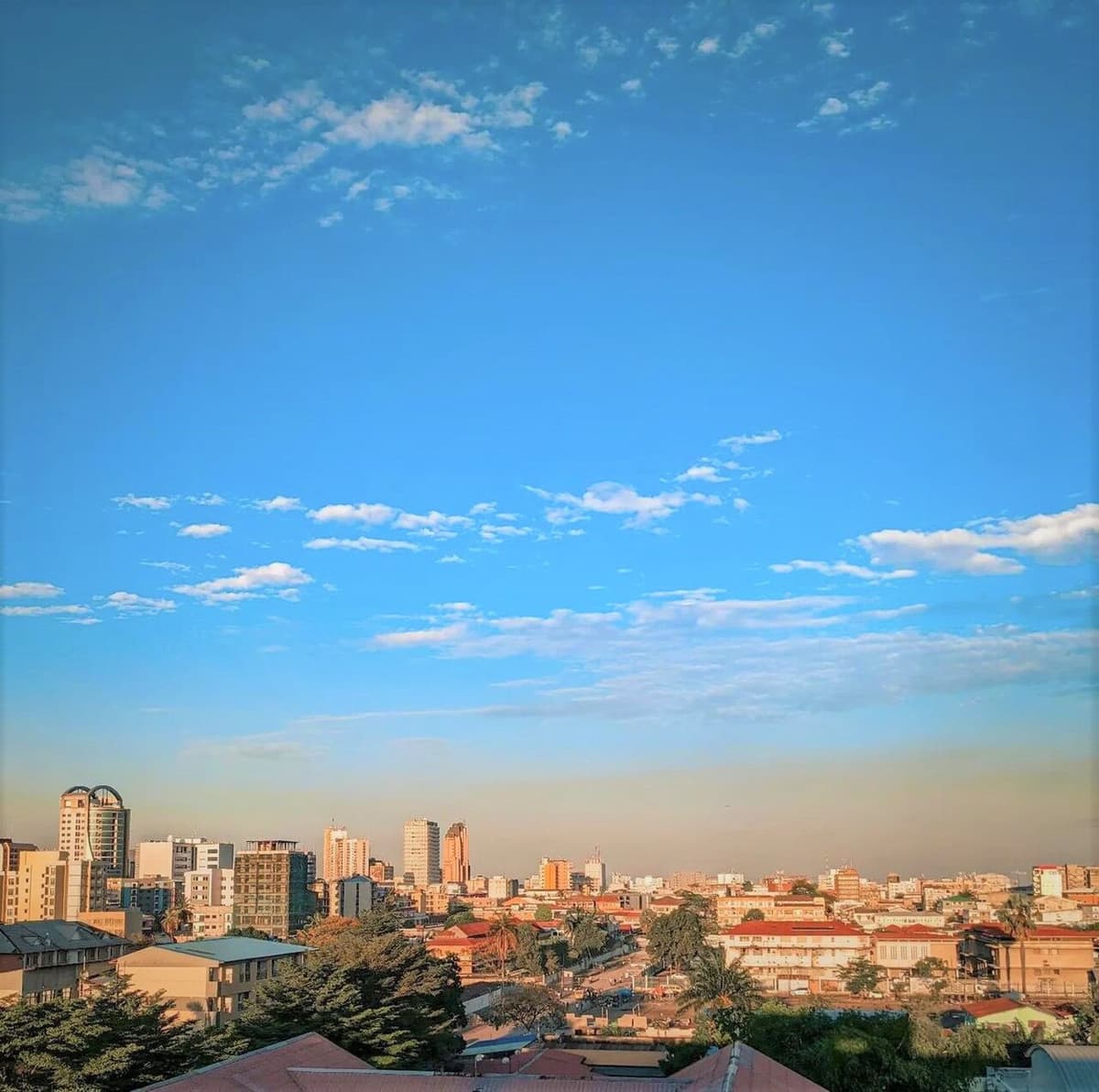
RDC et Congo-Brazzaville s'efforcent de désamorcer le conflit frontalier sur le fleuve Congo
Kinshasa, le 31 août 2026 - La RDC et le Congo-Brazzaville ont agi pour contenir les tensions après un affrontement mortel du 28 août entre les troupes des FARDC et les forces du Congo-Brazzaville sur le fleuve Congo…
Par Amina Kabasele - 3 min de lecture
Sécurité - 31 août 2026
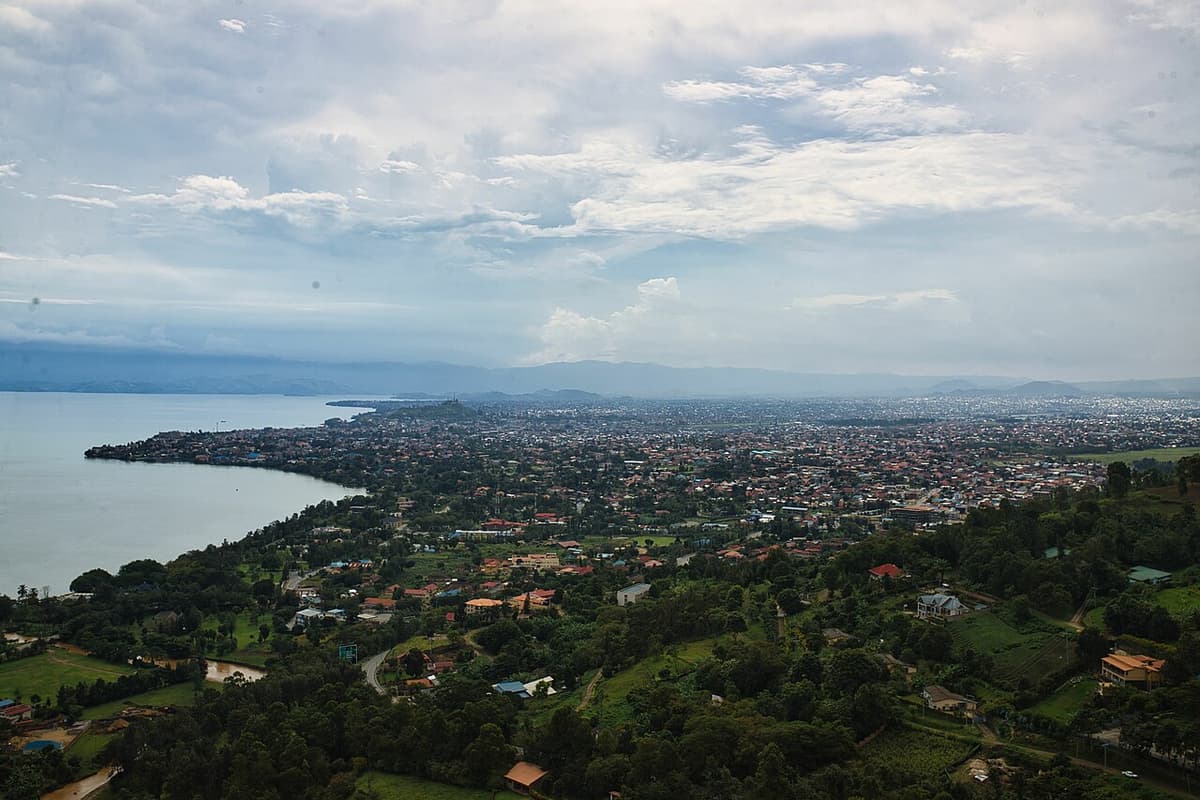
Des villages de Walikale vidés alors que les combats se propagent dans l'est de la RDC
Goma, le 31 août 2026 - Plusieurs villages du groupement Waloa Loanda de Walikale ont été vidés alors que les combats entre l'armée et les forces AFC/M23 se sont étendus des zones voisines de Masisi et Kalehe…
Par Amina Kabasele - 3 min de lecture
Sécurité - 31 août 2026
Le gouvernement affirme que l'armée bloque l'expansion de l'AFC/M23 au Kivu
Kinshasa, le 31 août 2026 - Le gouvernement a déclaré que les FARDC faisaient systématiquement échouer les tentatives de l'AFC/M23 d'occuper de nouveaux territoires dans les Kivus, alors que les combats se poursuivaient…
Par Amina Kabasele - 3 min de lecture