

Security - 8 March 2026
Rwanda’s Warnings Ignored Before Uvira Battle
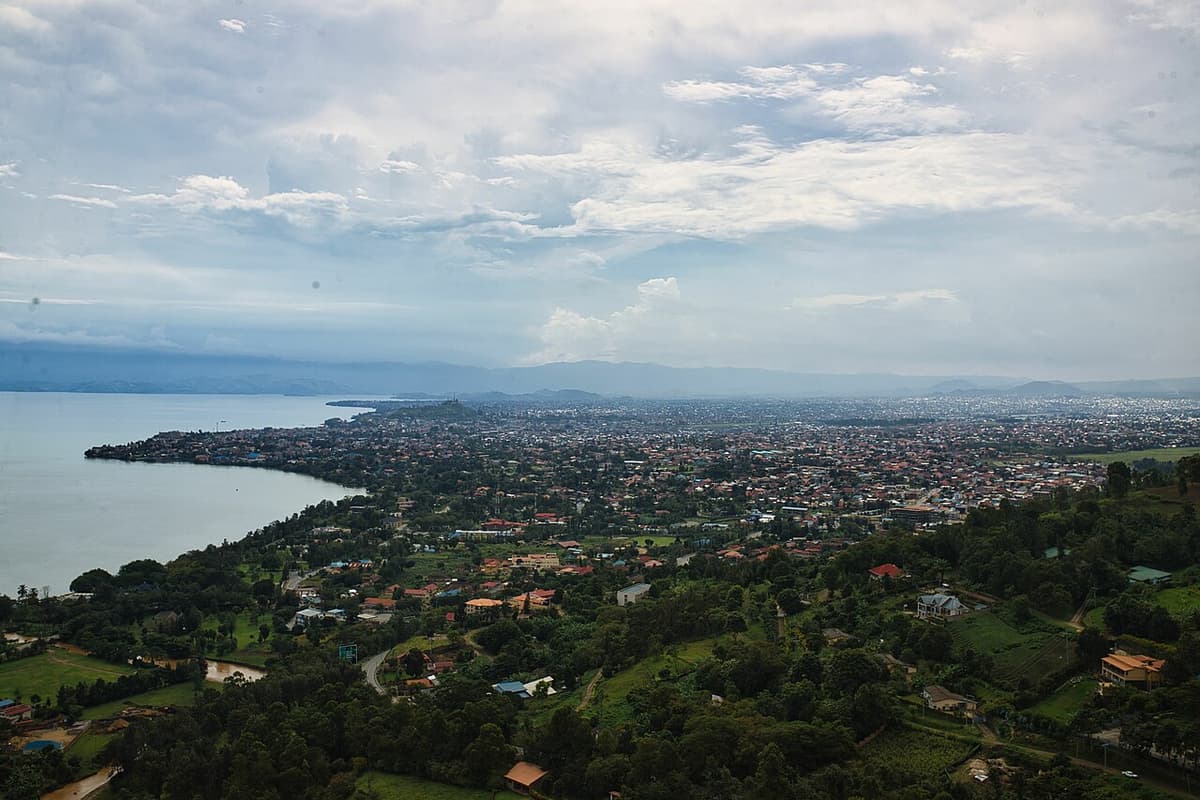
Kigali, March 8, 2026 - President Paul Kagame said that Rwanda had repeatedly warned the international community about escalating violence in Uvira, South Kivu, prior to the AFC/M23 coalition capturing parts of the territory in the Democratic Republic of Congo.
In a meeting with his counterparts in Rwanda on March 6, 2026, Kagame explained that the Washington peace talks had created a temporary lull and established a framework for resolving security concerns. Despite this, clashes continued between the DRC government, Burundian troops, FDLR, and Wazalendo armed groups, which blocked civilian access and launched ground and air attacks in South Kivu.
“Despite the ongoing talks, forces continued to clash in eastern DRC. Thousands of Burundian troops and pro-government forces remained in line and launched attacks, blocking civilians and striking relentlessly,” Kagame said.
The President stated that these ongoing attacks prompted the AFC/M23 to act against government forces to stop the assaults and reopen civilian access. On December 9, 2025, AFC/M23 fighters captured the town of Uvira, forcing DRC, Burundian, FDLR, and Wazalendo forces to retreat to Bujumbura, Fizi territory, and Kalemie in Tanganyika province.
“That’s what happened in Uvira. Rwanda had been sounding the alarm for months,” Kagame emphasized, noting that the United States and European countries condemned Rwanda, accusing it of violating the ceasefire. Kagame added that Rwanda had long been burdened by responsibilities that were not its own.
Conclusion
The period from February 22 to March 8, 2026, was marked by a complex interplay of diplomatic tensions, regional security challenges, and domestic progress for Rwanda. The ongoing conflict in eastern DRC-underscored by the death of AFC/M23 spokesperson Col. Willy Ngoma and heated exchanges at the United Nations-continues to strain regional relations, highlighting the persistent need for adherence to the Washington Peace Accords and inclusive dialogue.
Despite these external pressures, Rwanda has maintained a firm commitment to long-term development and modernization. Key initiatives include the national electronic ID program, the strategic pursuit of nuclear energy to strengthen electricity supply, and the integration of thousands of refugee children into the national education system, all reflecting a focus on social and economic stability.
In addition, Rwanda has strengthened international partnerships, notably with Singapore and India, and expanded trade licenses for domestic industries under Pan-African standards, positioning the country as an emerging hub for innovation and regional commerce.
Looking ahead, the successful implementation of the 7th East African Community (EAC) Development Plan and the resolution of cross-border challenges, particularly with Burundi, will be essential to fostering deeper regional integration and ensuring sustainable peace in the Great Lakes region.
In conclusion, Rwanda’s strategic initiatives and international engagement demonstrate resilience and forward-looking governance, balancing domestic progress with regional stability in a challenging geopolitical environment.
By Jeff Buleli
Related reading

Security - 31 August 2026
DRC And Congo-Brazzaville Move To De-Escalate Congo River Border Clash
Kinshasa, August 31, 2026 - The DRC and Congo-Brazzaville moved to contain tensions after a fatal August 28 clash between FARDC troops and Congo-Brazzaville forces on the Congo River between Yumbi and Makotimpoko.
By Amina Kabasele - 3 min read
Security - 31 August 2026
Walikale Villages Empty As Fighting Spreads In Eastern DRC
Goma, August 31, 2026 - Multiple villages in the Waloa Loanda groupement of Walikale were emptied as fighting between the army and AFC/M23 forces spread from nearby Masisi and Kalehe zones, deepening humanitarian…
By Amina Kabasele - 3 min read
Security - 31 August 2026
Government Says Army Is Blocking AFC/M23 Expansion In Kivu
Kinshasa, August 31, 2026 - The government said the FARDC was systematically foiling AFC/M23 attempts to occupy additional territory in the Kivus, as fighting continued on multiple fronts.
By Amina Kabasele - 3 min read