
Sécurité - 8 mars 2026
Les avertissements du Rwanda ignorés avant la bataille d’Uvira
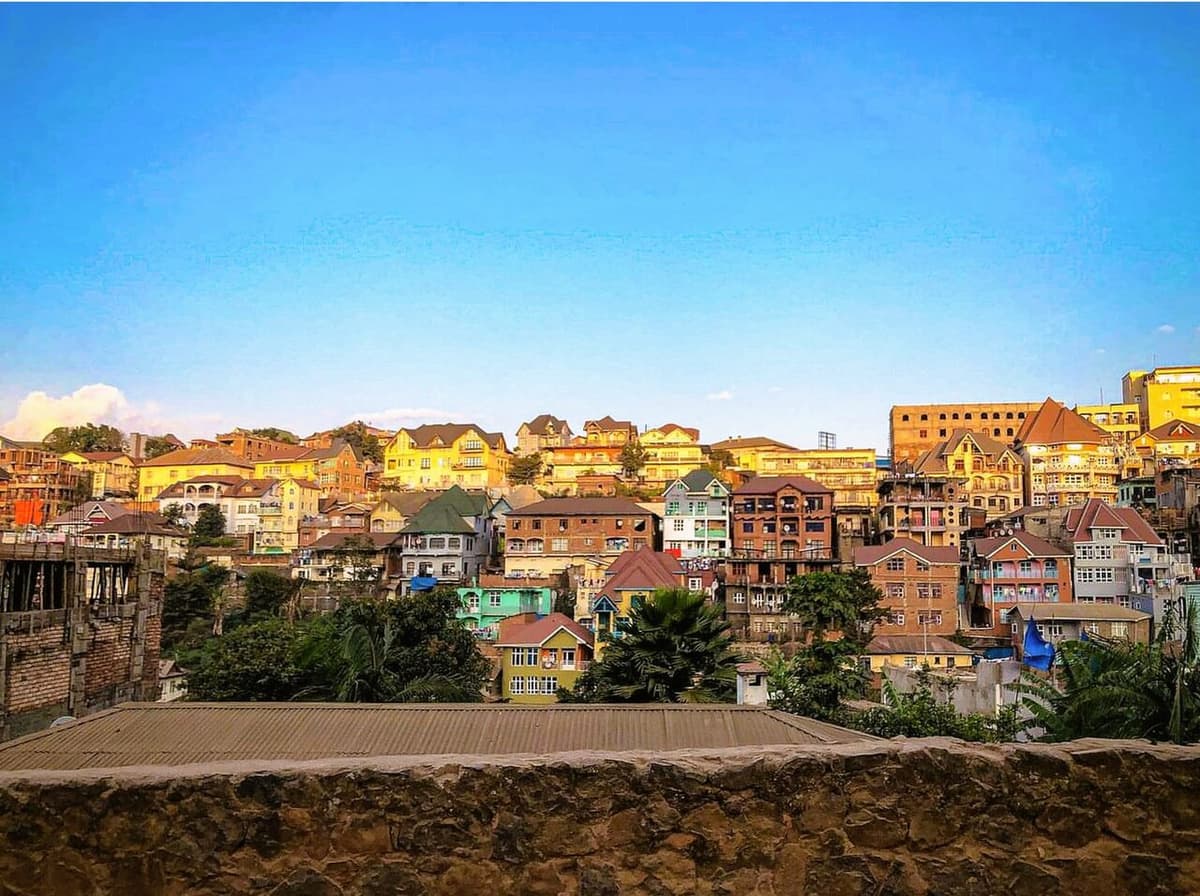
Kigali, le 8 mars 2026 - Le président Paul Kagame a déclaré que le Rwanda avait mis en garde à plusieurs reprises la communauté internationale contre l'escalade de la violence à Uvira, au Sud-Kivu, avant que la coalition AFC/M23 ne s'empare de certaines parties du territoire de la République démocratique du Congo.
Lors d’une réunion avec ses homologues au Rwanda le 6 mars 2026, Kagame a expliqué que les pourparlers de paix de Washington avaient créé une accalmie temporaire et établi un cadre pour résoudre les problèmes de sécurité. Malgré cela, les affrontements se sont poursuivis entre le gouvernement de la RDC, les troupes burundaises, les FDLR et les groupes armés de Wazalendo, qui ont bloqué l'accès des civils et lancé des attaques terrestres et aériennes au Sud-Kivu.
"Malgré les pourparlers en cours, les affrontements ont continué dans l'est de la RDC. Des milliers de soldats burundais et de forces progouvernementales sont restés en ligne et ont lancé des attaques, bloquant les civils et frappant sans relâche", a déclaré Kagame.
Le Président a déclaré que ces attaques en cours ont incité l'AFC/M23 à agir contre les forces gouvernementales pour mettre fin aux attaques et rouvrir l'accès aux civils. Le 9 décembre 2025, les combattants de l'AFC/M23 ont capturé la ville d'Uvira, obligeant les forces congolaises, burundaises, FDLR et Wazalendo à se retirer à Bujumbura, dans le territoire de Fizi, et à Kalemie dans la province du Tanganyika.
"C'est ce qui s'est passé à Uvira. Le Rwanda tirait la sonnette d'alarme depuis des mois", a souligné Kagame, soulignant que les États-Unis et les pays européens ont condamné le Rwanda, l'accusant de violer le cessez-le-feu. Kagame a ajouté que le Rwanda était depuis longtemps accablé par des responsabilités qui n'étaient pas les siennes.
Conclusion
La période du 22 février au 8 mars 2026 a été marquée par une interaction complexe de tensions diplomatiques, de défis en matière de sécurité régionale et de progrès intérieurs pour le Rwanda. Le conflit en cours dans l'est de la RDC, souligné par la mort du porte-parole de l'AFC/M23, le colonel Willy Ngoma et par des échanges houleux aux Nations Unies, continue de mettre à rude épreuve les relations régionales, soulignant la nécessité persistante d'adhérer aux accords de paix de Washington et d'un dialogue inclusif.
Malgré ces pressions extérieures, le Rwanda est resté fermement engagé en faveur du développement et de la modernisation à long terme. Les principales initiatives comprennent le programme national d'identification électronique, la poursuite stratégique de l'énergie nucléaire pour renforcer l'approvisionnement en électricité et l'intégration de milliers d'enfants réfugiés dans le système éducatif national, toutes reflétant l'accent mis sur la stabilité sociale et économique.
En outre, le Rwanda a renforcé ses partenariats internationaux, notamment avec Singapour et l'Inde, et étendu les licences commerciales pour les industries nationales selon les normes panafricaines, positionnant ainsi le pays comme une plaque tournante émergente pour l'innovation et le commerce régional.
À l’avenir, la mise en œuvre réussie du 7e Plan de développement de la Communauté d’Afrique de l’Est (CAE) et la résolution des défis transfrontaliers, en particulier avec le Burundi, seront essentielles pour favoriser une intégration régionale plus approfondie et garantir une paix durable dans la région des Grands Lacs.
En conclusion, les initiatives stratégiques et l’engagement international du Rwanda font preuve de résilience et d’une gouvernance tournée vers l’avenir, équilibrant les progrès nationaux avec la stabilité régionale dans un environnement géopolitique difficile.
Par Jeff Buleli
À lire aussi
Sécurité - 31 août 2026
RDC et Congo-Brazzaville s'efforcent de désamorcer le conflit frontalier sur le fleuve Congo
Kinshasa, le 31 août 2026 - La RDC et le Congo-Brazzaville ont agi pour contenir les tensions après un affrontement mortel du 28 août entre les troupes des FARDC et les forces du Congo-Brazzaville sur le fleuve Congo…
Par Amina Kabasele - 3 min de lecture
Sécurité - 31 août 2026
Des villages de Walikale vidés alors que les combats se propagent dans l'est de la RDC
Goma, le 31 août 2026 - Plusieurs villages du groupement Waloa Loanda de Walikale ont été vidés alors que les combats entre l'armée et les forces AFC/M23 se sont étendus des zones voisines de Masisi et Kalehe…
Par Amina Kabasele - 3 min de lecture
Sécurité - 31 août 2026
Le gouvernement affirme que l'armée bloque l'expansion de l'AFC/M23 au Kivu
Kinshasa, le 31 août 2026 - Le gouvernement a déclaré que les FARDC faisaient systématiquement échouer les tentatives de l'AFC/M23 d'occuper de nouveaux territoires dans les Kivus, alors que les combats se poursuivaient…
Par Amina Kabasele - 3 min de lecture