
Security - 4 April 2026
RSF Report Warns of Mass Exodus of Journalists From Eastern DRC Amid Rising Insecurity
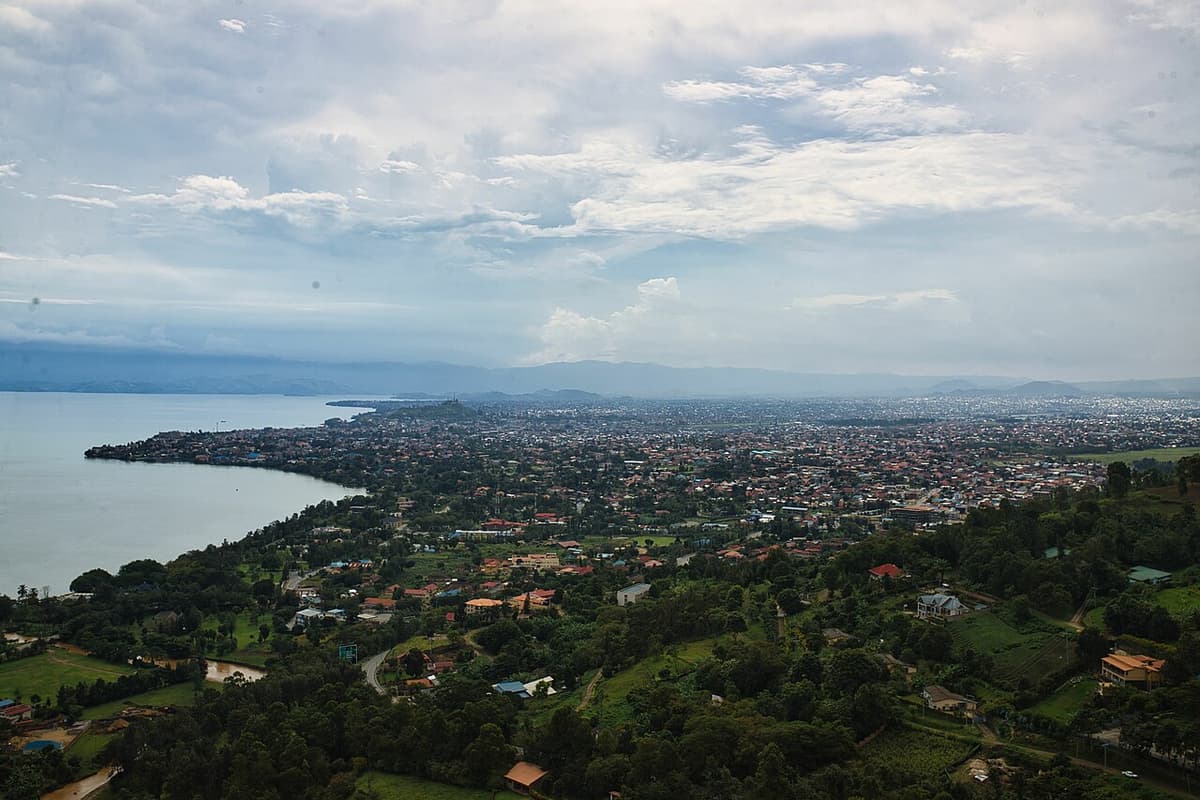
Kinshasa, April 4, 2026 - KINSHASA / EASTERN DRC March 27, 2026 - A growing number of journalists are fleeing the eastern Democratic Republic of Congo due to escalating threats, violence, and deteriorating working conditions linked to ongoing armed conflict, according to a Reporters Without Borders (RSF) report reviewed under embargo.
The report, drawing on testimony from the National Union of the Congolese Press (UNPC), indicates that dozens of media professionals have been displaced from conflict-affected provinces, particularly North Kivu and South Kivu. While some have relocated within the country, others have sought refuge in neighboring states including Burundi, Uganda, and Rwanda.
RSF describes a pattern of dangerous displacement journeys, with journalists crossing areas controlled by armed groups or security forces. Several report having faced threats, arrests, interrogations, or temporary detention linked to their professional activities.
Conditions in host countries remain precarious. Some Congolese journalists in exile reportedly face detention in transit centers or administrative uncertainty before release, while others struggle with limited resources and lack of legal status.
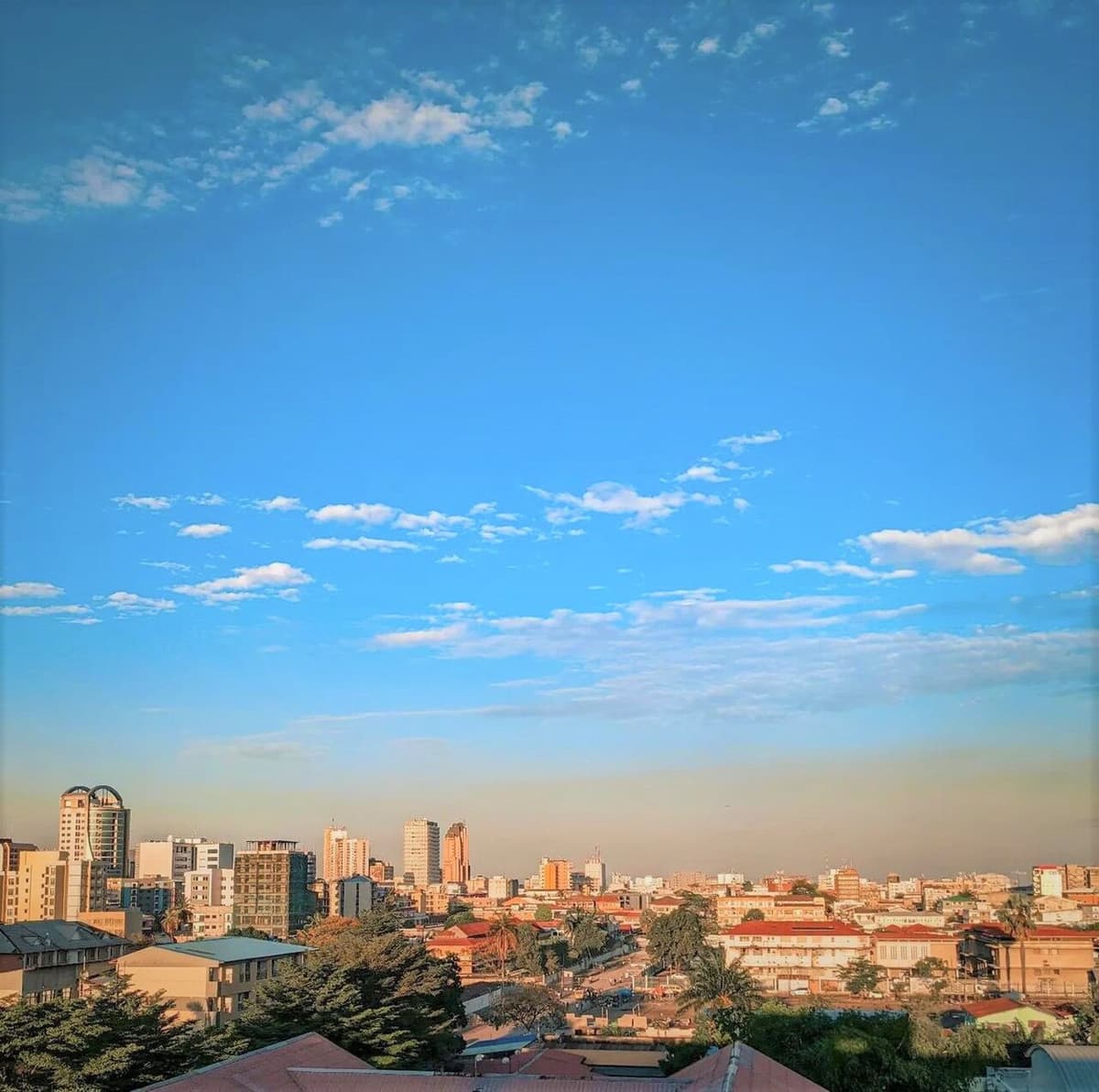
The report notes that relocation to Kinshasa is not always a viable alternative, citing high living costs, limited professional opportunities, and unstable income conditions that make continued journalism difficult for displaced reporters.
Multiple testimonies also highlight sustained pressure on media workers, including accusations of collaboration with armed groups and threats following the publication or broadcast of sensitive reporting. In some cases, journalists say they were compelled to relay information dictated by actors in the conflict.
Several journalists interviewed in the report say they have been forced to abandon the profession entirely due to insecurity. One testimony cited by RSF describes a journalist leaving Rutshuru after repeated threats and eventually giving up reporting work.
The report also raises concerns about cross-border risks, noting that exiled journalists may continue to face surveillance, detention, or legal harassment in host countries. It references cases in the region as examples of broader patterns affecting press freedom in conflict contexts.
RSF concludes that the ongoing displacement of journalists is severely undermining access to independent reporting from eastern Congo and calls for stronger protections for media workers both within the country and across borders.
Related reading
Security - 31 August 2026
DRC And Congo-Brazzaville Move To De-Escalate Congo River Border Clash
Kinshasa, August 31, 2026 - The DRC and Congo-Brazzaville moved to contain tensions after a fatal August 28 clash between FARDC troops and Congo-Brazzaville forces on the Congo River between Yumbi and Makotimpoko.
By Amina Kabasele - 3 min read
Security - 31 August 2026
Walikale Villages Empty As Fighting Spreads In Eastern DRC
Goma, August 31, 2026 - Multiple villages in the Waloa Loanda groupement of Walikale were emptied as fighting between the army and AFC/M23 forces spread from nearby Masisi and Kalehe zones, deepening humanitarian…
By Amina Kabasele - 3 min read
Security - 31 August 2026
Government Says Army Is Blocking AFC/M23 Expansion In Kivu
Kinshasa, August 31, 2026 - The government said the FARDC was systematically foiling AFC/M23 attempts to occupy additional territory in the Kivus, as fighting continued on multiple fronts.
By Amina Kabasele - 3 min read