
Security - 8 March 2026
Paul Kagame Denounces Selective Pressure, Calls for Equal Accountability of All Parties
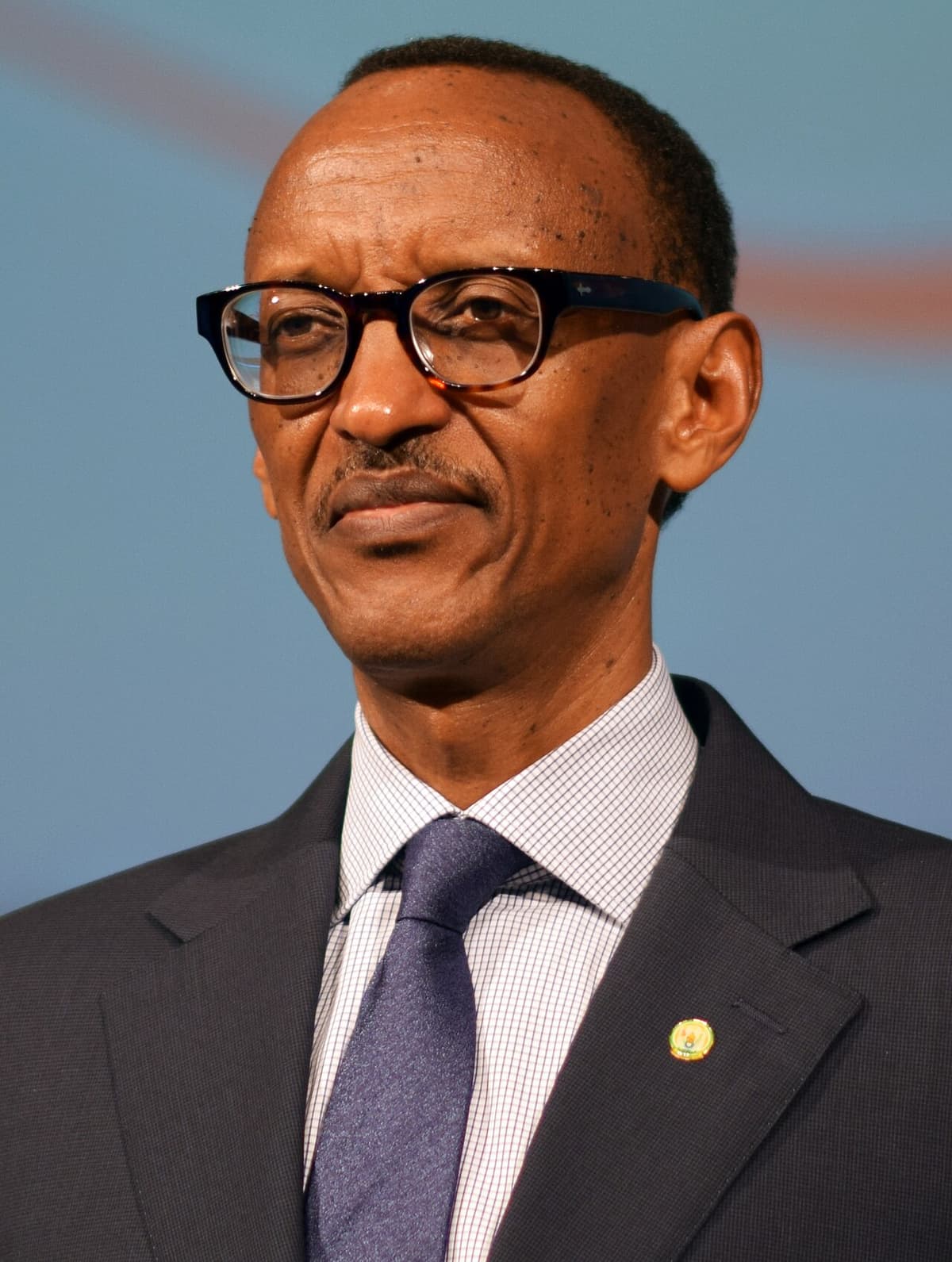
KIGALI, March 6, 2026 - Rwandan President Paul Kagame has rejected what he describes as selective international pressure on Rwanda over its alleged support for the AFC/M23 rebellion in eastern Democratic Republic of Congo (DRC), calling instead for equal scrutiny of all parties to the conflict.
Speaking at a dinner with ambassadors, diplomats, and representatives of international organizations accredited to Kigali, Kagame emphasized that the crisis in eastern DRC is long-standing and rooted in structural issues, including the persistent threat posed by the Forces Démocratiques de Libération du Rwanda (FDLR). He criticized Kinshasa’s view that the FDLR is a residual force, arguing the group continues to pose a significant threat to Rwanda and spreads its ideology to other armed factions in the region.
Kagame highlighted what he sees as a double standard in international expectations: while the Washington Agreements call for a ceasefire and security measures by all parties, he asserts that only Rwanda faces punitive measures and sanctions. He cited military operations and troop buildups by DRC and allied forces in eastern and western DRC, arguing that these actions undermine the ceasefire and shift the burden unfairly onto Rwanda.
“As expected, responsibility has been placed exclusively on Rwanda. This selective pressure has only encouraged the Congolese government and affiliated elements to resume military operations. We are asking for the same rigor to be demanded from all parties,” Kagame said.
The Rwandan President’s remarks come amid U.S. sanctions and visa restrictions targeting Rwandan officials accused of supporting the M23 rebellion. The U.S. State Department insists that all parties, including the DRC, must honor the Washington Agreements, including the neutralization of the FDLR and withdrawal of Rwandan forces from Congolese territory.
Kagame stressed that Rwanda’s actions are driven by legitimate security concerns, defending the country’s right to protect its borders from the continued presence of armed groups and their genocidal ideology. “The choice is clear: tolerate the FDLR and its growing network of militias advancing toward our border, or defend ourselves and bear the consequences. Any other country in our position would do the same,” he concluded.
This statement underscores ongoing tensions between Kinshasa and Kigali, as diplomatic pressure intensifies amid continued clashes in North Kivu and South Kivu provinces, prolonging instability in the Great Lakes region.
Related reading
Security - 31 August 2026
DRC And Congo-Brazzaville Move To De-Escalate Congo River Border Clash
Kinshasa, August 31, 2026 - The DRC and Congo-Brazzaville moved to contain tensions after a fatal August 28 clash between FARDC troops and Congo-Brazzaville forces on the Congo River between Yumbi and Makotimpoko.
By Amina Kabasele - 3 min read
Security - 31 August 2026
Walikale Villages Empty As Fighting Spreads In Eastern DRC
Goma, August 31, 2026 - Multiple villages in the Waloa Loanda groupement of Walikale were emptied as fighting between the army and AFC/M23 forces spread from nearby Masisi and Kalehe zones, deepening humanitarian…
By Amina Kabasele - 3 min read
Security - 31 August 2026
Government Says Army Is Blocking AFC/M23 Expansion In Kivu
Kinshasa, August 31, 2026 - The government said the FARDC was systematically foiling AFC/M23 attempts to occupy additional territory in the Kivus, as fighting continued on multiple fronts.
By Amina Kabasele - 3 min read