
Security - 4 April 2026
M23 Expands Regional Influence Through Armed Alliances From Ituri to South Kivu
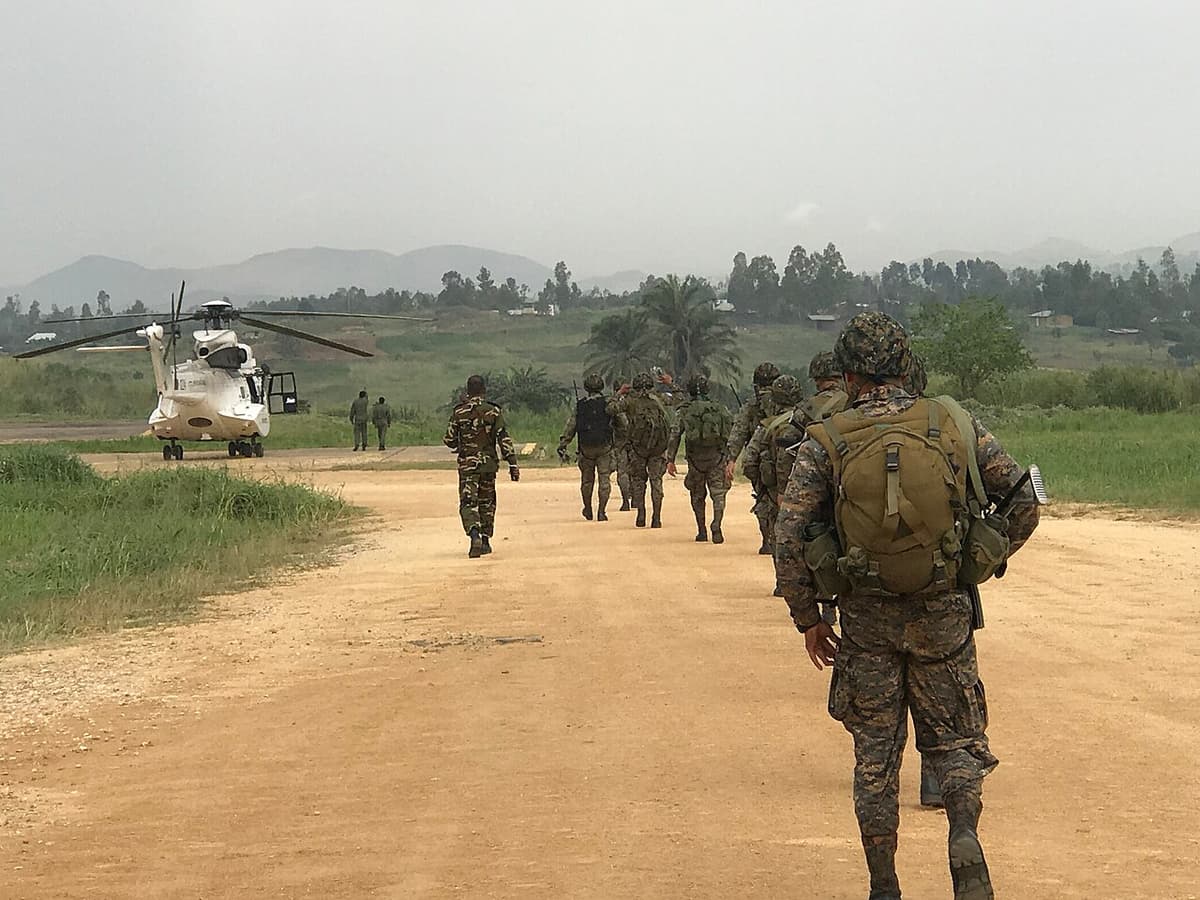
Kinshasa, April 5, 2026 - A new analysis indicates that the M23 movement has significantly expanded its influence beyond eastern North Kivu by building a structured network of armed alliances stretching from Ituri to South Kivu, reshaping the dynamics of armed conflict in eastern Democratic Republic of Congo.
The report highlights the emergence of two main alliance axes since 2023: one in the northeast in Ituri Province and another in the south in South Kivu Province, enabling the movement and its political wing, the AFC, to extend operational reach beyond territories under its direct control.
In Ituri, M23-linked networks are said to have developed ties with local armed groups including Self-Defense of Victimized Communities of Ituri (ADCVI), also known as Zaïre, and the Convention for the People’s Revolution led by Thomas Lubanga. These relationships are described as being reinforced through training exchanges, leadership contacts, and battlefield coordination, with hundreds of fighters reportedly integrated into training structures associated with M23 over recent years.
The report notes that these connections were facilitated by intermediary commanders with longstanding influence in the region, contributing to the gradual integration of fighters from Ituri into broader operational structures linked to M23 and AFC leadership.
In South Kivu, the alliance-building process has centered on relations with Twirwaneho, an armed group rooted in the Banyamulenge community. Unlike in Ituri, the partnership developed more slowly due to initial mistrust and political hesitations within local leadership, but gradually solidified amid rising insecurity and repeated attacks against civilian populations in highland areas.
The alignment was ultimately strengthened through internal community pressures and shifting perceptions of protection and survival, leading Twirwaneho to formally integrate into the M23-linked framework in 2024.
The report emphasizes the historical significance of this evolving network, noting that Banyamulenge armed groups had previously maintained distance from Rwanda-linked movements following earlier regional wars, but gradually shifted positions due to changing security realities and perceived abandonment by national authorities.
It further notes that ideological integration has deepened in recent years, with shared narratives and historical frameworks now incorporated into training programs within M23-linked structures, reflecting a broader effort to unify diverse armed factions under a common political and military vision.
Related reading
Security - 31 August 2026
DRC And Congo-Brazzaville Move To De-Escalate Congo River Border Clash
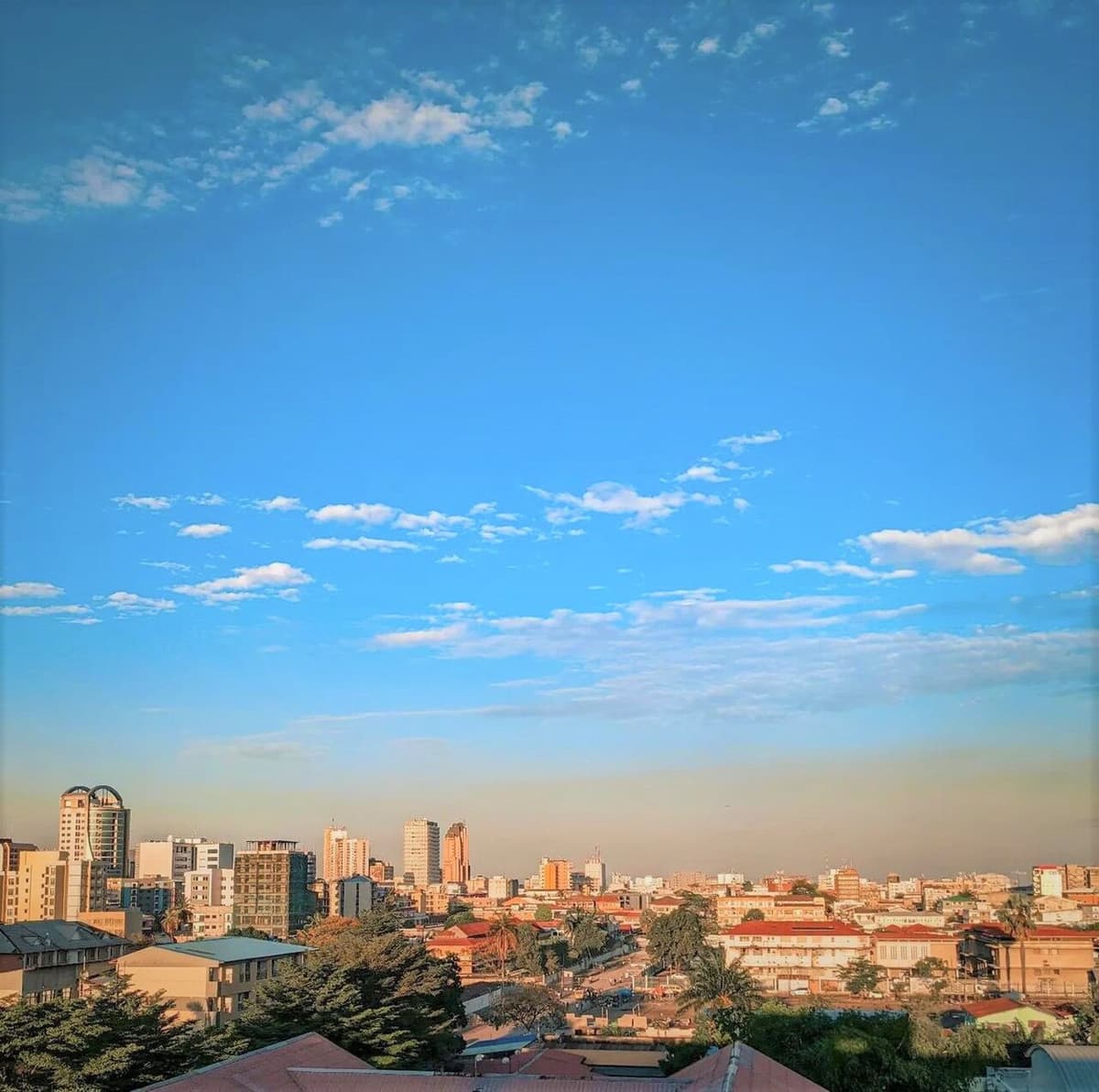
Kinshasa, August 31, 2026 - The DRC and Congo-Brazzaville moved to contain tensions after a fatal August 28 clash between FARDC troops and Congo-Brazzaville forces on the Congo River between Yumbi and Makotimpoko.
By Amina Kabasele - 3 min read
Security - 31 August 2026
Walikale Villages Empty As Fighting Spreads In Eastern DRC
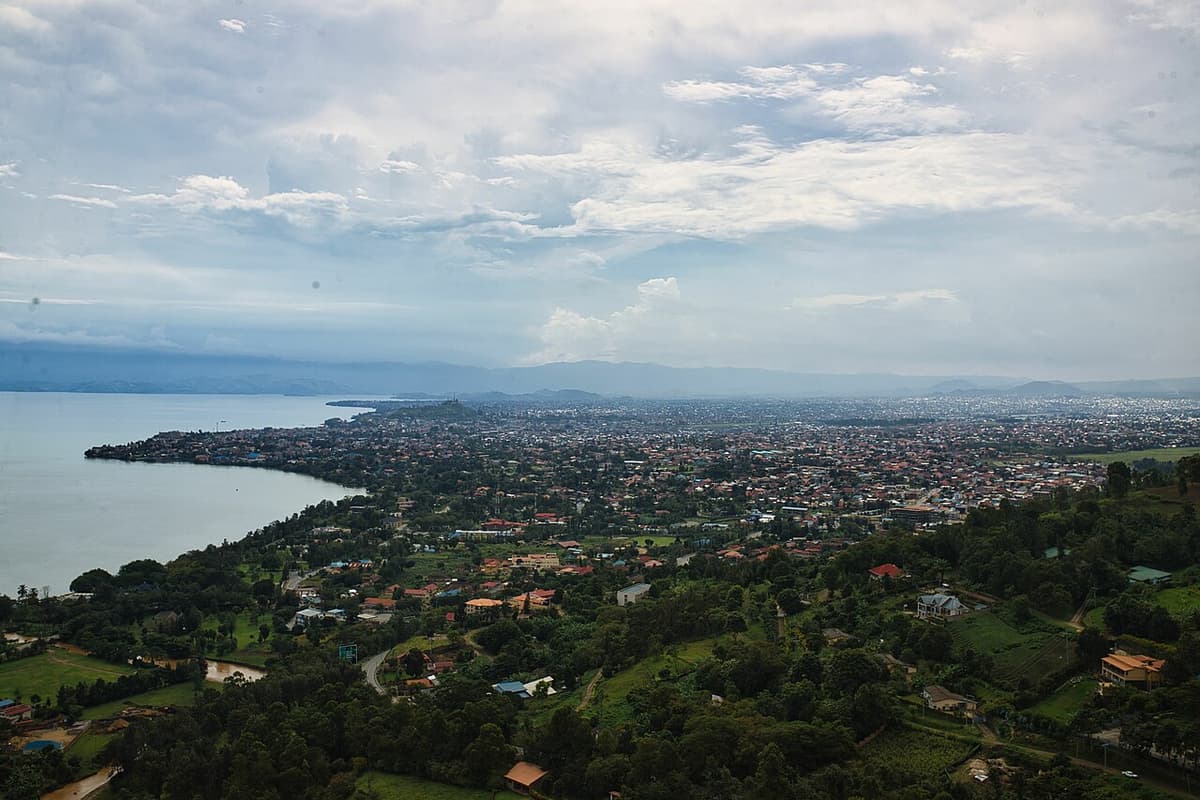
Goma, August 31, 2026 - Multiple villages in the Waloa Loanda groupement of Walikale were emptied as fighting between the army and AFC/M23 forces spread from nearby Masisi and Kalehe zones, deepening humanitarian…
By Amina Kabasele - 3 min read
Security - 31 August 2026
Government Says Army Is Blocking AFC/M23 Expansion In Kivu
Kinshasa, August 31, 2026 - The government said the FARDC was systematically foiling AFC/M23 attempts to occupy additional territory in the Kivus, as fighting continued on multiple fronts.
By Amina Kabasele - 3 min read