
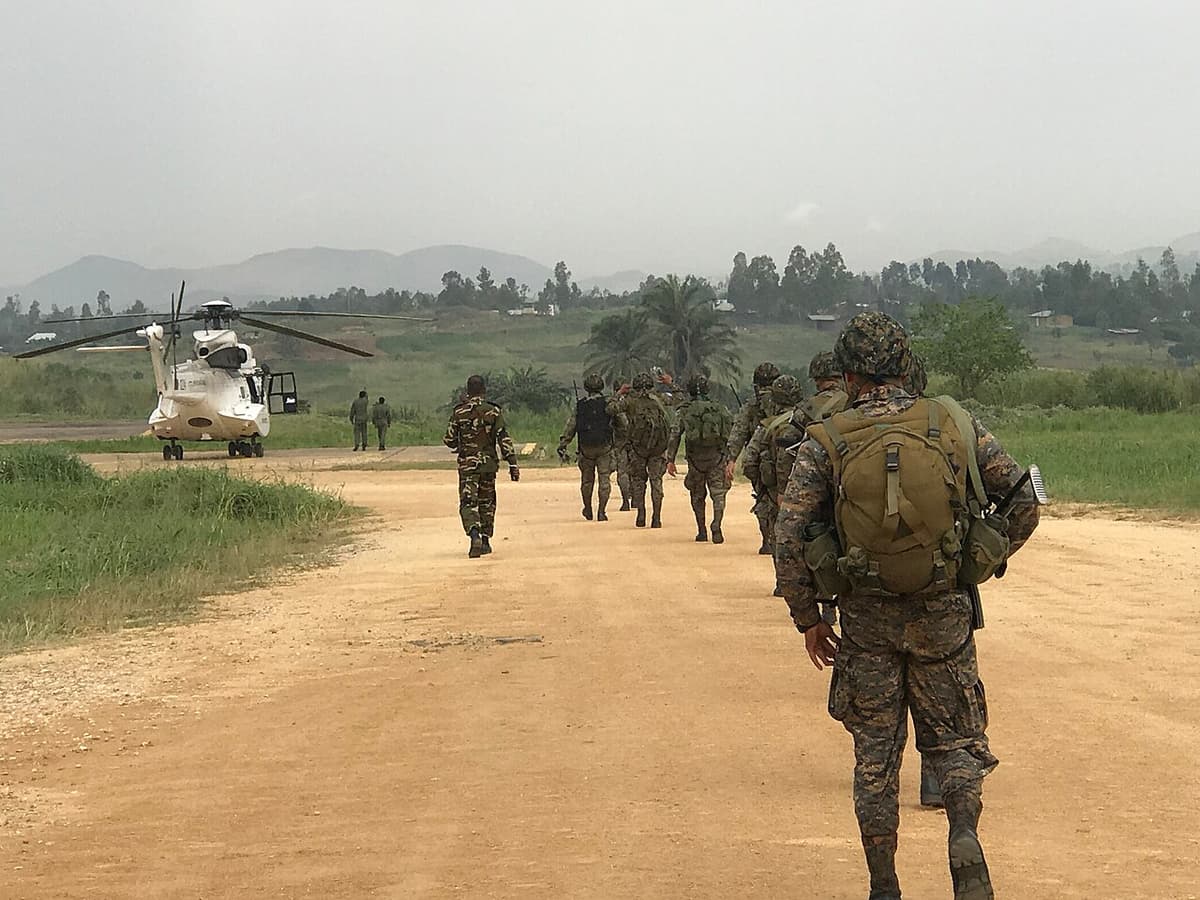
Sécurité - 4 avril 2026
Le M23 étend son influence régionale à travers des alliances armées, de l’Ituri au Sud-Kivu
Kinshasa, le 5 avril 2026 - Une nouvelle analyse indique que le mouvement M23 a considérablement étendu son influence au-delà de l'est du Nord-Kivu en construisant un réseau structuré d'alliances armées s'étendant de l'Ituri au Sud-Kivu, remodelant la dynamique du conflit armé dans l'est de la République démocratique du Congo.
Le rapport souligne l’émergence de deux axes principaux d’alliance depuis 2023 : un au nord-est dans la province de l’Ituri et un autre au sud dans la province du Sud-Kivu, permettant au mouvement et à son aile politique, l’AFC, d’étendre sa portée opérationnelle au-delà des territoires sous son contrôle direct.
En Ituri, les réseaux liés au M23 auraient développé des liens avec des groupes armés locaux, notamment l’Autodéfense des communautés victimes de l’Ituri (ADCVI), également connu sous le nom de Zaïre, et la Convention pour la révolution populaire dirigée par Thomas Lubanga. Ces relations sont décrites comme étant renforcées par les échanges de formation, les contacts entre dirigeants et la coordination sur le champ de bataille, avec des centaines de combattants qui auraient été intégrés dans des structures de formation associées au M23 au cours des dernières années.
Le rapport note que ces liens ont été facilités par des commandants intermédiaires ayant une influence de longue date dans la région, contribuant à l’intégration progressive des combattants de l’Ituri dans des structures opérationnelles plus larges liées aux dirigeants du M23 et de l’AFC.
Au Sud-Kivu, le processus de création d’alliances s’est concentré sur les relations avec Twirwaneho, un groupe armé enraciné dans la communauté Banyamulenge. Contrairement à l’Ituri, le partenariat s’est développé plus lentement en raison de la méfiance initiale et des hésitations politiques au sein des dirigeants locaux, mais s’est progressivement solidifié dans un contexte d’insécurité croissante et d’attaques répétées contre les populations civiles dans les zones de montagne.
L’alignement a finalement été renforcé par les pressions internes de la communauté et l’évolution des perceptions de protection et de survie, conduisant Twirwaneho à s’intégrer formellement dans le cadre lié au M23 en 2024.
Le rapport souligne l’importance historique de ce réseau en évolution, notant que les groupes armés Banyamulenge avaient auparavant maintenu leurs distances avec les mouvements liés au Rwanda à la suite de guerres régionales antérieures, mais ont progressivement changé de position en raison de l’évolution des réalités sécuritaires et du sentiment d’abandon de la part des autorités nationales.
Il note en outre que l’intégration idéologique s’est approfondie ces dernières années, avec des récits communs et des cadres historiques désormais intégrés dans les programmes de formation au sein des structures liées au M23, reflétant un effort plus large visant à unifier les diverses factions armées sous une vision politique et militaire commune.
À lire aussi
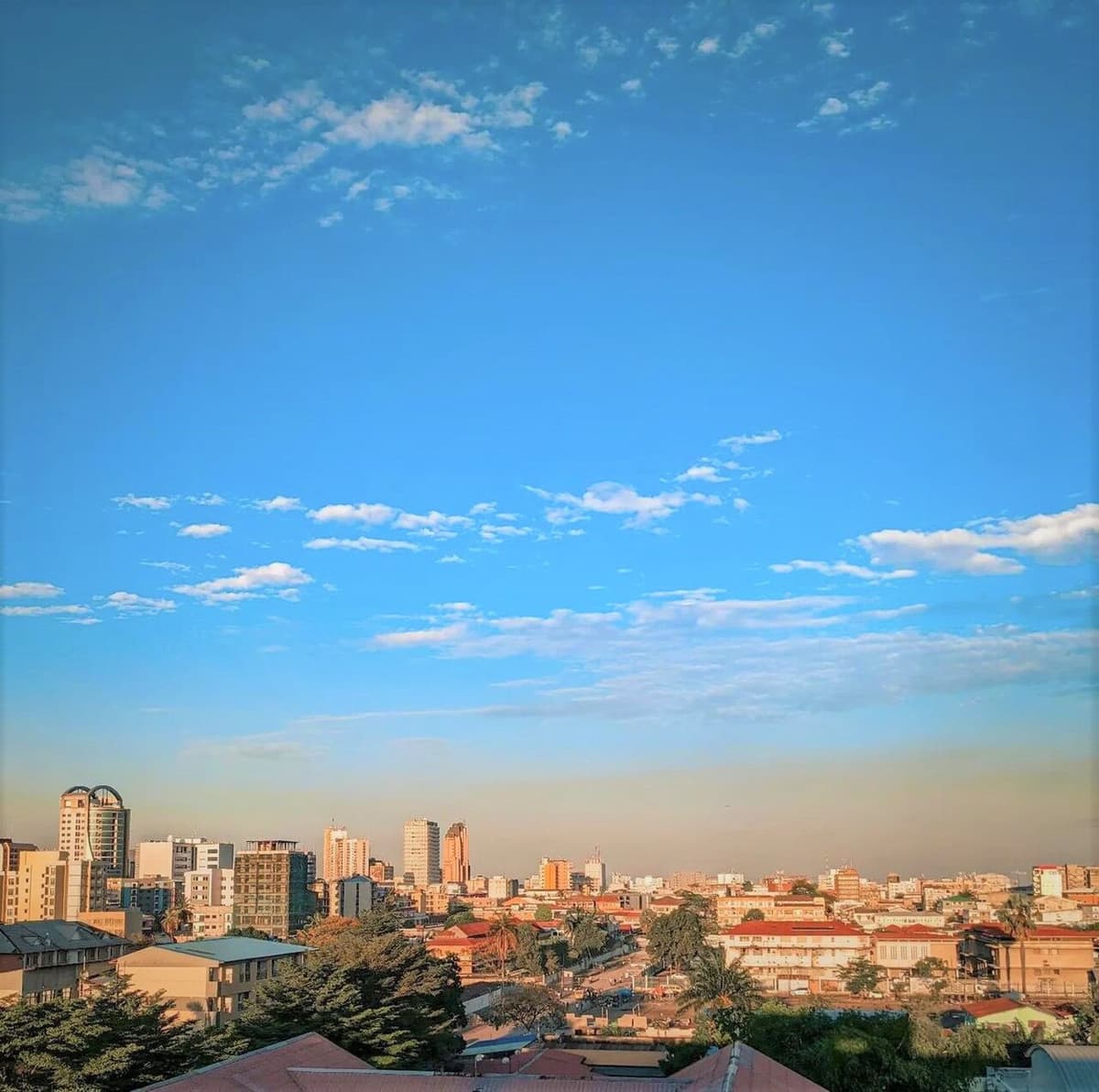
Sécurité - 31 août 2026
RDC et Congo-Brazzaville s'efforcent de désamorcer le conflit frontalier sur le fleuve Congo
Kinshasa, le 31 août 2026 - La RDC et le Congo-Brazzaville ont agi pour contenir les tensions après un affrontement mortel du 28 août entre les troupes des FARDC et les forces du Congo-Brazzaville sur le fleuve Congo…
Par Amina Kabasele - 3 min de lecture
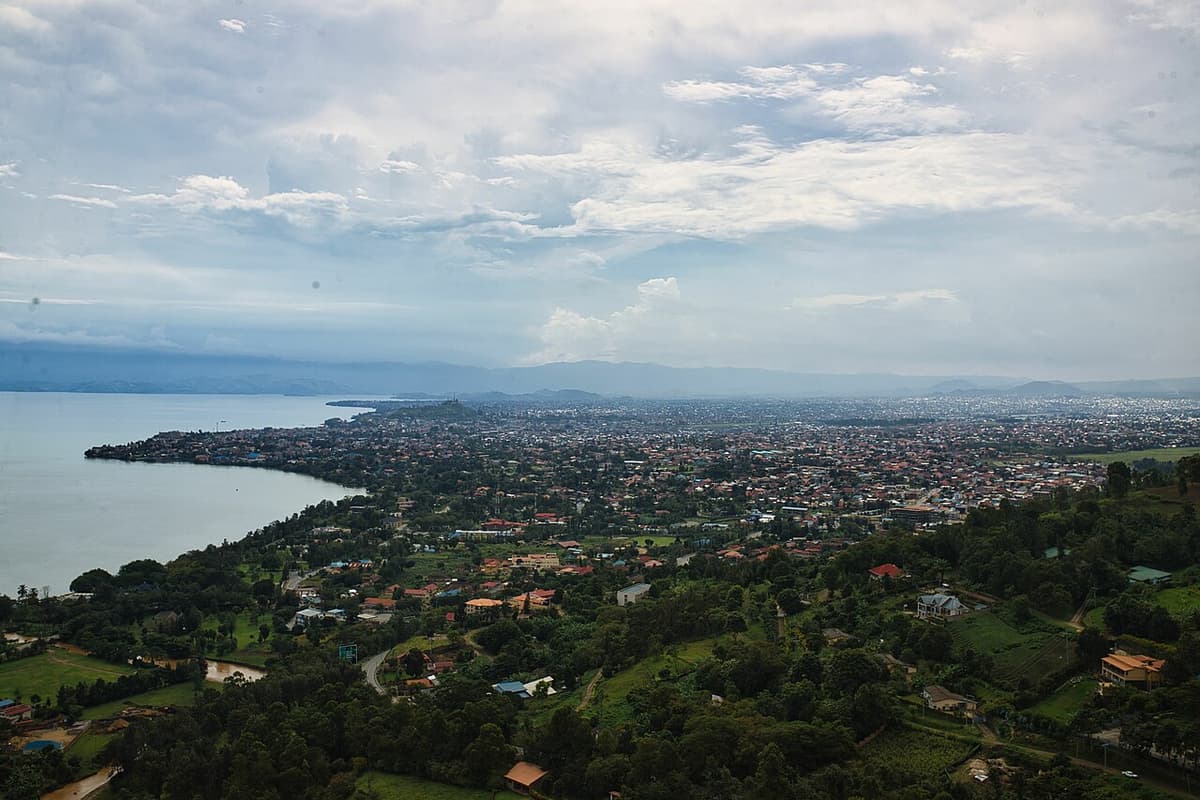
Sécurité - 31 août 2026
Des villages de Walikale vidés alors que les combats se propagent dans l'est de la RDC
Goma, le 31 août 2026 - Plusieurs villages du groupement Waloa Loanda de Walikale ont été vidés alors que les combats entre l'armée et les forces AFC/M23 se sont étendus des zones voisines de Masisi et Kalehe…
Par Amina Kabasele - 3 min de lecture
Sécurité - 31 août 2026
Le gouvernement affirme que l'armée bloque l'expansion de l'AFC/M23 au Kivu
Kinshasa, le 31 août 2026 - Le gouvernement a déclaré que les FARDC faisaient systématiquement échouer les tentatives de l'AFC/M23 d'occuper de nouveaux territoires dans les Kivus, alors que les combats se poursuivaient…
Par Amina Kabasele - 3 min de lecture