
Security - 8 February 2026
Looting of Health Facilities Leaves Over 44,600 People Without Access to Care
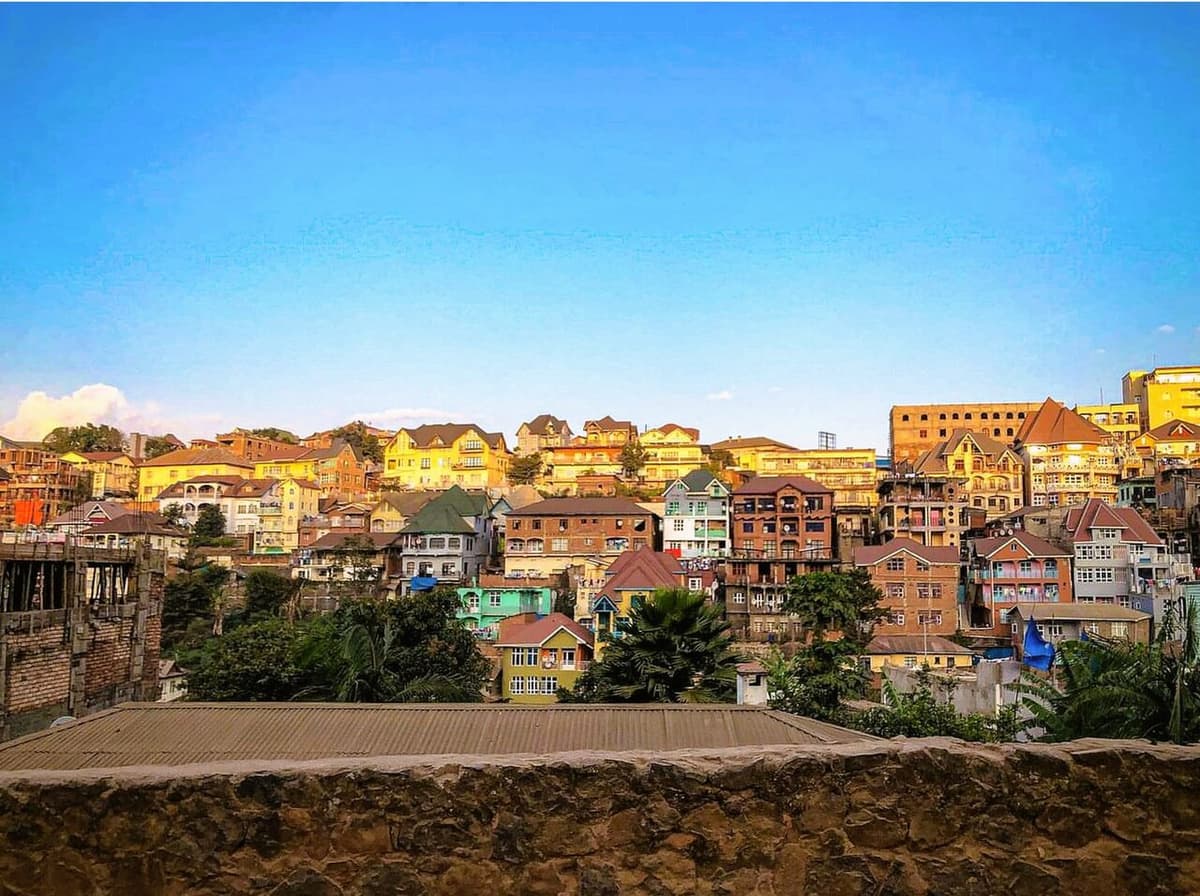
Uvira, February 8, 2026 - The ongoing conflict in Uvira has significantly worsened the humanitarian situation, with the looting of health facilities affecting more than 44,600 people, including 19,287 internally displaced persons and 25,313 returnees, severely limiting their access to essential healthcare.
A security and humanitarian overview for South Kivu province covering December 2025 reveals that the intensification of armed clashes in Uvira has caused widespread displacement, disrupted livelihoods, and halted critical humanitarian operations. Thousands of people have fled within the city and territory, while others have crossed into Burundi seeking refuge.
Assessments in the Ruzizi Health Zone indicate tens of thousands living in precarious conditions across multiple health areas, including Kiliba, Runigu, Kabunambo, Sange État, Sange CEPAC, Nazareni, Rusabagi, Ndunda, Kigurwe, and Kimuka. Many displaced families are sheltered in collective centers, such as schools and churches, while more than eight health facilities have been looted, drastically reducing or entirely halting operations.
The Kalehe territory also experienced massive displacements and disruption of socio-economic activities. Fighting along the Katasomwa-Ramba and Bushaku-Chambombo axes displaced nearly 2,900 households, now housed in Lemera, Luzira, Kasheke, Kalehe Centre, Bushushu, Nyamukubi, and Tchofi. These populations face severe vulnerabilities, including food insecurity, lack of shelter, limited access to healthcare, clean water, and sanitation.
In the Walungu territory, armed clashes led to population displacements, the suspension of socio-economic activities, and the destruction of numerous schools, churches, and health facilities in health zones such as Kaziba, Nyangezi, and Mubumbano. Assessments in Kamanyola and Kashenyi health zones indicate thousands of returnees and displaced persons facing acute food insecurity, malnutrition, and limited access to safe water and healthcare.
Since early 2025, the escalation of the Rwandan-backed AFC/M23 rebellion in North and South Kivu has displaced hundreds of thousands, resulting in hundreds of deaths, thousands of injuries, and blocked access for humanitarian aid. Despite these challenges, humanitarian actors continue to provide emergency medical care, food aid, and essential services, negotiating access to affected areas wherever possible.
Humanitarian experts emphasize the urgent need for safe and unimpeded access to vulnerable populations. Meanwhile, progress in regional mediation initiatives, including the US-led Washington process and Qatar-facilitated talks, has yet to produce tangible improvements on the ground. Many voices are now calling on all stakeholders to honor commitments, silence the guns, and provide a chance for lasting peace after nearly three decades of conflict.
Related reading
Security - 31 August 2026
DRC And Congo-Brazzaville Move To De-Escalate Congo River Border Clash
Kinshasa, August 31, 2026 - The DRC and Congo-Brazzaville moved to contain tensions after a fatal August 28 clash between FARDC troops and Congo-Brazzaville forces on the Congo River between Yumbi and Makotimpoko.
By Amina Kabasele - 3 min read
Security - 31 August 2026
Walikale Villages Empty As Fighting Spreads In Eastern DRC
Goma, August 31, 2026 - Multiple villages in the Waloa Loanda groupement of Walikale were emptied as fighting between the army and AFC/M23 forces spread from nearby Masisi and Kalehe zones, deepening humanitarian…
By Amina Kabasele - 3 min read
Security - 31 August 2026
Government Says Army Is Blocking AFC/M23 Expansion In Kivu
Kinshasa, August 31, 2026 - The government said the FARDC was systematically foiling AFC/M23 attempts to occupy additional territory in the Kivus, as fighting continued on multiple fronts.
By Amina Kabasele - 3 min read