
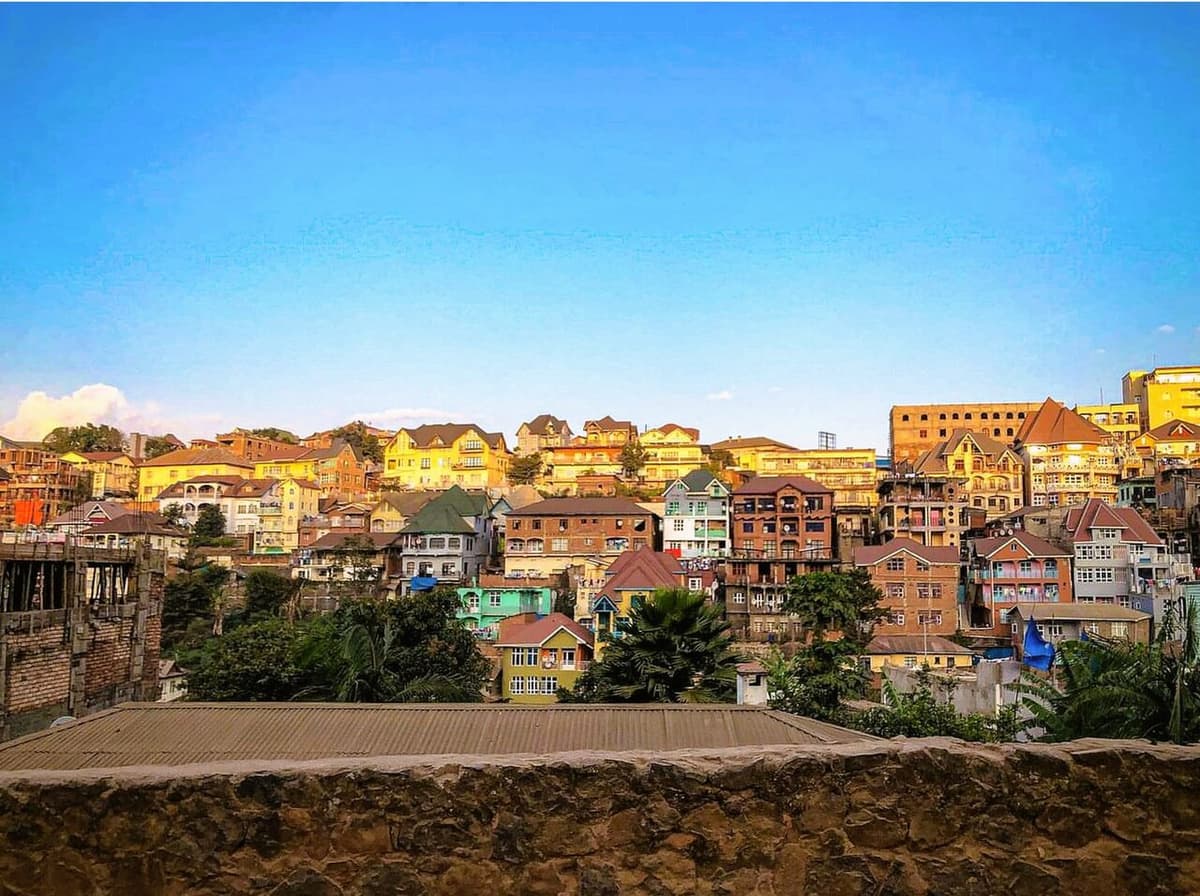
Sécurité - 8 février 2026
Le pillage des établissements de santé laisse plus de 44 600 personnes sans accès aux soins
Uvira, le 8 février 2026 - Le conflit en cours à Uvira a considérablement aggravé la situation humanitaire, le pillage des établissements de santé affectant plus de 44 600 personnes, dont 19 287 personnes déplacées internes et 25 313 rapatriés, limitant sévèrement leur accès aux soins essentiels.
Un aperçu sécuritaire et humanitaire pour la province du Sud-Kivu couvrant décembre 2025 révèle que l'intensification des affrontements armés à Uvira a provoqué des déplacements massifs, perturbé les moyens de subsistance et interrompu les opérations humanitaires critiques. Des milliers de personnes ont fui à l'intérieur de la ville et du territoire, tandis que d'autres ont traversé au Burundi à la recherche de refuge.
Des évaluations dans la zone de santé de Ruzizi indiquent des dizaines de milliers de personnes vivant dans des conditions précaires à travers plusieurs zones de santé, y compris Kiliba, Runigu, Kabunambo, Sange État, Sange CEPAC, Nazareni, Rusabagi, Ndunda, Kigurwe et Kimuka. De nombreuses familles déplacées sont abritées dans des centres collectifs, tels que des écoles et des églises, tandis que plus de huit établissements de santé ont été pillés, réduisant drastiquement ou arrêtant complètement les opérations.
Le territoire de Kalehe a également connu des déplacements massifs et une perturbation des activités socio-économiques. Les combats le long des axes Katasomwa-Ramba et Bushaku-Chambombo ont déplacé près de 2 900 ménages, désormais logés à Lemera, Luzira, Kasheke, Kalehe Centre, Bushushu, Nyamukubi et Tchofi. Ces populations font face à de graves vulnérabilités, y compris l'insécurité alimentaire, le manque d'abris, un accès limité aux soins de santé, à l'eau potable et à l'assainissement.
Dans le territoire de Walungu, des affrontements armés ont entraîné des déplacements de population, la suspension des activités socio-économiques et la destruction de nombreuses écoles, églises et établissements de santé dans des zones de santé telles que Kaziba, Nyangezi et Mubumbano. Des évaluations dans les zones de santé de Kamanyola et Kashenyi indiquent des milliers de rapatriés et de personnes déplacées faisant face à une insécurité alimentaire aiguë, à la malnutrition et à un accès limité à l'eau potable et aux soins de santé.
Depuis début 2025, l'escalade de la rébellion AFC/M23 soutenue par le Rwanda dans le Nord et le Sud-Kivu a déplacé des centaines de milliers de personnes, entraînant des centaines de décès, des milliers de blessés et bloquant l'accès à l'aide humanitaire. Malgré ces défis, les acteurs humanitaires continuent de fournir des soins médicaux d'urgence, de l'aide alimentaire et des services essentiels, négociant l'accès aux zones touchées chaque fois que cela est possible.
Les experts humanitaires soulignent le besoin urgent d'un accès sûr et sans entrave aux populations vulnérables. Pendant ce temps, les progrès des initiatives de médiation régionale, y compris le processus de Washington dirigé par les États-Unis et les pourparlers facilités par le Qatar, n'ont pas encore produit d'améliorations tangibles sur le terrain. De nombreuses voix appellent désormais tous les acteurs à honorer leurs engagements, à faire taire les armes et à offrir une chance à une paix durable après près de trois décennies de conflit.
À lire aussi
Sécurité - 31 août 2026
RDC et Congo-Brazzaville s'efforcent de désamorcer le conflit frontalier sur le fleuve Congo
Kinshasa, le 31 août 2026 - La RDC et le Congo-Brazzaville ont agi pour contenir les tensions après un affrontement mortel du 28 août entre les troupes des FARDC et les forces du Congo-Brazzaville sur le fleuve Congo…
Par Amina Kabasele - 3 min de lecture
Sécurité - 31 août 2026
Des villages de Walikale vidés alors que les combats se propagent dans l'est de la RDC
Goma, le 31 août 2026 - Plusieurs villages du groupement Waloa Loanda de Walikale ont été vidés alors que les combats entre l'armée et les forces AFC/M23 se sont étendus des zones voisines de Masisi et Kalehe…
Par Amina Kabasele - 3 min de lecture
Sécurité - 31 août 2026
Le gouvernement affirme que l'armée bloque l'expansion de l'AFC/M23 au Kivu
Kinshasa, le 31 août 2026 - Le gouvernement a déclaré que les FARDC faisaient systématiquement échouer les tentatives de l'AFC/M23 d'occuper de nouveaux territoires dans les Kivus, alors que les combats se poursuivaient…
Par Amina Kabasele - 3 min de lecture