
Security - 22 March 2026
Kagame Urges Kigali Leaders to Eliminate Corruption and Improve Service Delivery
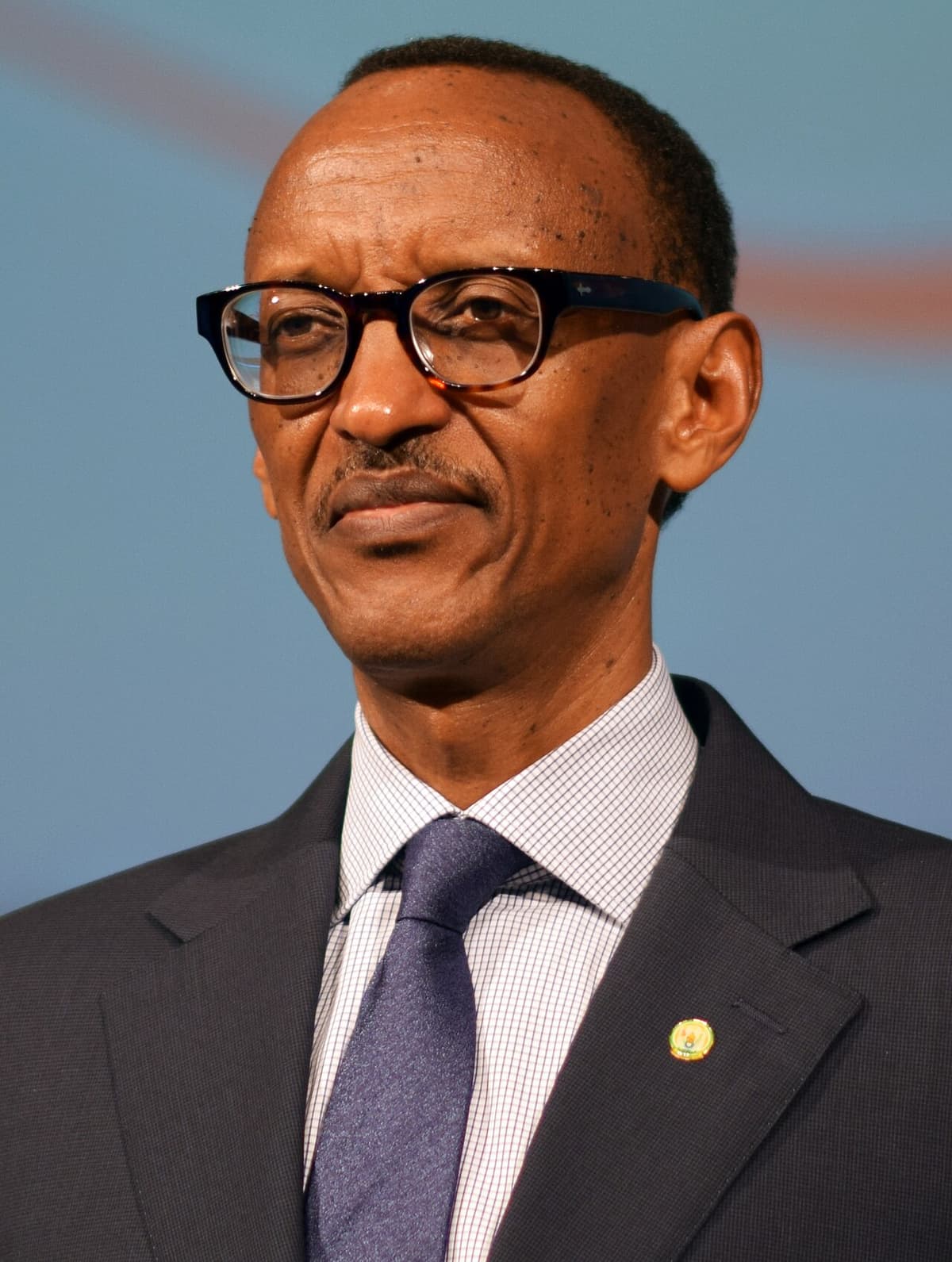
Kigali, March 23, 2026 - President Paul Kagame has called on leaders in the City of Kigali and across public institutions to urgently address persistent problems related to pollution, poor service delivery, and corruption, warning that failure to act will have serious consequences.
Speaking on Monday, March 23, at the conclusion of a high-level consultative meeting with government and local leaders, Kagame criticized what he described as a tolerance for “reduced” corruption rather than its total elimination.
“Why compare ourselves to countries where corruption is worse? Why accept so-called ‘petty corruption’?” he asked. “If you see services not being delivered properly and remain silent, you are complicit.”
The Rwandan leader stressed that silence in the face of corruption amounts to participation, urging officials to take responsibility and act decisively. He warned that negligence in public service delivery can have fatal consequences, citing the case of a woman who died after being denied care at a hospital due to administrative issues with her health insurance.
Kagame also highlighted visible shortcomings in urban management, pointing to poor sanitation, unmaintained public spaces, and unregulated construction in Kigali. He said he had personally observed dirt along roads and inconsistent urban planning, calling for immediate corrective measures.
“I still see dirt on the roads. I stop and ask those with me to remove it,” he said, emphasizing the need for practical, low-cost solutions, such as landscaping and better organization of residential and commercial areas.
The president urged city authorities to establish dedicated task forces, involving security services and urban planning officials, to ensure consistent enforcement and follow-up on identified issues. He expressed frustration at the slow pace of implementation, noting that similar directives had been issued for years.
Beyond urban governance, Kagame addressed broader social and economic challenges, including school dropouts, family instability, and agricultural productivity. He questioned why Rwanda has not yet achieved food self-sufficiency, pointing to gaps in awareness, production, and post-harvest management, particularly the lack of systems to preserve perishable goods.
He concluded with a firm warning: all identified problems must be resolved, or authorities themselves will be held accountable for inaction.
Related reading
Security - 31 August 2026
DRC And Congo-Brazzaville Move To De-Escalate Congo River Border Clash
Kinshasa, August 31, 2026 - The DRC and Congo-Brazzaville moved to contain tensions after a fatal August 28 clash between FARDC troops and Congo-Brazzaville forces on the Congo River between Yumbi and Makotimpoko.
By Amina Kabasele - 3 min read
Security - 31 August 2026
Walikale Villages Empty As Fighting Spreads In Eastern DRC
Goma, August 31, 2026 - Multiple villages in the Waloa Loanda groupement of Walikale were emptied as fighting between the army and AFC/M23 forces spread from nearby Masisi and Kalehe zones, deepening humanitarian…
By Amina Kabasele - 3 min read
Security - 31 August 2026
Government Says Army Is Blocking AFC/M23 Expansion In Kivu
Kinshasa, August 31, 2026 - The government said the FARDC was systematically foiling AFC/M23 attempts to occupy additional territory in the Kivus, as fighting continued on multiple fronts.
By Amina Kabasele - 3 min read