
Sécurité - 22 mars 2026
Kagame exhorte les dirigeants de Kigali à éliminer la corruption et à améliorer la prestation de services
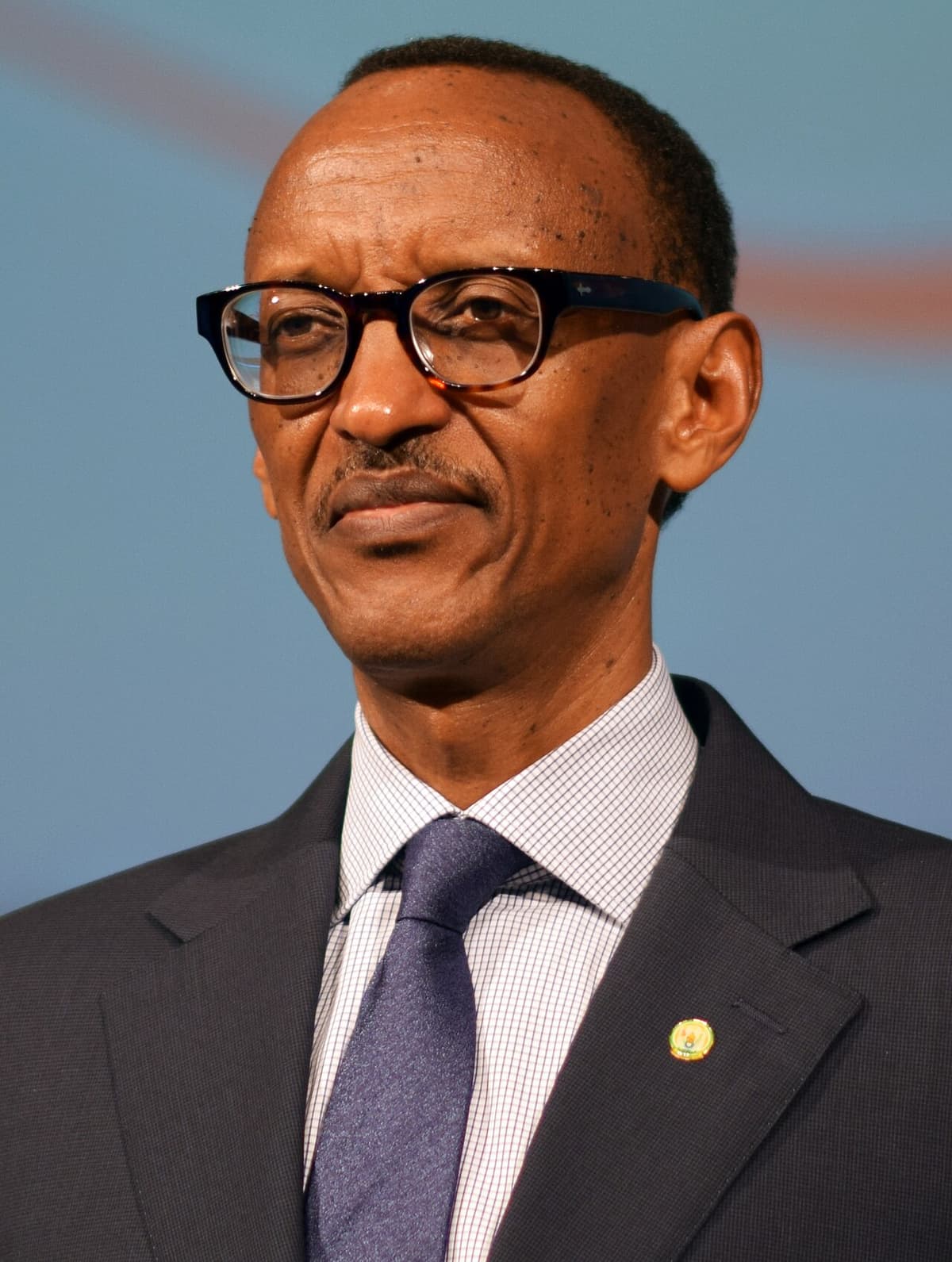
Kigali, le 23 mars 2026 - Le président Paul Kagame a appelé les dirigeants de la ville de Kigali et des institutions publiques à s'attaquer de toute urgence aux problèmes persistants liés à la pollution, à la mauvaise prestation des services et à la corruption, avertissant que toute inaction aurait de graves conséquences.
S’exprimant lundi 23 mars, à l’issue d’une réunion consultative de haut niveau avec le gouvernement et les dirigeants locaux, Kagame a critiqué ce qu’il a décrit comme une tolérance en faveur d’une corruption « réduite » plutôt que de son élimination totale.
"Pourquoi se comparer à des pays où la corruption est pire ? Pourquoi accepter ce qu'on appelle la "petite corruption" ?" il a demandé. « Si vous constatez que les services ne sont pas fournis correctement et que vous gardez le silence, vous êtes complice. »
Le dirigeant rwandais a souligné que le silence face à la corruption équivaut à une participation, exhortant les responsables à assumer leurs responsabilités et à agir de manière décisive. Il a averti que la négligence dans la prestation des services publics peut avoir des conséquences fatales, citant le cas d'une femme décédée après s'être vu refuser des soins dans un hôpital en raison de problèmes administratifs avec son assurance maladie.
Kagame a également souligné les lacunes visibles de la gestion urbaine, soulignant le mauvais assainissement, les espaces publics non entretenus et la construction non réglementée à Kigali. Il a déclaré avoir personnellement observé de la saleté le long des routes et une planification urbaine incohérente, appelant à des mesures correctives immédiates.
"Je vois encore de la saleté sur les routes. Je m'arrête et demande à ceux qui m'accompagnent de l'enlever", a-t-il déclaré, soulignant la nécessité de solutions pratiques et peu coûteuses, comme l'aménagement paysager et une meilleure organisation des zones résidentielles et commerciales.
Le président a exhorté les autorités municipales à créer des groupes de travail dédiés, impliquant les services de sécurité et les responsables de l'urbanisme, pour assurer une application et un suivi cohérents des problèmes identifiés. Il a exprimé sa frustration face à la lenteur de la mise en œuvre, notant que des directives similaires étaient émises depuis des années.
Au-delà de la gouvernance urbaine, Kagame s’est attaqué à des défis sociaux et économiques plus vastes, notamment le décrochage scolaire, l’instabilité familiale et la productivité agricole. Il s'est demandé pourquoi le Rwanda n'avait pas encore atteint l'autosuffisance alimentaire, soulignant les lacunes en matière de sensibilisation, de production et de gestion post-récolte, en particulier le manque de systèmes pour préserver les denrées périssables.
Il a conclu par un avertissement ferme : tous les problèmes identifiés doivent être résolus, sinon les autorités elles-mêmes seront tenues responsables de leur inaction.
À lire aussi
Sécurité - 31 août 2026
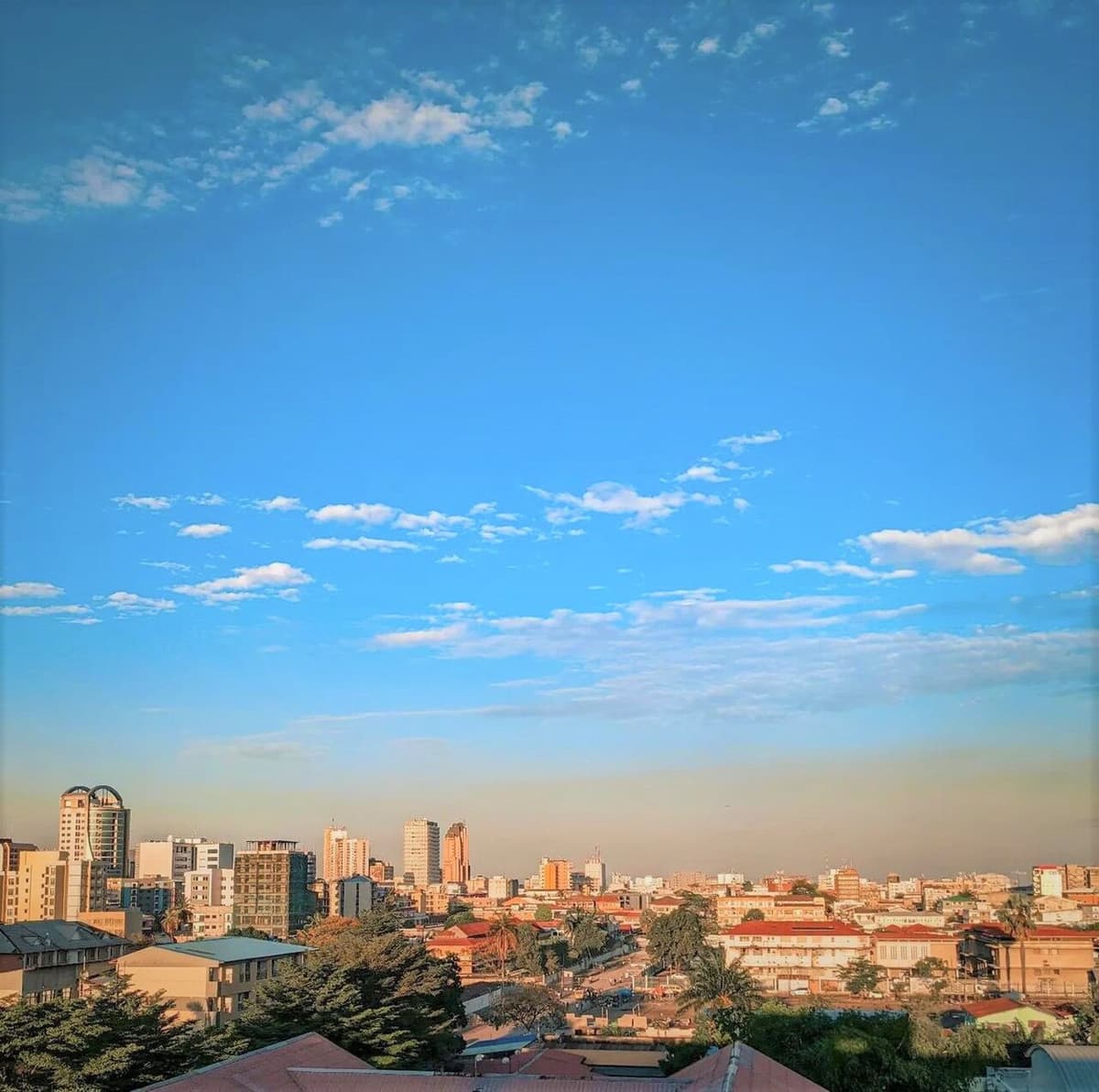
RDC et Congo-Brazzaville s'efforcent de désamorcer le conflit frontalier sur le fleuve Congo
Kinshasa, le 31 août 2026 - La RDC et le Congo-Brazzaville ont agi pour contenir les tensions après un affrontement mortel du 28 août entre les troupes des FARDC et les forces du Congo-Brazzaville sur le fleuve Congo…
Par Amina Kabasele - 3 min de lecture
Sécurité - 31 août 2026
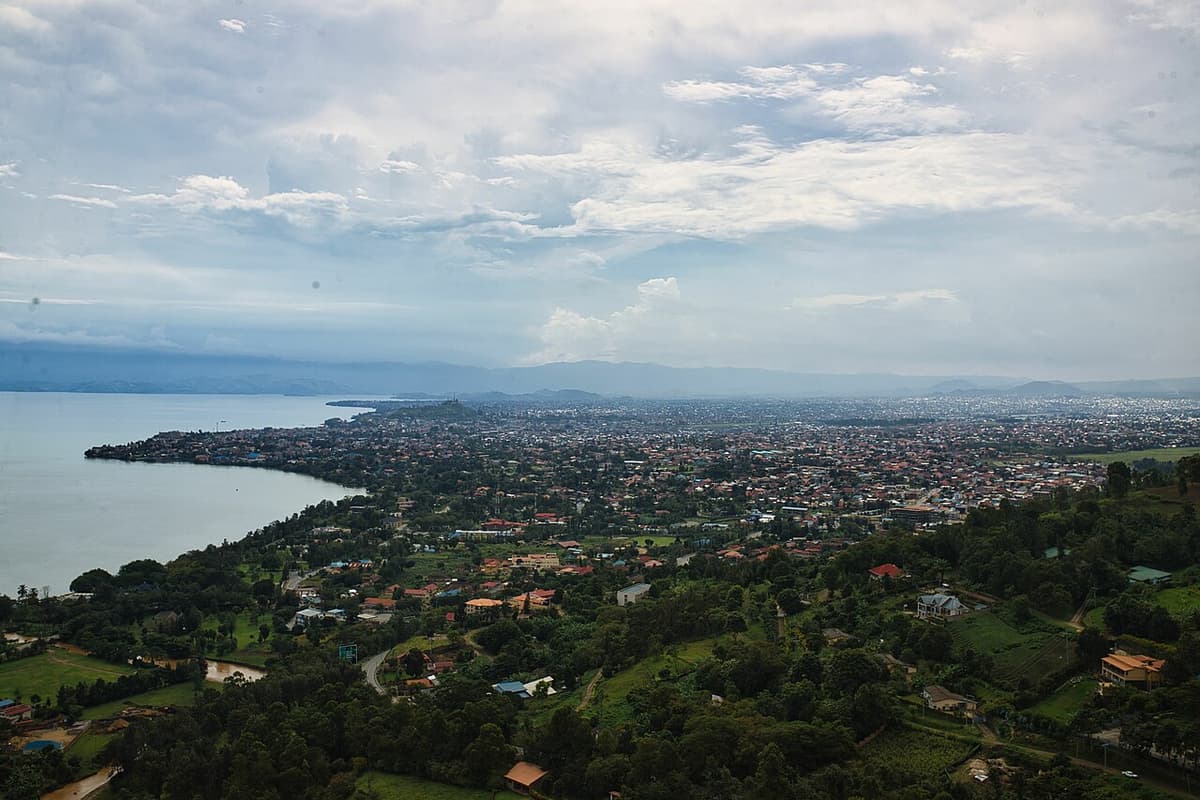
Des villages de Walikale vidés alors que les combats se propagent dans l'est de la RDC
Goma, le 31 août 2026 - Plusieurs villages du groupement Waloa Loanda de Walikale ont été vidés alors que les combats entre l'armée et les forces AFC/M23 se sont étendus des zones voisines de Masisi et Kalehe…
Par Amina Kabasele - 3 min de lecture
Sécurité - 31 août 2026
Le gouvernement affirme que l'armée bloque l'expansion de l'AFC/M23 au Kivu
Kinshasa, le 31 août 2026 - Le gouvernement a déclaré que les FARDC faisaient systématiquement échouer les tentatives de l'AFC/M23 d'occuper de nouveaux territoires dans les Kivus, alors que les combats se poursuivaient…
Par Amina Kabasele - 3 min de lecture