
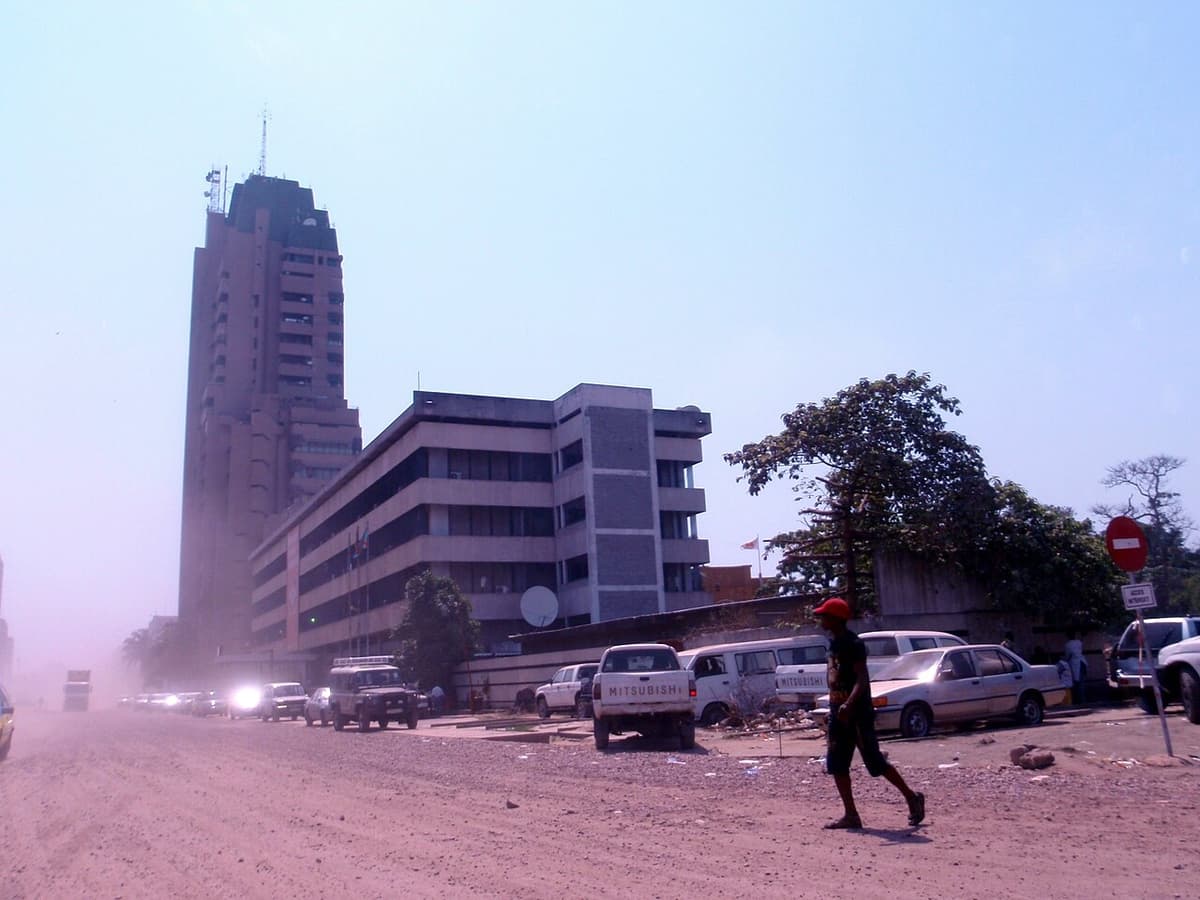
Security - 4 May 2026
DRC parliamentary report highlights weaknesses in national security forces
Kinshasa, April 29, 2026 - A report by the National Assembly of the Democratic Republic of Congo has raised serious concerns over the capacity of the country’s armed forces and allied groups to effectively secure national territory, citing structural and operational shortcomings.
The findings follow consultations held in December 2025 between the parliamentary committee on defence and security and several key government officials, including ministers responsible for security, defence, finance, public service and mining. The discussions aimed to assess the state of national security amid ongoing conflicts in the eastern regions.
According to the report, the Armed Forces of the Democratic Republic of Congo (FARDC) face multiple challenges, including indiscipline, outdated equipment and infiltration by hostile elements. These weaknesses have reportedly undermined the military’s ability to respond effectively to armed groups, particularly in North and South Kivu.
Officials also highlighted broader security concerns across the country, including the presence of foreign forces in parts of Tanganyika province and local conflicts in northern regions. Authorities warned that without swift and coordinated action, the situation could deteriorate further, with implications for national stability, governance and economic activity.
The defence minister acknowledged recent investments in military technology, including drones and combat aircraft, but noted that opposing forces have adapted with countermeasures, limiting their effectiveness. He emphasized the need for a comprehensive strategy combining military, diplomatic, intelligence and economic approaches, alongside broader reforms within the security sector.
The report further pointed to governance and financial management challenges. Although significant funds were allocated to the military in 2025, not all resources were fully utilized, and some planned expenditures were not executed. Concerns were also raised over delays in the payment of allowances to deployed soldiers.
The role of the Wazalendo militia alliance was also examined. While these groups are seen by some officials as important partners in territorial defence, the report highlighted issues related to their organization, conduct and oversight. Tensions between the militia and regular forces have reportedly increased in recent months.
Authorities indicated that future plans include maintaining cooperation with local armed groups during ongoing operations, while considering long-term measures such as disarmament, reintegration or potential integration into formal security structures.
Related reading
Security - 31 August 2026
DRC And Congo-Brazzaville Move To De-Escalate Congo River Border Clash
Kinshasa, August 31, 2026 - The DRC and Congo-Brazzaville moved to contain tensions after a fatal August 28 clash between FARDC troops and Congo-Brazzaville forces on the Congo River between Yumbi and Makotimpoko.
By Amina Kabasele - 3 min read
Security - 31 August 2026
Walikale Villages Empty As Fighting Spreads In Eastern DRC
Goma, August 31, 2026 - Multiple villages in the Waloa Loanda groupement of Walikale were emptied as fighting between the army and AFC/M23 forces spread from nearby Masisi and Kalehe zones, deepening humanitarian…
By Amina Kabasele - 3 min read
Security - 31 August 2026
Government Says Army Is Blocking AFC/M23 Expansion In Kivu
Kinshasa, August 31, 2026 - The government said the FARDC was systematically foiling AFC/M23 attempts to occupy additional territory in the Kivus, as fighting continued on multiple fronts.
By Amina Kabasele - 3 min read