
Economy - 22 March 2026
Two Years After Amendment 5: Progress on Infrastructure Amid Persistent Criticism
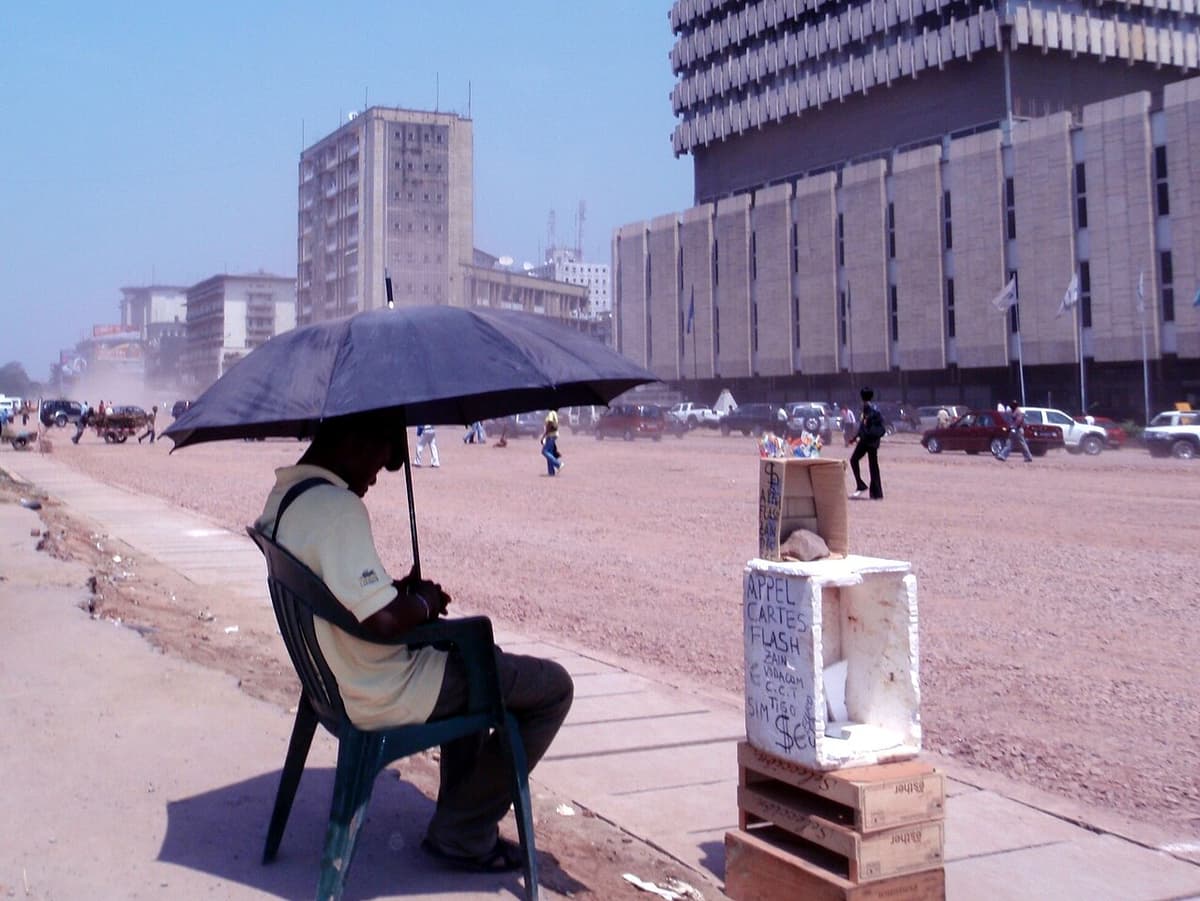
Kinshasa, March 18, 2026 - Two years after the renegotiation of the Sicomines agreement between the Democratic Republic of Congo and a consortium of Chinese companies, progress on infrastructure is visible, but criticism from civil society and experts remains. The Congolese government recently announced a technical and financial audit of the project, renewing debate over whether the nation is truly benefiting from its mineral wealth.
A Renegotiation Presented as a Turning Point
Signed in March 2024, Amendment 5 to the original 2008 Sicomines agreement aimed to correct long-standing imbalances. The agreement included increased infrastructure investment, greater involvement of Gécamines in marketing mining production, and a more structured institutional framework for energy projects such as the Busanga Dam.
Visible Infrastructure Gains
Some improvements are evident on the ground. Along National Route 1, between Nguba and Lubudi, formerly muddy roads have been paved, easing travel and trade. Four bridges are under construction on this 142-kilometer section, part of an 850-kilometer road network planned to connect Nguba to Mbuji-Mayi by 2027. Drivers and local traders note positive effects on transportation and commerce.
Persistent Concerns and Discrepancies
Despite these visible gains, many projects remain incomplete, and the cost of some works appears inflated. Reports highlight discrepancies such as Boulevard du 30 Juin in Kinshasa, billed at $142 million despite estimates of $28 million, and Triomphal Boulevard, billed at $61 million versus an actual $5 million.
Financial Mechanisms Under Scrutiny
Analysts also question the financial structure of Amendment 5. The fixed annual contribution formula limits the DRC’s benefits if copper prices rise while exposing the state to losses if prices fall. Critics argue this mechanism diminishes the potential gains from the country’s mineral wealth.
Electricity and Tax Exemptions
The Busanga Dam, a key component of the partnership, primarily powers mining facilities, with minimal electricity directed to households. Tax exemptions granted to Sicomines are estimated to have cost the state hundreds of millions of dollars annually, with projections suggesting losses could reach $7 billion over the remaining life of the project.
Audit Could Clarify Accountability
The government’s announced audit aims to clarify resource allocation, project costs, and financial mechanisms. Experts hope the process will identify irregularities and ensure the partnership delivers tangible benefits to Congolese citizens.
Public Debate Continues
Two years after Amendment 5, the question remains: who truly benefits from the Sicomines partnership? While some infrastructure improvements are apparent, civil society, analysts, and local stakeholders continue to call for renegotiation and greater accountability to ensure the DRC maximizes the value of its mineral resources.
Related reading

Economy - 31 August 2026
Rwanda Reclaims Undeveloped Industrial Plots To Improve Land Use
Kigali, August 31, 2026 - Rwanda reclaimed 15 additional industrial plots from investors that failed to develop them within agreed timelines, reinforcing the government's push to ensure scarce industrial land is put to…
By Jean-Marc Okito - 2 min read
Economy - 31 August 2026
High Costs And Information Gaps Slow Solar Uptake Among Farmers
Kampala, August 31, 2026 - High upfront costs and limited information are holding back adoption of solar technologies among Uganda's smallholder farmers, constraining productivity and post-harvest management.
By Jean-Marc Okito - 3 min read
Economy - 31 August 2026
Parliament Cafeteria Closure Exposes Procurement Dispute Over Shs2 Billion Food Deal
Kampala, August 31, 2026 - A procurement dispute over a Parliament catering contract worth between Shs1.3 billion and Shs2 billion has disrupted cafeteria services for lawmakers and staff.
By Jean-Marc Okito - 2 min read