
Security - 8 February 2026
Tshisekedi Highlights Rwanda-AFC/M23 Collaboration, Calls for UN Action
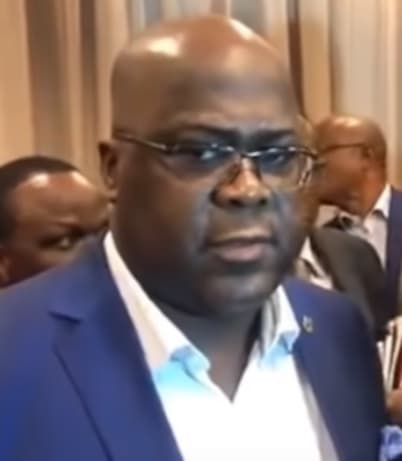
Kinshasa, January 31, 2026 - President Félix Tshisekedi addressed ambassadors and diplomats at the New Year's greetings ceremony at the Palais de la Nation, reacting to Rwanda’s official admission of collaboration with the AFC/M23 rebel group in eastern DRC. This acknowledgment was made by Mathilde Mukantabana, Rwanda’s Ambassador to the United States, before the US House of Representatives.
According to Tshisekedi, the admission reduces the scope for denial, clarifies responsibilities, and obliges the international community, particularly the United Nations, to implement Security Council resolutions.
“For years, we have denounced, with evidence, the external support fueling armed violence on our soil. Now, a high-ranking Rwandan official has officially confirmed security coordination with the AFC/M23 rebels. This is not a PR exercise or a political strategy. It exposes the decisive support provided to an armed insurgent movement operating on Congolese sovereign territory,” declared Félix Tshisekedi.
He emphasized:
“This admission constitutes a major turning point: it reduces denial, clarifies responsibilities, and compels action through international law, UN resolutions, and political commitments. No narrative, cause, or security justification can legitimize de facto occupation, parallel administrations, forced displacements, or plundering of resources against a UN member state.”
For the first time, Rwanda officially acknowledged its coordination with AFC/M23 in eastern DRC. Kigali claims this is a defensive measure aimed at protecting the Tutsi population and preventing a resurgence of genocidal violence.
In her statement to the US Congress on January 22, Mathilde Mukantabana explained that this coordination allowed the AFC/M23 to withdraw from Uvira, signaling commitment to de-escalation.
She further stated:
“Rwanda is engaging in security coordination with the AFC/M23 to build trust through transparency. The AFC/M23 has legitimate grievances against Kinshasa. Rwanda and the AFC/M23 share a common interest in protecting Tutsis from the FDLR and other extremist militias. Rwanda’s interest is also to prevent a cross-border genocidal insurgency threatening its existence.”
Kigali stresses that the coordination is strictly defensive, conditional, time-limited, linked to disarmament and neutralization of the FDLR, and does not seek to influence internal DRC politics.
Related reading
Security - 31 August 2026
DRC And Congo-Brazzaville Move To De-Escalate Congo River Border Clash
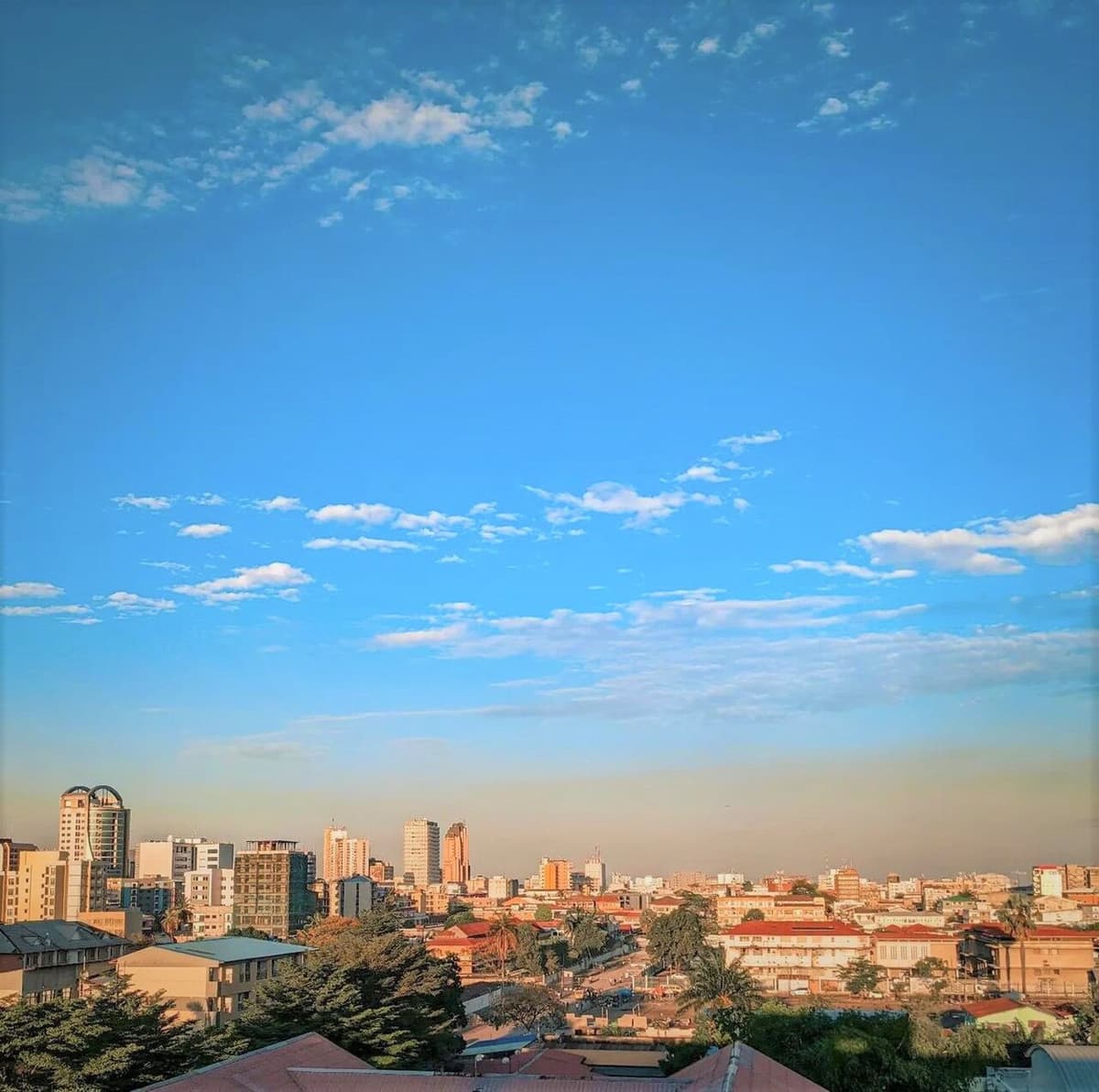
Kinshasa, August 31, 2026 - The DRC and Congo-Brazzaville moved to contain tensions after a fatal August 28 clash between FARDC troops and Congo-Brazzaville forces on the Congo River between Yumbi and Makotimpoko.
By Amina Kabasele - 3 min read
Security - 31 August 2026
Walikale Villages Empty As Fighting Spreads In Eastern DRC
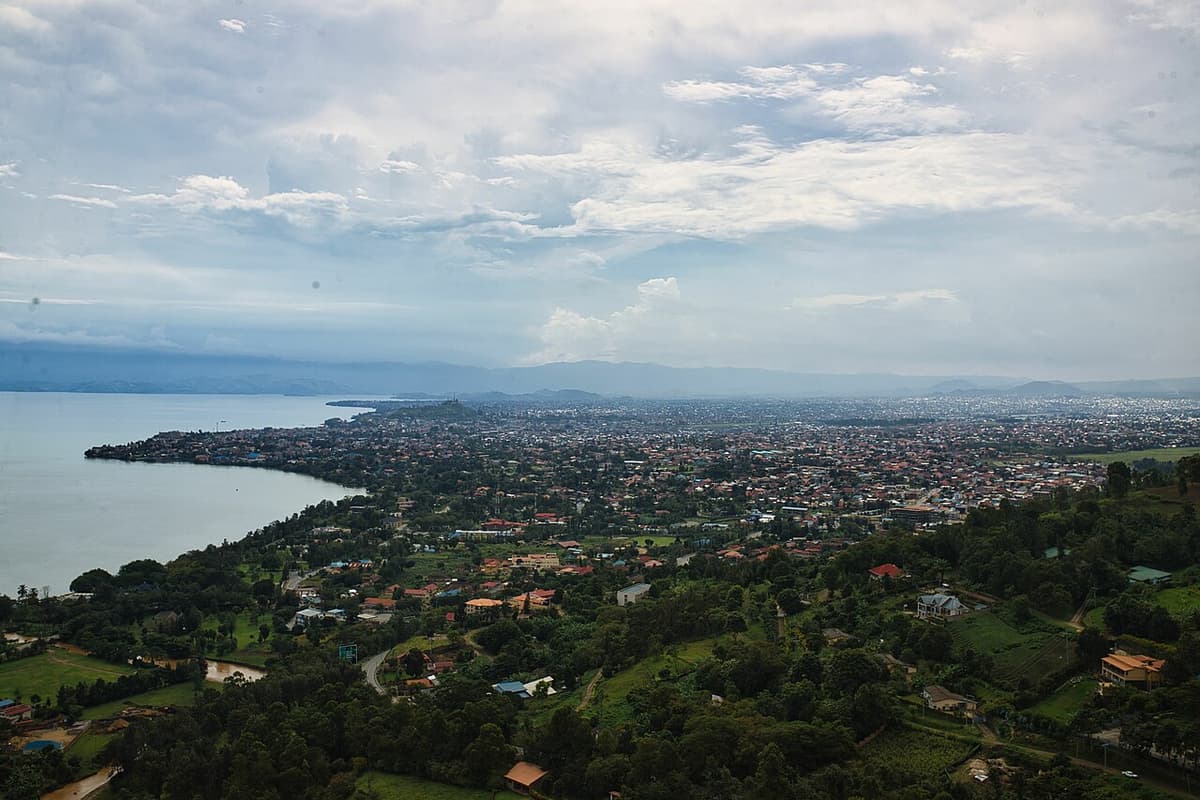
Goma, August 31, 2026 - Multiple villages in the Waloa Loanda groupement of Walikale were emptied as fighting between the army and AFC/M23 forces spread from nearby Masisi and Kalehe zones, deepening humanitarian…
By Amina Kabasele - 3 min read
Security - 31 August 2026
Government Says Army Is Blocking AFC/M23 Expansion In Kivu
Kinshasa, August 31, 2026 - The government said the FARDC was systematically foiling AFC/M23 attempts to occupy additional territory in the Kivus, as fighting continued on multiple fronts.
By Amina Kabasele - 3 min read