
Security - 29 April 2026
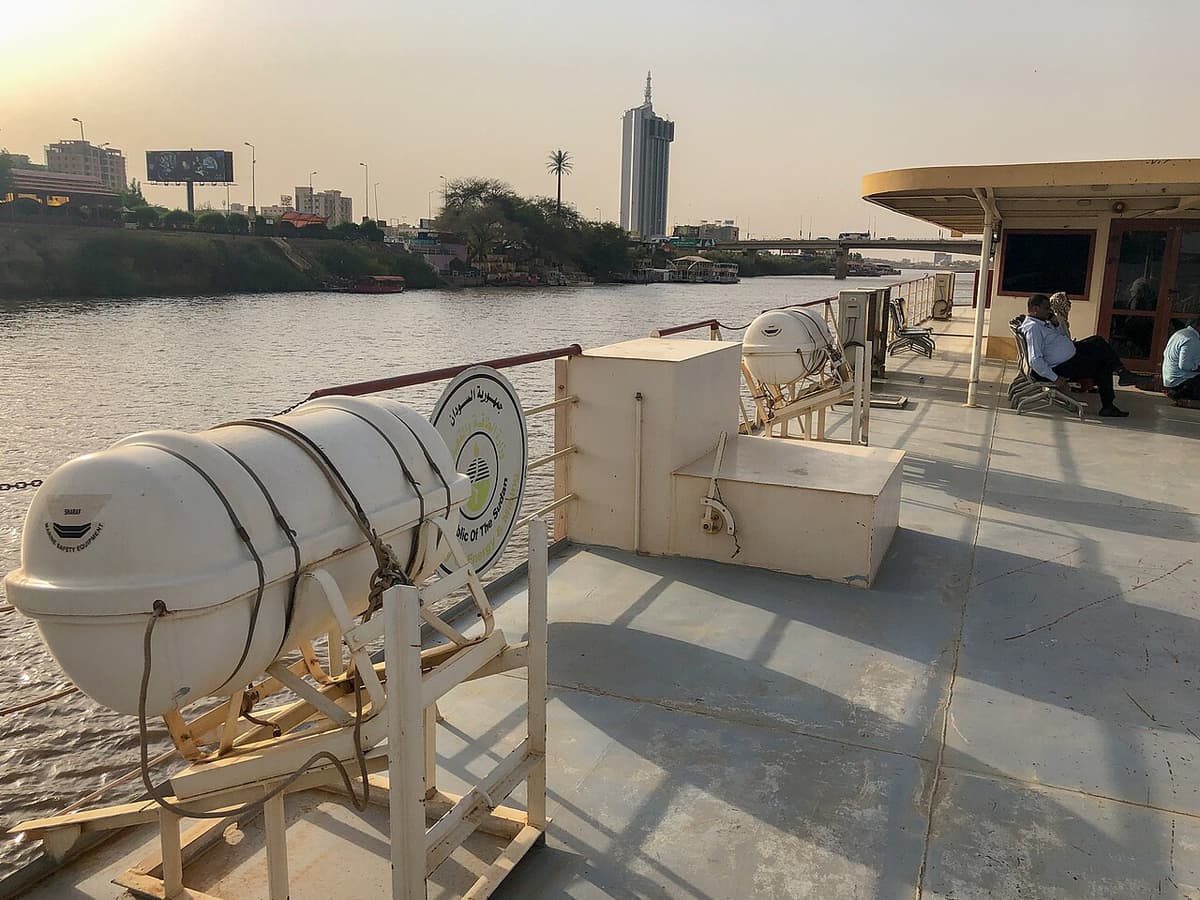
Sudan Returns Risk Collapse Without Urgent Infrastructure Aid, IOM Warns
Khartoum, April 21, 2026 - The International Organization for Migration (IOM) has warned that the large-scale return of displaced Sudanese civilians risks becoming unsustainable unless urgent investment is made in rebuilding infrastructure and restoring livelihoods.
In a briefing on Tuesday, the UN agency said that nearly 4 million people have returned to their homes out of an estimated 11.5 million who fled since the conflict began three years ago. It noted that the return movement has been driven largely by the Sudanese army’s regained control of key areas, including Sennar, Al Jazirah, and Khartoum states.
The IOM cautioned that while many returnees are motivated by hopes of rebuilding their lives, these efforts could fail without rapid rehabilitation of essential services such as water, electricity, and healthcare, as well as broader economic recovery measures.
Returns have been concentrated in Khartoum and Al Jazirah, driven by relative improvements in security, economic pressures, and family reunification. However, the agency warned that both regions are under severe strain.
In Khartoum, the influx of returnees is placing additional pressure on already devastated urban infrastructure. Water systems, electricity grids, and health facilities have been heavily damaged by the conflict, limiting access to basic services.
In Al Jazirah, the destruction of agricultural equipment and irrigation systems is threatening food production at a critical stage of recovery, raising concerns over food security for both returnees and host communities.
According to IOM data, approximately 1.8 million people have returned to Khartoum and 1.1 million to Al Jazirah. The agency said these shifting population movements are also increasing pressure on eastern and northern states, which continue to serve as major hubs for displaced populations despite their own economic and climate-related challenges.
The report further highlighted growing strain on health systems and water infrastructure in host communities, warning of rising social and economic tensions.
IOM Deputy Director General for Management and Reform SungAh Lee, who recently visited Sudan, said that returning home should represent the start of recovery, but for many it has instead meant confronting destroyed services and renewed uncertainty.
She stressed the need for access to safe housing and sustainable livelihoods, warning that without such support, ensuring safe and dignified returns will become increasingly difficult.
The IOM said it is working with partners to support Sudan’s transition from emergency response to longer-term stability and peace, emphasizing that coordinated regional efforts are essential to track and manage the country’s evolving displacement and return dynamics.
Related reading
Security - 31 August 2026
DRC And Congo-Brazzaville Move To De-Escalate Congo River Border Clash
Kinshasa, August 31, 2026 - The DRC and Congo-Brazzaville moved to contain tensions after a fatal August 28 clash between FARDC troops and Congo-Brazzaville forces on the Congo River between Yumbi and Makotimpoko.
By Amina Kabasele - 3 min read
Security - 31 August 2026
Walikale Villages Empty As Fighting Spreads In Eastern DRC
Goma, August 31, 2026 - Multiple villages in the Waloa Loanda groupement of Walikale were emptied as fighting between the army and AFC/M23 forces spread from nearby Masisi and Kalehe zones, deepening humanitarian…
By Amina Kabasele - 3 min read
Security - 31 August 2026
Government Says Army Is Blocking AFC/M23 Expansion In Kivu
Kinshasa, August 31, 2026 - The government said the FARDC was systematically foiling AFC/M23 attempts to occupy additional territory in the Kivus, as fighting continued on multiple fronts.
By Amina Kabasele - 3 min read