
Security - 29 April 2026
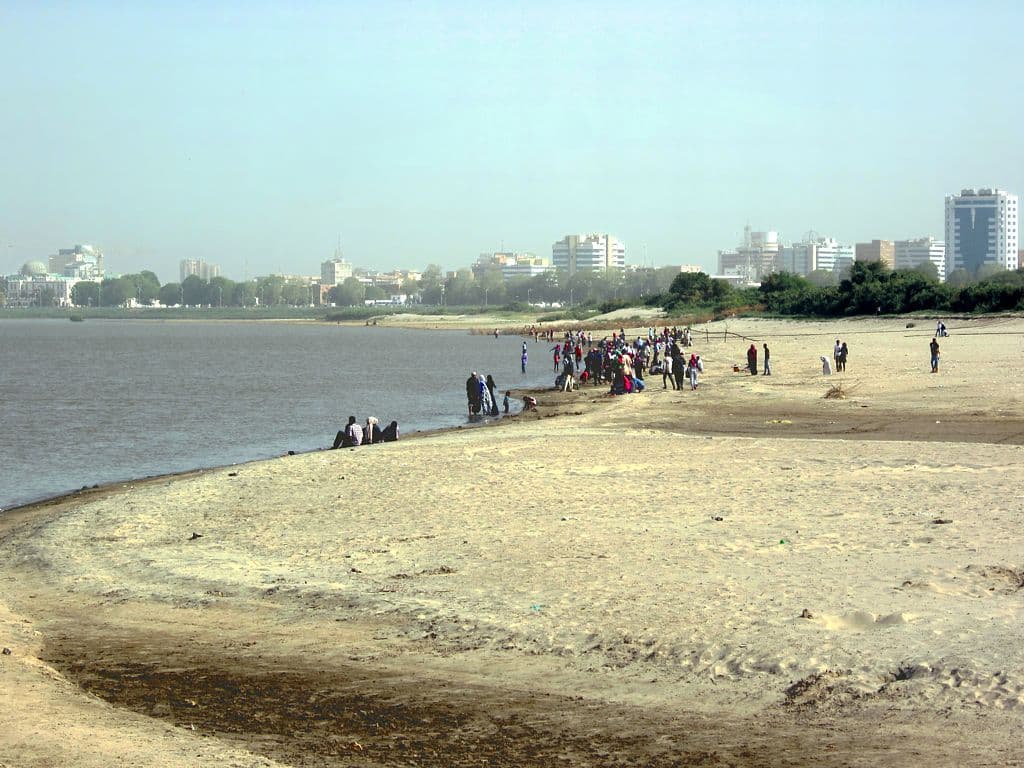
Sudan Authorities Resume Exhumation of War Victims in South Khartoum
Khartoum, April 26, 2026 - Authorities in Khartoum locality have resumed the exhumation and transfer of human remains from informal burial sites in southern parts of the capital, following legal procedures and notification of victims’ families.
The local administration said operations restarted on Sunday in coordination with forensic experts, focusing on areas including the Land Port and Jabra district, where large numbers of wartime burials were previously conducted in residential and public spaces.
Officials stated that more than 15,000 bodies have been transferred from homes, streets, and public squares across Khartoum since April 2025. The Forensic Medicine Authority aims to complete the relocation of all remains buried outside official cemeteries by mid-year.
In the latest phase of operations, 93 sets of remains were reportedly moved to designated cemeteries, including 87 recovered from Jabra Block 18 and six from the Land Port bus terminal area.
Authorities explained that the ongoing process involves relocating bodies from makeshift graves used by civilians during the height of the conflict, when access to burial services was severely disrupted and movement across the city was highly dangerous.
The exhumations are being carried out under directives from a higher committee overseeing the return of displaced persons to Khartoum, which is now operating under the Council of Ministers and coordinating broader recovery efforts, including the restoration of basic services such as water, electricity, health, and education.
Officials said all procedures are being conducted in accordance with legal requirements, including documentation of cases and notification of relatives. Unidentified remains are being reburied in official cemeteries.
The operation is expected to continue across multiple administrative areas until all identified sites are cleared before the onset of the rainy season, based on surveys conducted by specialized teams and local community committees.
Authorities added that priority is being given to densely populated areas, including residential neighborhoods, schools, markets, mosques, and public squares.
During the conflict in Khartoum, many residents were forced to bury relatives in improvised graves due to the collapse of funeral services and the dangers posed by ongoing shelling and street fighting.
Related reading
Security - 31 August 2026
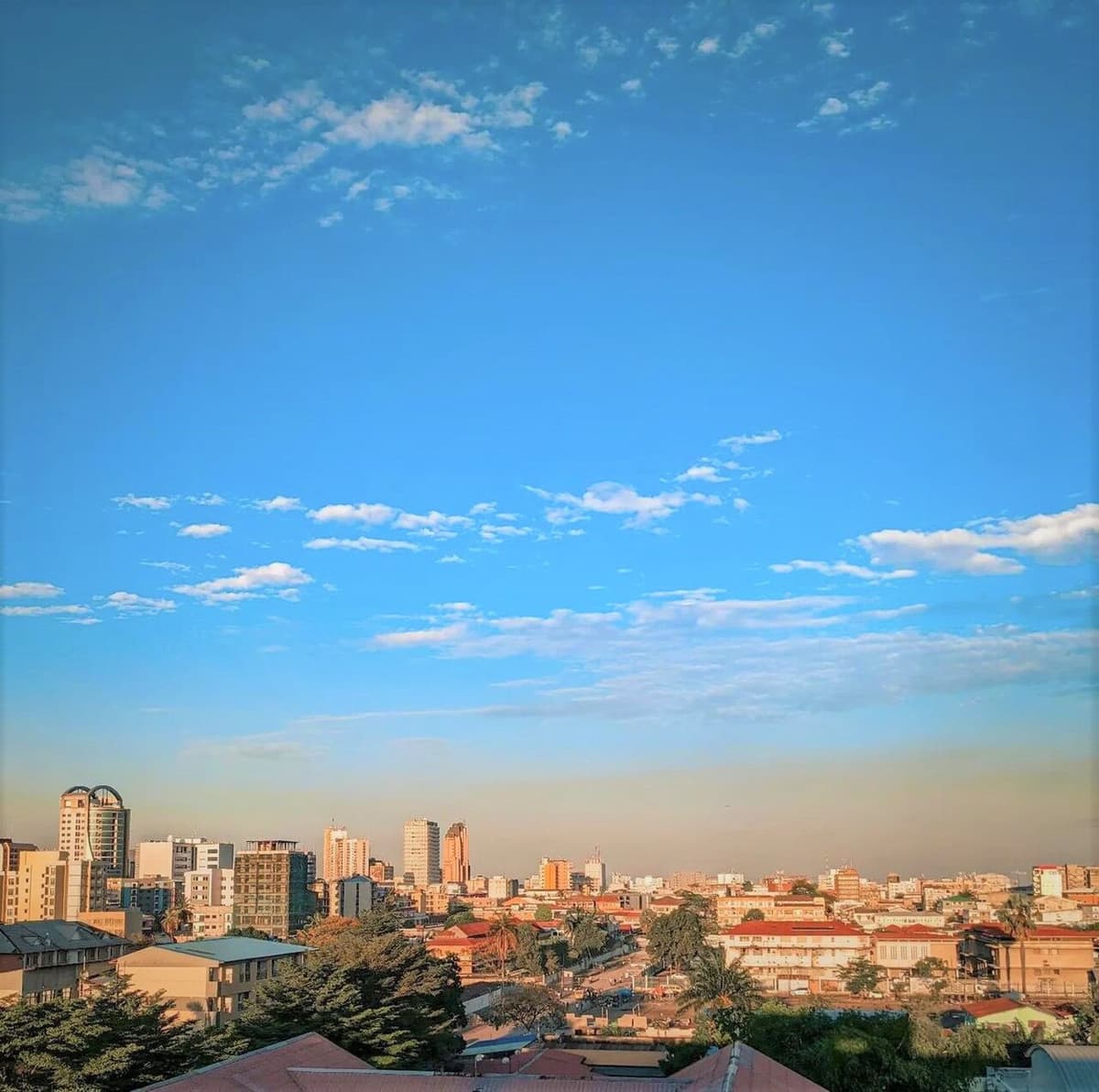
DRC And Congo-Brazzaville Move To De-Escalate Congo River Border Clash
Kinshasa, August 31, 2026 - The DRC and Congo-Brazzaville moved to contain tensions after a fatal August 28 clash between FARDC troops and Congo-Brazzaville forces on the Congo River between Yumbi and Makotimpoko.
By Amina Kabasele - 3 min read
Security - 31 August 2026
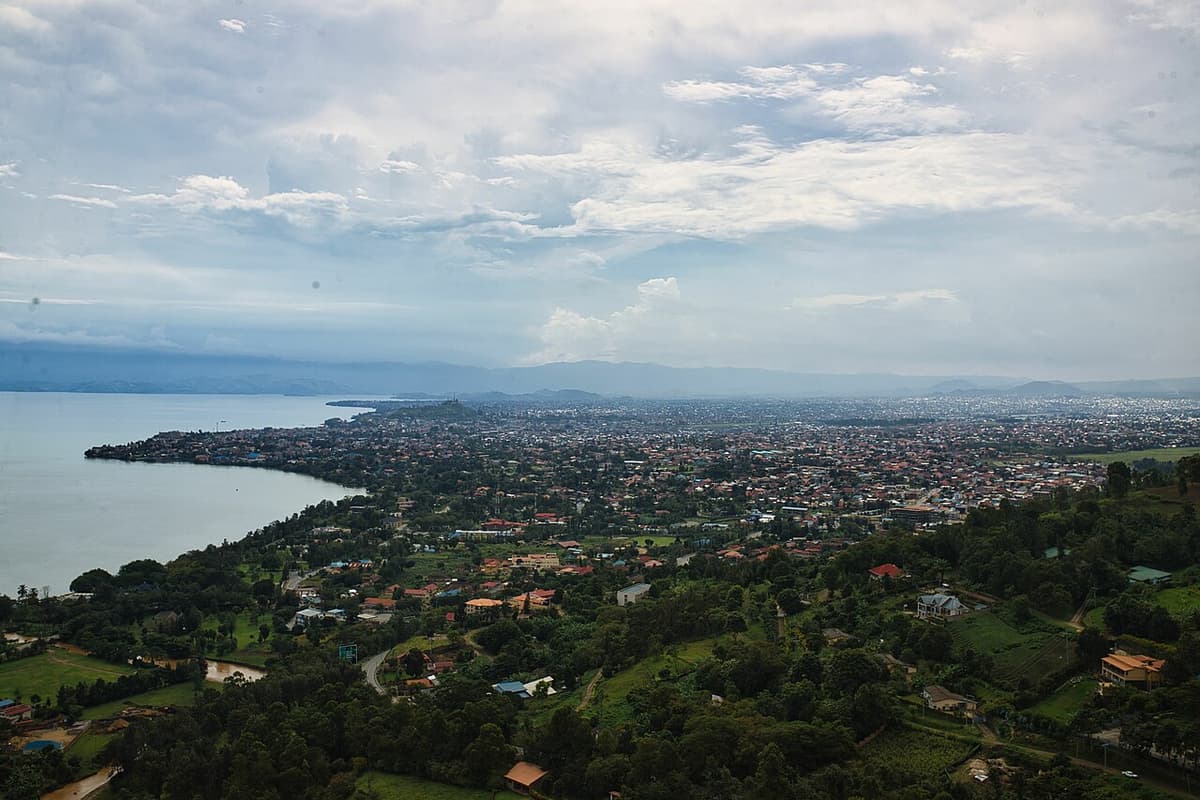
Walikale Villages Empty As Fighting Spreads In Eastern DRC
Goma, August 31, 2026 - Multiple villages in the Waloa Loanda groupement of Walikale were emptied as fighting between the army and AFC/M23 forces spread from nearby Masisi and Kalehe zones, deepening humanitarian…
By Amina Kabasele - 3 min read
Security - 31 August 2026
Government Says Army Is Blocking AFC/M23 Expansion In Kivu
Kinshasa, August 31, 2026 - The government said the FARDC was systematically foiling AFC/M23 attempts to occupy additional territory in the Kivus, as fighting continued on multiple fronts.
By Amina Kabasele - 3 min read