
Security - 22 March 2026
Rwandan Minister Warns of Persistent Genocide Ideology
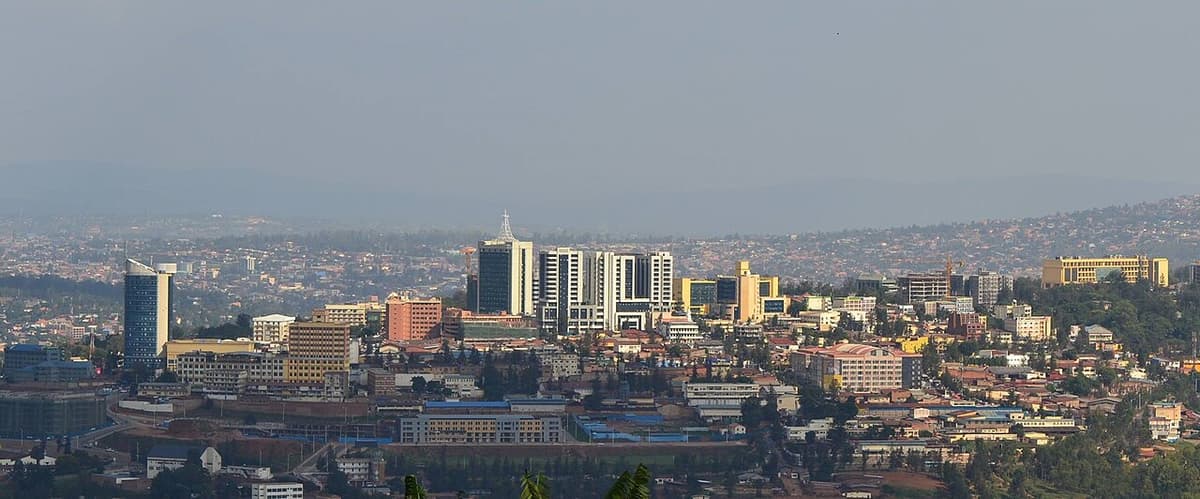
Kigali, March 9, 2026 - Rwanda’s Minister of Youth and Arts Development, Jean Nepo Abdallah Utumatwishima, has warned that the ideology behind the 1994 Genocide against the Tutsi remains present, cautioning against efforts to downplay or distort its legacy.
Speaking at Lycée de Kigali during the launch of the third phase of the Ndi Umunyarwanda program in schools, the minister said the spread of genocide ideology continues to be fueled in part by narratives linked to the family of former President Juvénal Habyarimana.
The Ndi Umunyarwanda program-implemented in collaboration with the Ministry of Education Rwanda, the Ministry of Youth and Arts Development, the Ministry of National Unity and Civic Engagement, and the Unity Club Intwararumuri-aims to strengthen historical awareness among students and counter misinformation about Rwanda’s past.
Utumatwishima said that, more than three decades after the genocide, its underlying ideology persists in subtle forms, including within families.
“You will often hear people attempting to absolve their relatives or conceal the truth about what happened, which contributes to the continued spread of this ideology,” he said.
He specifically cited members of the Habyarimana family, including Agathe Kanziga, accusing them of promoting narratives that deny or minimize the former president’s role in events leading up to the genocide.
“They claim innocence and attempt to mislead public opinion, even expressing ambitions to return and lead the country, while refusing to acknowledge historical responsibility,” he added.
The minister further alleged that such narratives are not limited to rhetoric, warning of potential links between individuals associated with the former regime and the Democratic Forces for the Liberation of Rwanda, an armed group operating in eastern Democratic Republic of the Congo and composed in part of individuals linked to the 1994 genocide.
“This is not something to take lightly. It goes beyond words and can translate into actions that threaten national security,” he said.
The remarks come amid heightened concerns expressed by President Paul Kagame, who recently criticized what he described as the continued presence and reception of individuals linked to the former regime in Kinshasa.
“The son of the former president and others continue to visit Kinshasa to expand collaboration with the FDLR, and they are being welcomed,” Kagame said during a meeting with diplomats on March 6.
Rwandan authorities say initiatives such as Ndi Umunyarwanda remain critical in educating younger generations and preventing the resurgence of divisive ideologies.
Related reading
Security - 31 August 2026
DRC And Congo-Brazzaville Move To De-Escalate Congo River Border Clash
Kinshasa, August 31, 2026 - The DRC and Congo-Brazzaville moved to contain tensions after a fatal August 28 clash between FARDC troops and Congo-Brazzaville forces on the Congo River between Yumbi and Makotimpoko.
By Amina Kabasele - 3 min read
Security - 31 August 2026
Walikale Villages Empty As Fighting Spreads In Eastern DRC
Goma, August 31, 2026 - Multiple villages in the Waloa Loanda groupement of Walikale were emptied as fighting between the army and AFC/M23 forces spread from nearby Masisi and Kalehe zones, deepening humanitarian…
By Amina Kabasele - 3 min read
Security - 31 August 2026
Government Says Army Is Blocking AFC/M23 Expansion In Kivu
Kinshasa, August 31, 2026 - The government said the FARDC was systematically foiling AFC/M23 attempts to occupy additional territory in the Kivus, as fighting continued on multiple fronts.
By Amina Kabasele - 3 min read