
Security - 29 August 2026
Museveni Praises Retired General Otema As Northern Uganda Peace Figure
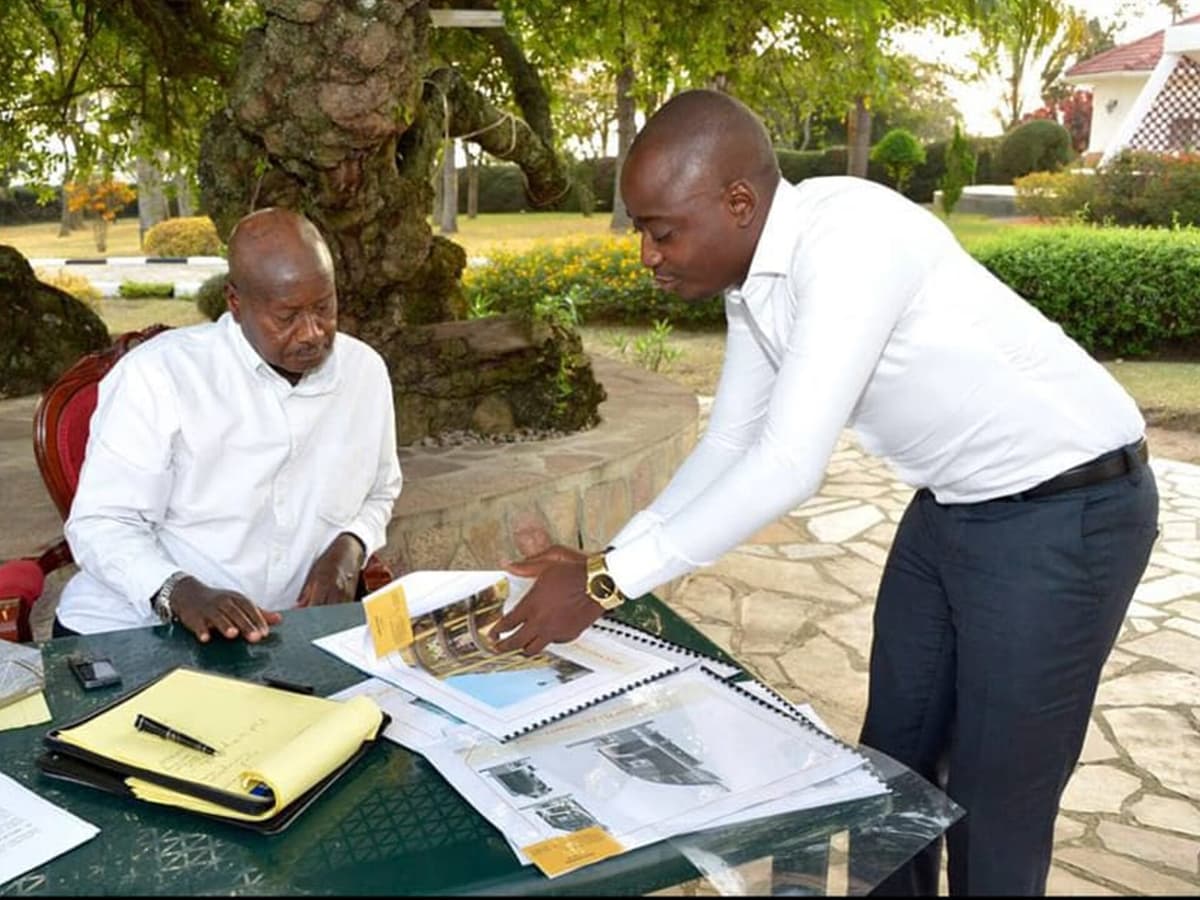
Gulu, August 29, 2026 - President Yoweri Museveni praised retired Lt. Gen. Charles Otema Awany as a torchbearer for peace in northern Uganda, highlighting the continuing political importance of stability in the Acholi subregion.
Otema's retirement closes four decades of military service, sacrifice and leadership. Leaders in northern Uganda urged him to use that experience to support rebuilding and transformation in the Acholi community.
The appeal reflects the enduring role of security leaders in post-conflict recovery, local reconciliation and regional development in northern Uganda.
For investors and policymakers, the message underscores Kampala's focus on consolidating peace in a region where stability remains central to infrastructure, agriculture and social investment.
Conclusion
Between August 16 and 31, 2026, Uganda entered a period defined by high-stakes diplomacy, accelerating pre-oil economic positioning, intensified anti-corruption enforcement, and a politically charged treason trial that dominated the rule-of-law agenda. The second half of the month confirmed that Kampala is simultaneously pursuing global visibility, industrial expansion, and tighter administrative control, while institutional frictions continue to shape execution risk.
Diplomacy and Political Consolidation: Uganda placed significant diplomatic capital behind Olara Otunnu's candidacy for United Nations Secretary-General, with cross-party support from figures including Bobi Wine and measurable gains in successive rounds of member-state consultations. At home, President Museveni reinforced executive authority through anti-corruption inspection tours, interventions in high-profile land disputes, and continued NRM consolidation, including the opening of the Adjumani West parliamentary race. The death of Tooro King Oyo and the subsequent mourning rites added a major cultural and regional stability dimension, with the government ordering an official burial and restricting palace access during the transition.
Economy, Energy and Industrial Transition: The approach of first oil remained the central macro narrative. EACOP neared completion with developers emphasizing environmental restoration, while analysts and civil society urged stronger methane controls before production begins. Industrial momentum was visible in the opening of Roofings Group's $125 million steel plant in Namanve, renewed plans for local currency printing, and targeted investment in iron ore processing. Fiscal and regulatory pressure also intensified: Parliament scrutinized Uganda Airlines audit queries, COSASE pursued microfinance loan write-offs, the government tightened tax-waiver rules, and automatic sanctions were set for budget-rule breaches. Land and title disputes, including the long-running NSSF-Temangalo case and suspension of special land titles, underscored persistent property-rights and enforcement risks for investors.
Justice, Accountability and Civic Space: The treason trial of Dr Kizza Besigye dominated the justice agenda, with prosecution witnesses presenting audio, video and cross-border elements allegedly tied to a plot against the presidency. Defense-team withdrawals, contested evidence quality, and procedural disputes kept the case at the center of national political debate. Parallel accountability actions included local-government interdictions affecting 110 staff, summonses over UHRC furniture spending, and probes into border-market and procurement disputes, including the Shs2 billion Parliament cafeteria contract.
Security and Institutional Renewal: The Uganda People's Defence Forces underwent notable personnel and command transitions, including the retirement of more than 1,800 personnel and leadership changes interpreted as part of a generational shift within the security establishment. Museveni's praise for Lt Gen Otema as a northern Uganda peace figure reinforced the army's political and regional role, while UPDF marine operations on Lake Victoria signaled continued attention to resource-related enforcement.
Social Policy and Service Delivery Pressures: Education and health systems faced structural strain, from UPE congestion and aging facilities to rising malaria deaths among schoolchildren and renewed debate over holiday teaching bans. Regulatory discussion expanded around alcohol, betting and high-risk venues, while university programme reviews and family-planning gaps in Karamoja highlighted ongoing social-policy execution challenges.
The narrative of late August 2026 portrays a country preparing for a resource-backed growth phase while managing deep governance, legal and institutional tests. Uganda's near-term outlook will depend on converting oil and infrastructure momentum into durable public value, resolving land and payroll enforcement bottlenecks, ensuring credible due process in politically sensitive trials, and maintaining security-sector stability during succession-sensitive transitions. Investors and policy observers should watch whether anti-corruption directives, fiscal discipline measures and pre-oil regulatory reforms translate into predictable institutional behavior across central and local government.
By Jeff Buleli
Related reading
Security - 31 August 2026
DRC And Congo-Brazzaville Move To De-Escalate Congo River Border Clash
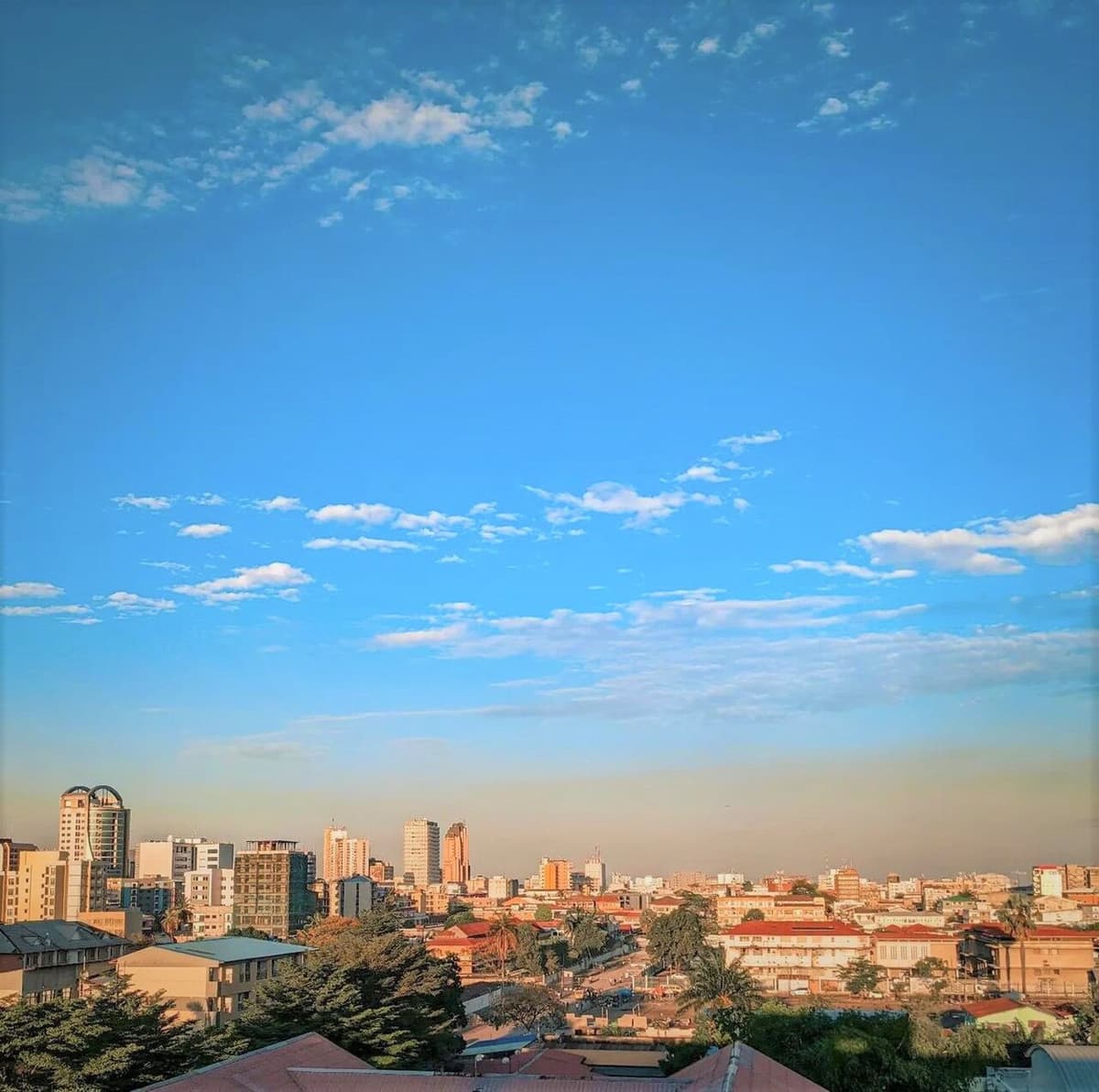
Kinshasa, August 31, 2026 - The DRC and Congo-Brazzaville moved to contain tensions after a fatal August 28 clash between FARDC troops and Congo-Brazzaville forces on the Congo River between Yumbi and Makotimpoko.
By Amina Kabasele - 3 min read

Security - 31 August 2026
Walikale Villages Empty As Fighting Spreads In Eastern DRC
Goma, August 31, 2026 - Multiple villages in the Waloa Loanda groupement of Walikale were emptied as fighting between the army and AFC/M23 forces spread from nearby Masisi and Kalehe zones, deepening humanitarian…
By Amina Kabasele - 3 min read
Security - 31 August 2026
Government Says Army Is Blocking AFC/M23 Expansion In Kivu
Kinshasa, August 31, 2026 - The government said the FARDC was systematically foiling AFC/M23 attempts to occupy additional territory in the Kivus, as fighting continued on multiple fronts.
By Amina Kabasele - 3 min read