
Security - 8 February 2026
Julien Paluku Accuses Rwanda of Targeting Congolese Minerals Behind the M23 Conflict
Kinshasa, February 8, 2026 - Julien Paluku: “The real FDLR that Kigali is after are Congolese minerals.” During the memorial day organized on Tuesday, January 27, at the Academy of Fine Arts in Kinshasa, the former governor of North Kivu and current Minister of Foreign Trade, Julien Paluku Kahongya, reiterated a strong position of the Congolese government: “The occupation of certain urban areas by the AFC/M23 rebels, supported by Rwanda, has not only a military dimension, but above all an economic one.”
A Strategy of Destruction and Seizure
Julien Paluku denounced what he calls Rwanda’s strategy of destroying the human capital and economic fabric of the DRC. According to him, behind the military offensives lies a logic of systematically plundering Congolese natural resources.
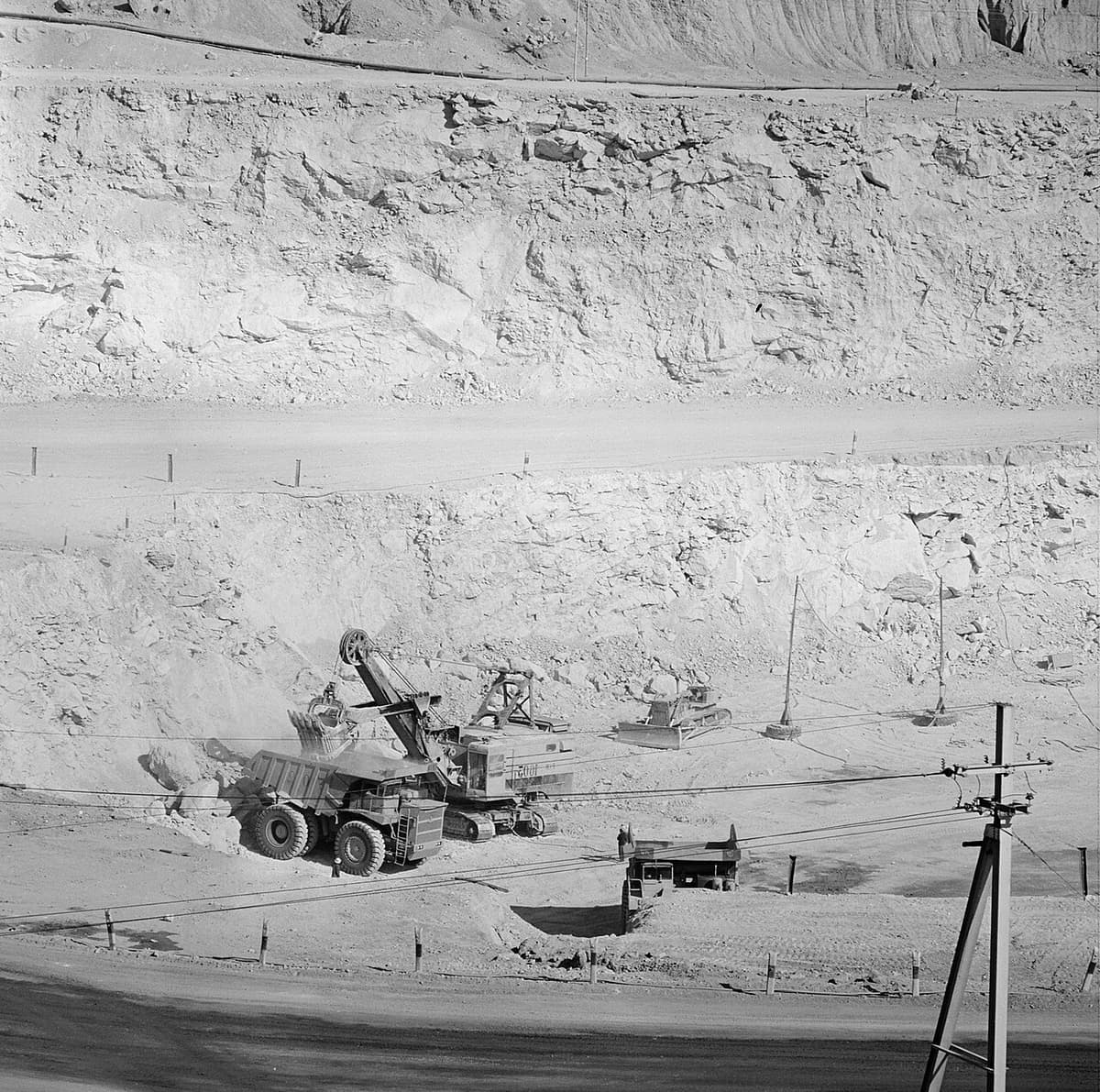
“The volume of mineral exports to Rwanda has increased from $70 million to $2 billion in one year, even though Rwanda does not possess any mineral deposits. The real FDLR he is pursuing in the DRC is Congolese minerals,” he stated.
This declaration highlights one of the central issues of the conflict: the transformation of Congolese minerals into foreign wealth, fueling a parallel economy that weakens the Congolese state and deprives local populations of the benefits of their own resources.
At both the UN and the African Union, President Félix Tshisekedi and the government repeatedly emphasize that the war waged in eastern DRC by “Rwanda via the AFC/M23” has economic aims through the plundering of mineral resources.
On February 18, 2025, during a press conference, the Minister of Mines, Kizito Pakabomba, accused Rwanda of costing the DRC more than $1 billion annually. He also warned of Rwanda’s goal of reaching over $2 billion by 2026 through the illegal exploitation of Congolese mines.
One Year After the Fall of Goma
Paluku's remarks were made during the commemoration of the first anniversary of the M23's capture of Goma. The Suminwa government sought to mark this date by paying tribute to the resilience and unity of the Congolese people in the face of occupation.
The Minister of Communication and Media, Patrick Muyaya, emphasized the refusal to forget or trivialize the war in the East, recalling that remembrance is "an act of governmental responsibility."
The Themes of the Commemoration
The day of remembrance was structured around four themes:
The humanitarian crisis: thousands of displaced persons and victims of violence.
The economic stakes: the plundering of minerals and the weakening of the productive sector.
Related reading
Security - 31 August 2026
DRC And Congo-Brazzaville Move To De-Escalate Congo River Border Clash
Kinshasa, August 31, 2026 - The DRC and Congo-Brazzaville moved to contain tensions after a fatal August 28 clash between FARDC troops and Congo-Brazzaville forces on the Congo River between Yumbi and Makotimpoko.
By Amina Kabasele - 3 min read
Security - 31 August 2026
Walikale Villages Empty As Fighting Spreads In Eastern DRC
Goma, August 31, 2026 - Multiple villages in the Waloa Loanda groupement of Walikale were emptied as fighting between the army and AFC/M23 forces spread from nearby Masisi and Kalehe zones, deepening humanitarian…
By Amina Kabasele - 3 min read
Security - 31 August 2026
Government Says Army Is Blocking AFC/M23 Expansion In Kivu
Kinshasa, August 31, 2026 - The government said the FARDC was systematically foiling AFC/M23 attempts to occupy additional territory in the Kivus, as fighting continued on multiple fronts.
By Amina Kabasele - 3 min read