
Security - 12 August 2026
Funding Cuts Raise Malnutrition Concerns Among Refugee Children
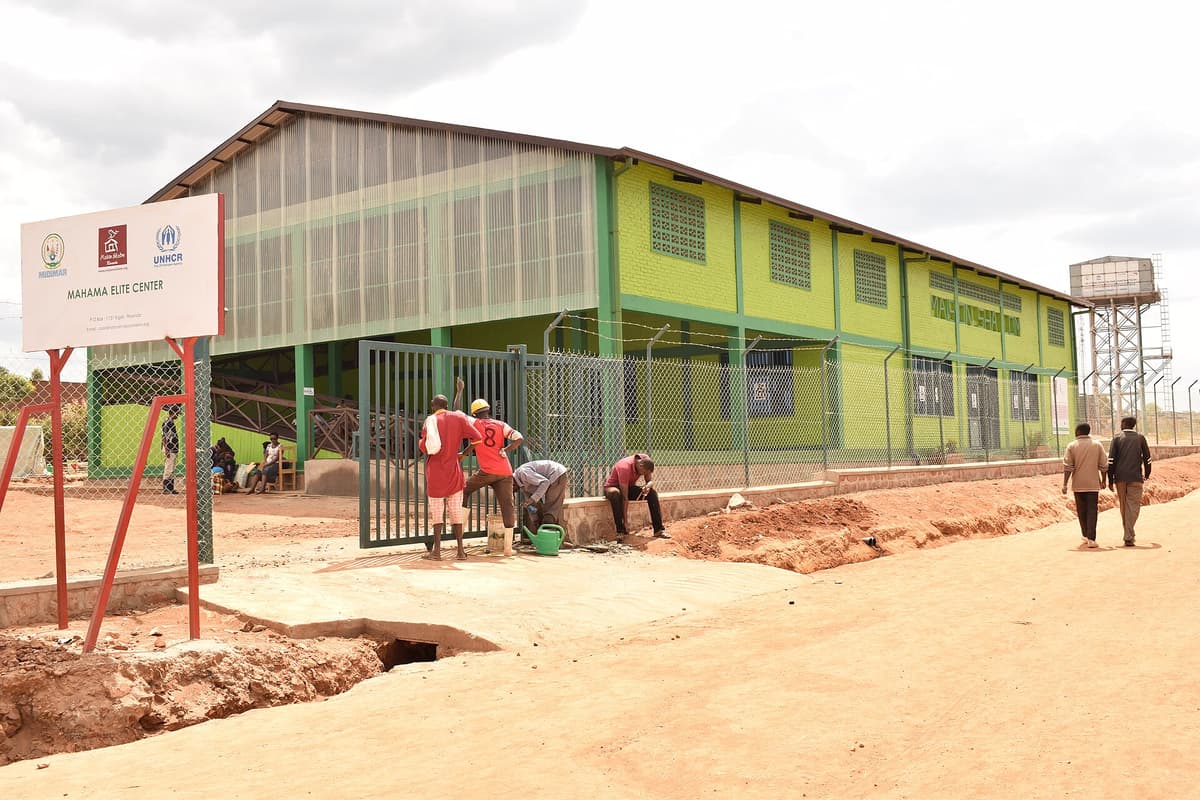
Kirehe, August 12, 2026 - Refugee families in Rwanda's Mahama camp are facing increased nutrition pressures after reductions in humanitarian funding, with mothers reporting that lower cash assistance and higher food prices have made it harder to feed children adequately.
The concerns were raised during the launch of World Breastfeeding Week at the camp on August 11. Refugees said household support had declined while the cost of basic food had risen, leaving some breastfeeding children showing signs of weight loss and malnutrition.
Muhoza Jacqueline said her family previously received Rwf10,000 per person but now struggles to afford nutritious food. She said her eight-month-old child, who weighed 4.9 kilograms at birth, now weighs about seven kilograms, while limited milk support has provided only partial relief.
Nyirangishuke Claudette, a mother of six, said her household allowance fell from Rwf8,600 to Rwf6,300 per person, affecting her children's nutrition. Medical officials at Mahama said the funding cuts have made it more difficult for vulnerable families to access adequate food.
Assistance providers, working with the Rwandan government, have begun distributing milk and semolina to affected families, particularly those with young children. Kirehe District authorities said they are also supporting vulnerable refugees with food assistance, livestock, access to land cultivation and income-generating skills to reduce dependence on aid.
Related reading
Security - 31 August 2026
DRC And Congo-Brazzaville Move To De-Escalate Congo River Border Clash
Kinshasa, August 31, 2026 - The DRC and Congo-Brazzaville moved to contain tensions after a fatal August 28 clash between FARDC troops and Congo-Brazzaville forces on the Congo River between Yumbi and Makotimpoko.
By Amina Kabasele - 3 min read
Security - 31 August 2026
Walikale Villages Empty As Fighting Spreads In Eastern DRC
Goma, August 31, 2026 - Multiple villages in the Waloa Loanda groupement of Walikale were emptied as fighting between the army and AFC/M23 forces spread from nearby Masisi and Kalehe zones, deepening humanitarian…
By Amina Kabasele - 3 min read
Security - 31 August 2026
Government Says Army Is Blocking AFC/M23 Expansion In Kivu
Kinshasa, August 31, 2026 - The government said the FARDC was systematically foiling AFC/M23 attempts to occupy additional territory in the Kivus, as fighting continued on multiple fronts.
By Amina Kabasele - 3 min read