
Security - 10 July 2026
From Stock Market Professional to Soldier
KIGALI, July 10, 2026 - Capt. Michael Nsengiyumva, a member of the Rwanda Defence Forces (RDF), has shared his journey from working in Rwanda’s financial sector to becoming a military officer, describing his decision to join the army as a commitment to serving the country.
Nsengiyumva, who has spent eight years in the military, said his path to the RDF began after graduating from university in 2016. Like many graduates, he searched for employment opportunities and was eventually recruited by the Rwanda Stock Exchange, where he worked in investment advisory services.
He said he enjoyed his work in finance, a field he had always been interested in, but a military recruitment announcement in early 2017 changed the direction of his career.
The announcement reminded him of his childhood, when he often saw soldiers marching in formation near his school. He said the discipline, confidence, and commitment of the soldiers inspired him and planted the idea that he could one day become one of them.
After applying and successfully passing the selection process, Nsengiyumva began military training in 2017, completing the program that enabled him to join the RDF.
Military Life and Values
Capt. Nsengiyumva said military life is similar to ordinary life, but soldiers carry an additional responsibility because they are trained to put national interests and citizens’ safety above personal interests.
He described discipline, courtesy, patience, perseverance, and commitment as some of the values that define military service.
According to him, soldiers must be prepared to sacrifice when necessary and remain focused on achieving assigned responsibilities.
From Finance to Defence
Reflecting on his transition from the financial sector to the military, Nsengiyumva said his previous career was successful and fulfilling, but joining the RDF offered him a greater opportunity to contribute to national development.
While working at the Rwanda Stock Exchange, he advised investors on financial decisions and investment opportunities. However, he said observing Rwanda’s military reputation at home and in international peacekeeping missions strengthened his desire to serve in uniform.
He highlighted the RDF’s role in peacekeeping operations in countries such as the Central African Republic and South Sudan as examples of how the army contributes beyond national borders.
The Challenge of Military Training
Nsengiyumva described cadet training as a process that transforms individuals by teaching discipline, teamwork, and endurance.
He said the training requires soldiers to move beyond personal comfort, adapt to strict schedules, follow instructions, and work effectively with others.
What once seemed impossible - such as operating for long hours with limited rest - eventually becomes part of a soldier’s routine through consistent training.
Advice to Young People
The RDF officer encouraged young people interested in joining the military, and youth generally, to develop strong values, set personal goals, and remain open to challenges.
He said young people should avoid destructive behaviors such as drug abuse and excessive alcohol consumption, which affect both individuals and national development.
He also urged youth to keep up with technological changes and continuously improve their skills in order to contribute to the country’s future.
Service Beyond War
Capt. Nsengiyumva said protecting national sovereignty does not only mean fighting wars. He explained that the RDF’s mission includes supporting citizens’ security and creating conditions where people can safely pursue activities such as agriculture, business, and other economic activities.
Currently serving in an administrative role at RDF headquarters, he said every soldier must remain ready to carry out responsibilities assigned by commanders.
Learning From Rwanda’s Liberation History
Nsengiyumva said Rwanda’s liberation history continues to inspire him, particularly the decision of President Paul Kagame and other liberation fighters to leave their lives abroad and engage in a difficult struggle that transformed the country.
He said this history motivates him to continue learning, serving, and contributing to Rwanda’s progress.
As Rwanda marks more than three decades since the liberation struggle, he said younger generations have a responsibility to protect the country’s achievements and contribute to building its future.
“Every young person should feel that they have a role to play in building the country,” he said, emphasizing patriotism, responsibility, and readiness to serve when needed.
Related reading
Security - 31 August 2026
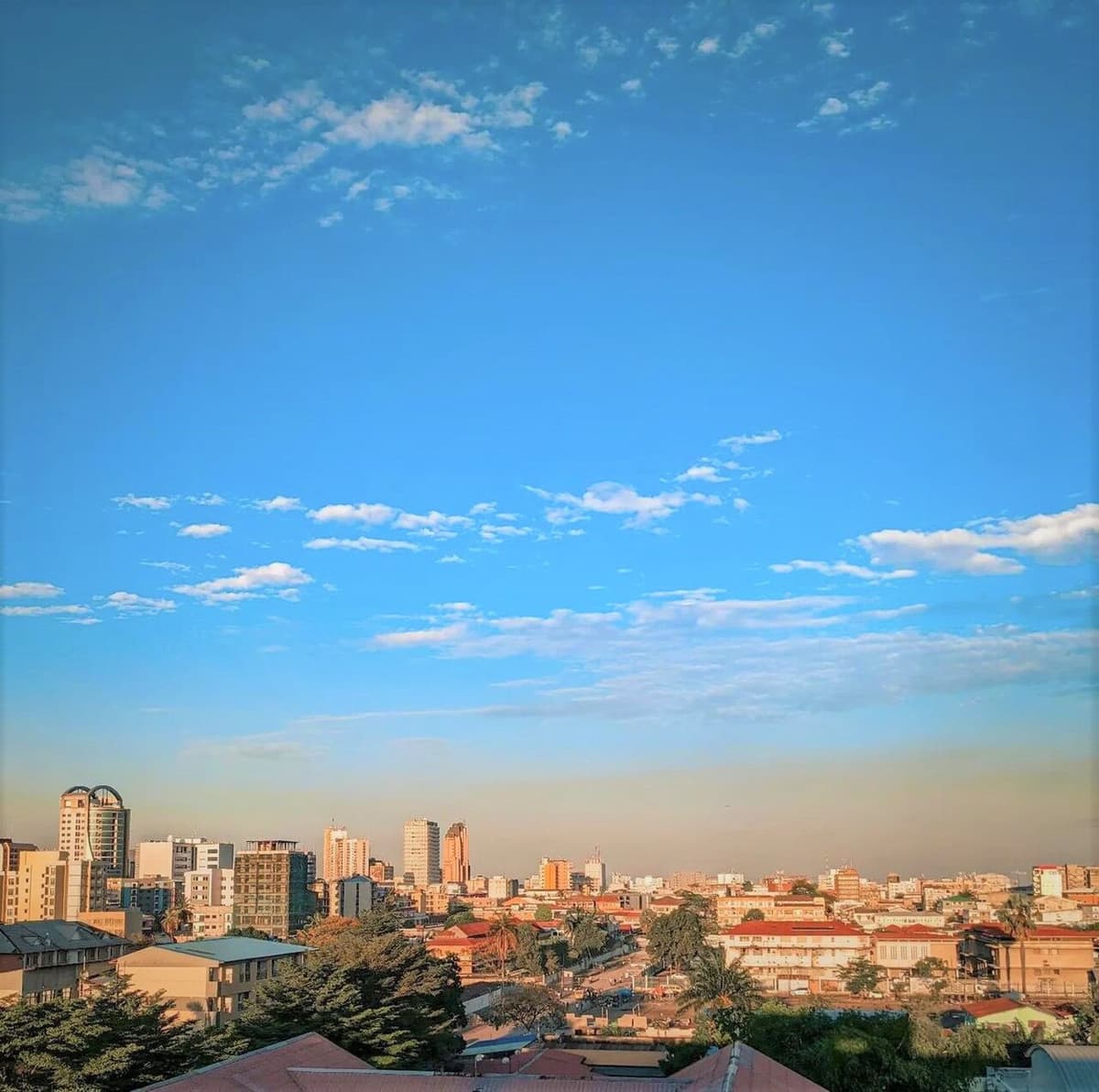
DRC And Congo-Brazzaville Move To De-Escalate Congo River Border Clash
Kinshasa, August 31, 2026 - The DRC and Congo-Brazzaville moved to contain tensions after a fatal August 28 clash between FARDC troops and Congo-Brazzaville forces on the Congo River between Yumbi and Makotimpoko.
By Amina Kabasele - 3 min read
Security - 31 August 2026
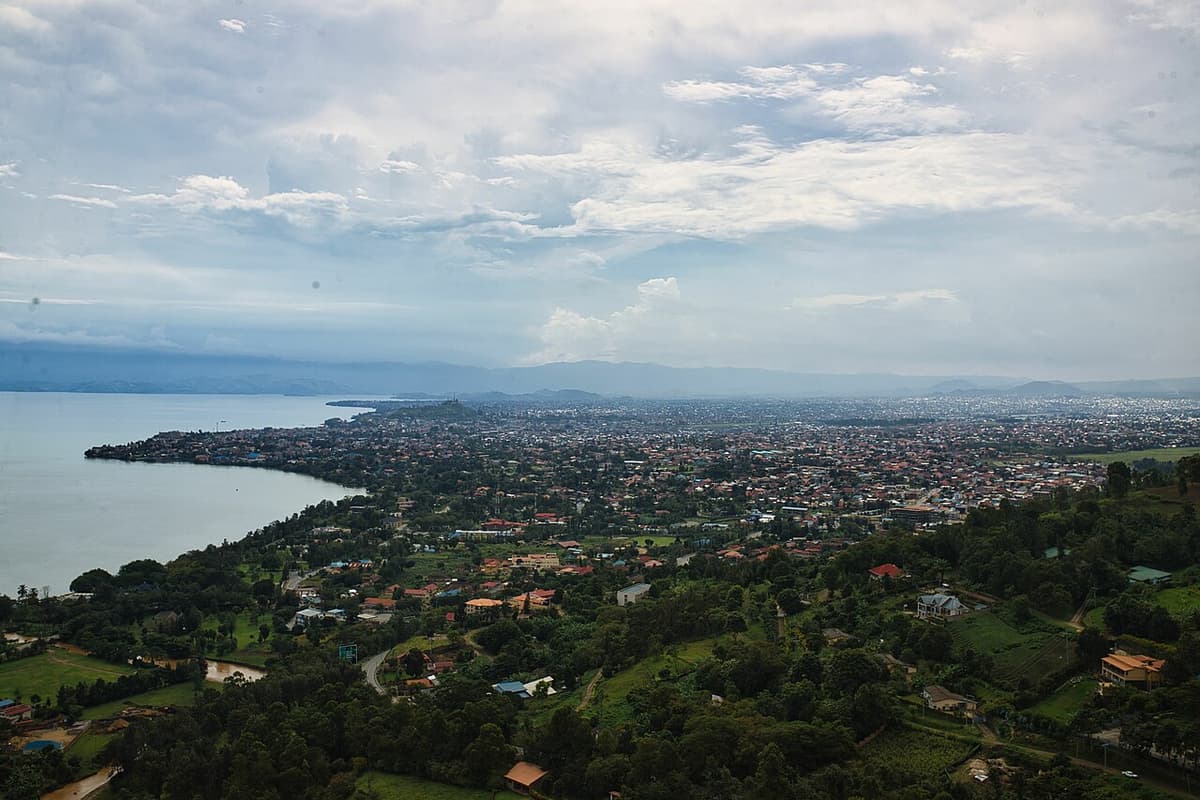
Walikale Villages Empty As Fighting Spreads In Eastern DRC
Goma, August 31, 2026 - Multiple villages in the Waloa Loanda groupement of Walikale were emptied as fighting between the army and AFC/M23 forces spread from nearby Masisi and Kalehe zones, deepening humanitarian…
By Amina Kabasele - 3 min read
Security - 31 August 2026
Government Says Army Is Blocking AFC/M23 Expansion In Kivu
Kinshasa, August 31, 2026 - The government said the FARDC was systematically foiling AFC/M23 attempts to occupy additional territory in the Kivus, as fighting continued on multiple fronts.
By Amina Kabasele - 3 min read