
Security - 28 November 2025
FDLR Ex-Leader Reveals Group’s Ties to Minerals and DRC Military Support
Kigali, November 28, 2025 - Lt Col Mpakaniye Emilien, alias Che Guevara Jacob, a former leader in the Democratic Forces for the Liberation of Rwanda (FDLR), has confirmed the role of both the FDLR and the Congolese army in mineral exploitation and the ongoing conflict in eastern Democratic Republic of Congo (DRC). His testimony sheds light on the illicit networks that have sustained the group’s operations for years.
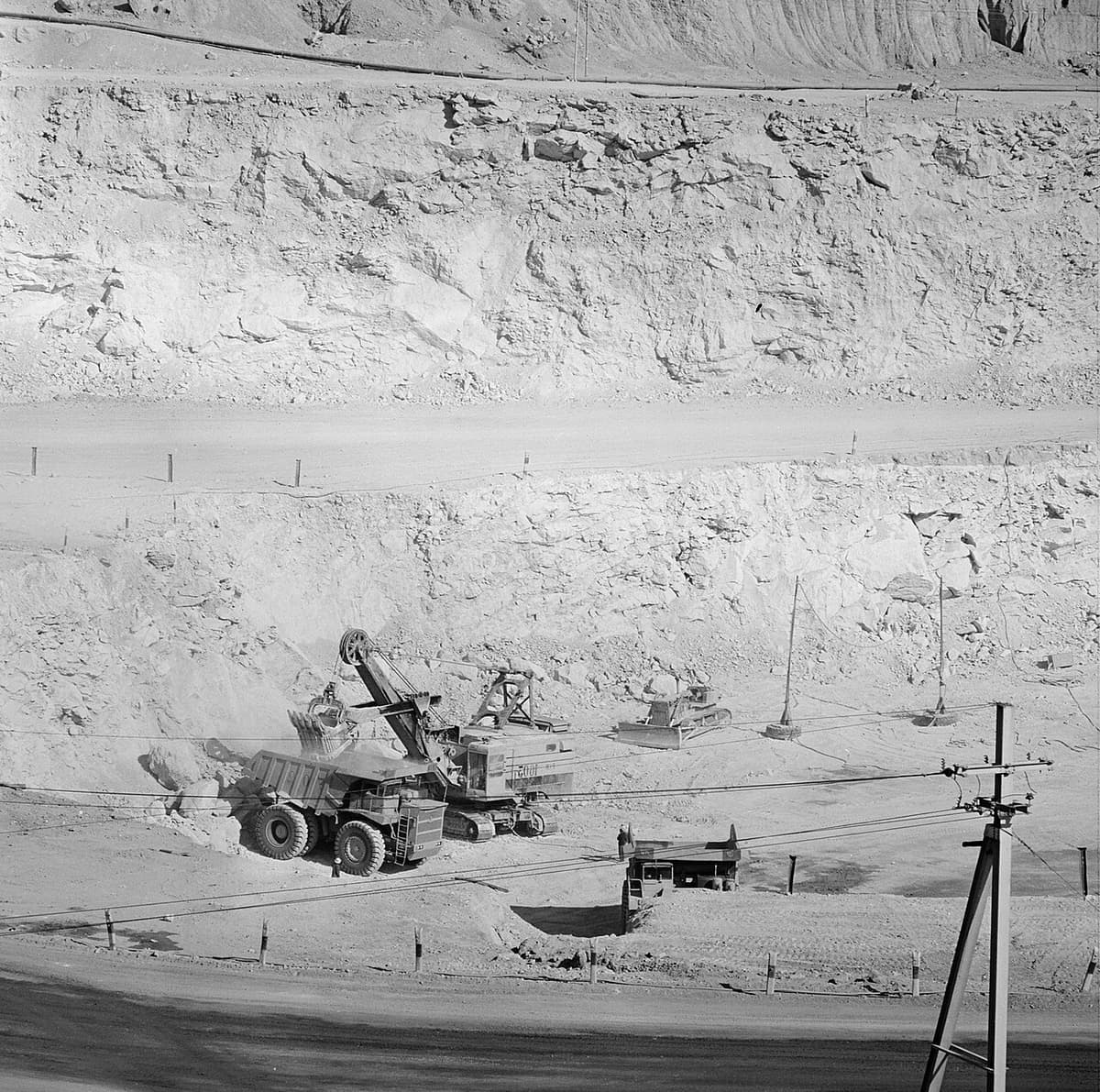
Addressing military advisors from several embassies visiting Rwanda, Mpakaniye explained that between 2008 and 2010, he oversaw the FDLR’s mineral trade operations. He said the group collaborated with Congolese civilians and soldiers to extract precious minerals from mines in Rubaya and Bisie in Walikale, South Kivu, which were then sold to finance weapons purchases.
“That’s how the FDLR survived,” Mpakaniye said. “Selling precious stones allowed us to buy weapons and sustain the war, and the proceeds were also used for basic livelihoods. This illegal trade became a powerful instrument in the FDLR’s conflict.”
Mpakaniye asserted that the FDLR’s continued existence depends on support from the DRC government. He claimed that the FARDC (DRC army) provides weapons and ammunition to the group, both for operations in eastern DRC and for attacks against Rwanda.
“If the DRC government did not work with the FDLR, the FDLR would cease to exist,” he said. “The FARDC says the FDLR is helping fight the enemy, but they are also providing resources to attack Rwanda.”
He stressed that this information is not based solely on his personal experience but is corroborated by multiple reports, including investigations by United Nations experts.
After voluntarily returning to Rwanda, Mpakaniye described a dramatic change in perspective. Upon arriving at the Mutobo rehabilitation camp, he realized that the FDLR’s justification for attacking Rwanda was based on false narratives.
“I thought the FDLR had a legitimate reason to fight Rwanda, but after returning home, I saw that the group lied to us. Rwanda welcomed us, gave us resources, and helped us start a new life,” he said.
The Mutobo camp provides training and support for former fighters, aiming to reintegrate them into civilian life and remove the violent ideology they were taught in the forests of eastern DRC.
As of June 2025, the FDLR reportedly consisted of 7,000 to 10,000 fighters, with top leaders including Lt Gen Byiringiro Victor and Pacifique Ntawungua (“Gen Omega”) still operating in the mineral-rich Walikale territory. This region is known for deposits of Gasegereti, Coltan, and Wolfram, which have long been a source of illicit funding for armed groups.
Mpakaniye’s testimony underscores the complex interplay between rebel groups, state actors, and the mineral economy in the eastern DRC, highlighting the challenges of regional security and the efforts Rwanda has undertaken to rehabilitate former combatants peacefully.
Related reading
Security - 31 August 2026
DRC And Congo-Brazzaville Move To De-Escalate Congo River Border Clash
Kinshasa, August 31, 2026 - The DRC and Congo-Brazzaville moved to contain tensions after a fatal August 28 clash between FARDC troops and Congo-Brazzaville forces on the Congo River between Yumbi and Makotimpoko.
By Amina Kabasele - 3 min read
Security - 31 August 2026
Walikale Villages Empty As Fighting Spreads In Eastern DRC
Goma, August 31, 2026 - Multiple villages in the Waloa Loanda groupement of Walikale were emptied as fighting between the army and AFC/M23 forces spread from nearby Masisi and Kalehe zones, deepening humanitarian…
By Amina Kabasele - 3 min read
Security - 31 August 2026
Government Says Army Is Blocking AFC/M23 Expansion In Kivu
Kinshasa, August 31, 2026 - The government said the FARDC was systematically foiling AFC/M23 attempts to occupy additional territory in the Kivus, as fighting continued on multiple fronts.
By Amina Kabasele - 3 min read