
Security - 6 July 2026
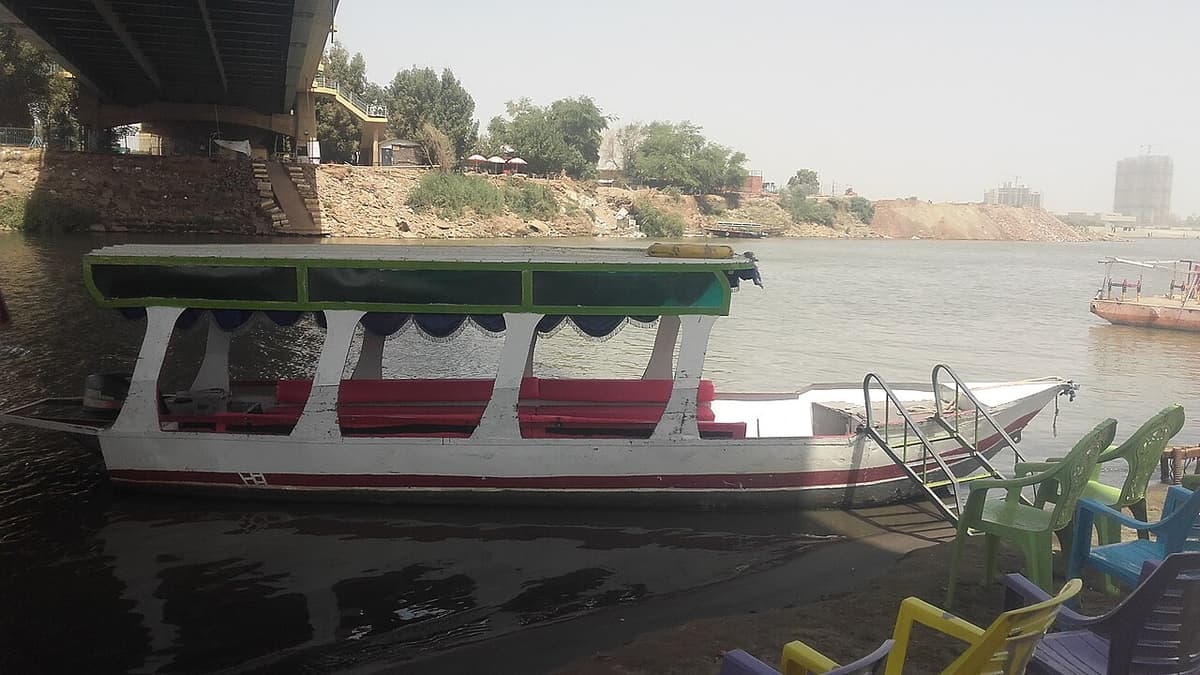
El Obeid Water Crisis Deepens as War Disrupts Supply Networks
EL OBEID, July 6, 2026 - A severe water crisis is worsening in El Obeid as prolonged fighting, drone strikes, and power outages disrupt the city's main water supply systems, leaving millions of residents struggling to access clean drinking water.
The capital of North Kordofan State has faced months of siege-like conditions, with recent attacks on critical infrastructure damaging electricity facilities and forcing the shutdown of major municipal water stations. The loss of power has affected the operation of water pumps, cutting off many neighborhoods from regular water supplies.
The city's two main water sources have been severely affected. The Al-Sidr basin to the south has been repeatedly targeted in attacks against utility infrastructure, while the Bara basin to the north remains inaccessible due to security conditions.
The water shortage comes as El Obeid experiences significant population pressure. The city's population has increased dramatically due to the arrival of large numbers of displaced people fleeing violence in other parts of Sudan, with many families now living in overcrowded camps or hosted by local communities.
Residents say the price of drinking water has sharply increased in recent weeks, forcing vulnerable households to either depend on expensive water deliveries or turn to unsafe sources. The situation has placed additional pressure on families already facing food shortages and rising living costs.
To respond to the emergency, local authorities and humanitarian partners have launched emergency water distribution efforts, deploying mobile water tankers to affected areas and supporting communities with limited access to essential supplies.
Authorities have also started a plan to expand alternative water sources, including drilling dozens of new wells, rehabilitating existing wells, and installing additional emergency water systems. Several new wells have already been completed as part of efforts to reduce dependence on damaged infrastructure.
Humanitarian groups warn that continued shortages of clean water, combined with fuel constraints and disrupted supply routes, could trigger a major public health emergency. The risk of waterborne diseases is increasing as thousands of residents remain trapped in difficult conditions amid the ongoing conflict.
Related reading
Security - 31 August 2026
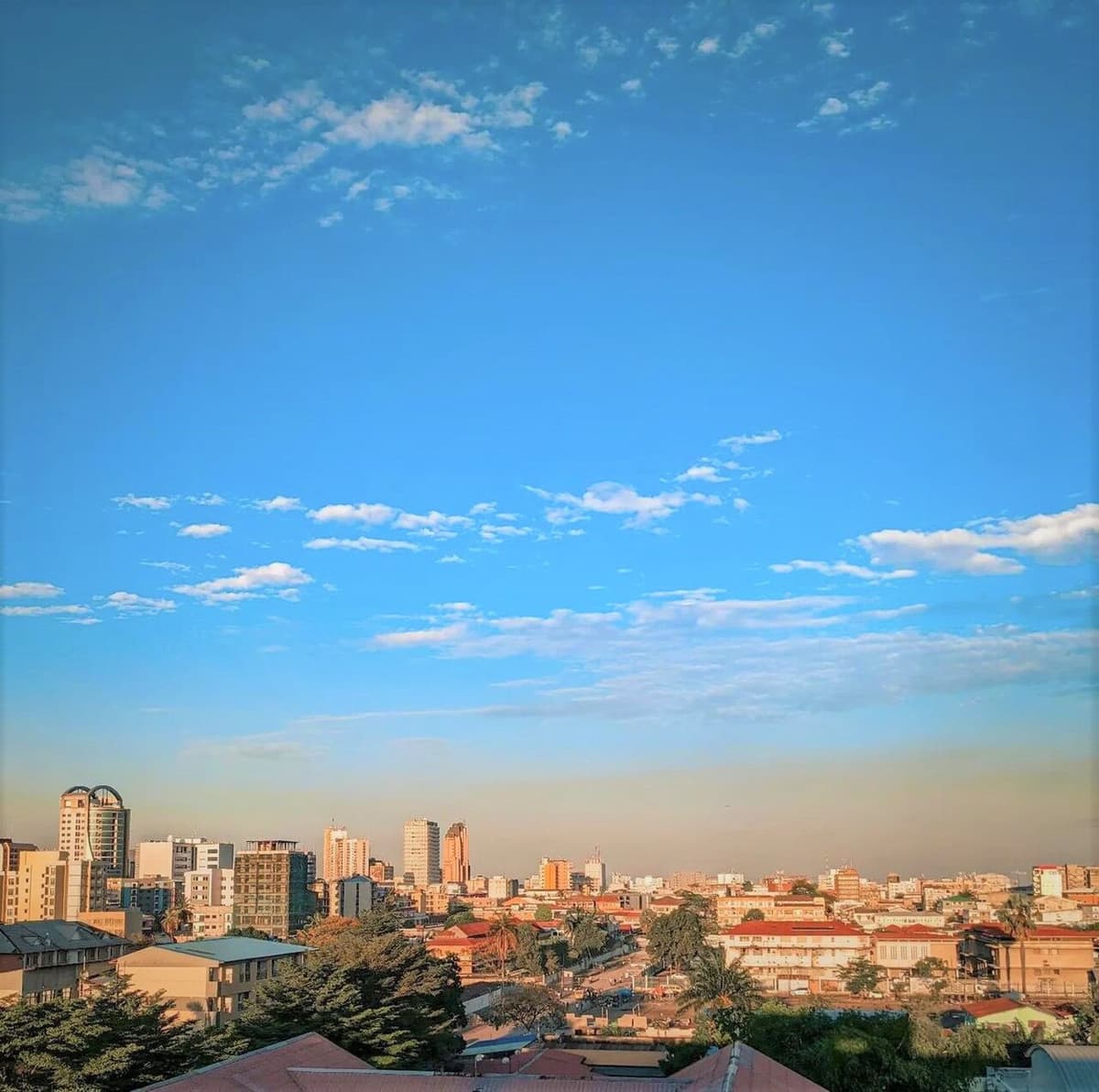
DRC And Congo-Brazzaville Move To De-Escalate Congo River Border Clash
Kinshasa, August 31, 2026 - The DRC and Congo-Brazzaville moved to contain tensions after a fatal August 28 clash between FARDC troops and Congo-Brazzaville forces on the Congo River between Yumbi and Makotimpoko.
By Amina Kabasele - 3 min read
Security - 31 August 2026
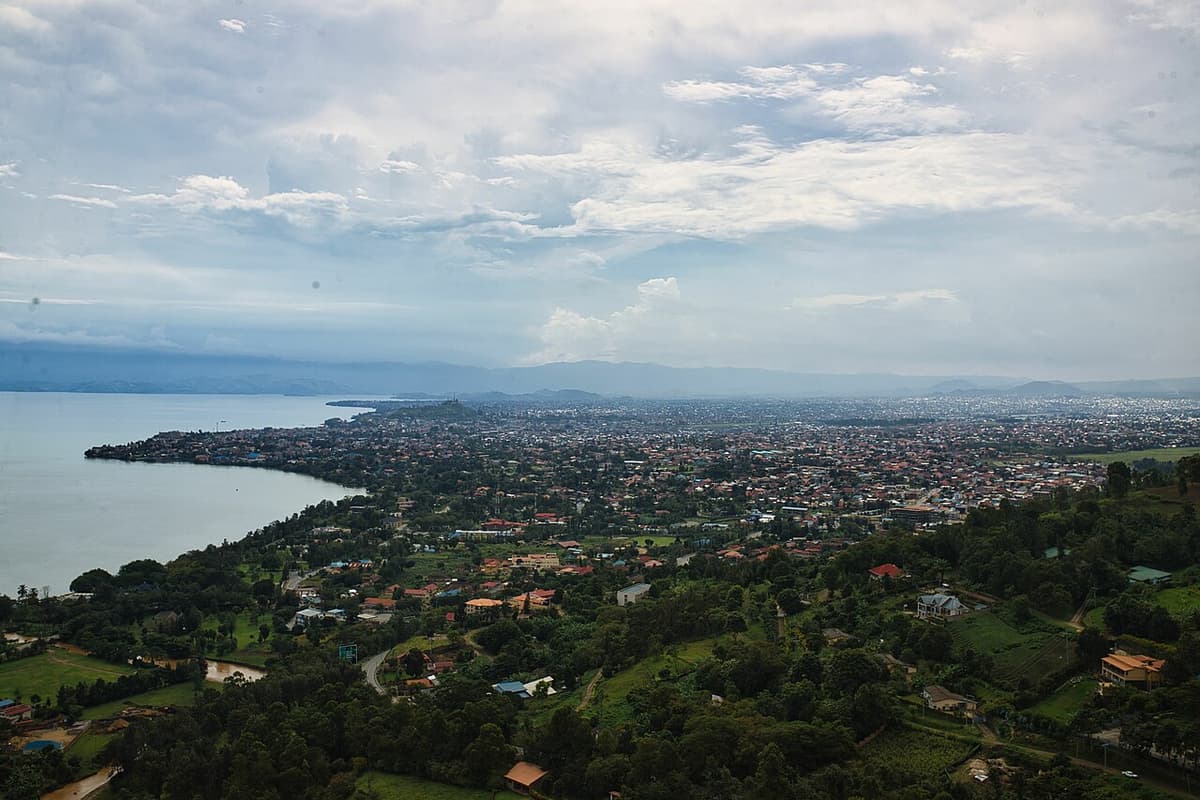
Walikale Villages Empty As Fighting Spreads In Eastern DRC
Goma, August 31, 2026 - Multiple villages in the Waloa Loanda groupement of Walikale were emptied as fighting between the army and AFC/M23 forces spread from nearby Masisi and Kalehe zones, deepening humanitarian…
By Amina Kabasele - 3 min read
Security - 31 August 2026
Government Says Army Is Blocking AFC/M23 Expansion In Kivu
Kinshasa, August 31, 2026 - The government said the FARDC was systematically foiling AFC/M23 attempts to occupy additional territory in the Kivus, as fighting continued on multiple fronts.
By Amina Kabasele - 3 min read