

Security - 11 January 2026
DRC Conflict: AFC/M23 Criticizes Tshisekedi’s Government for Blaming International
Kinshasa, January 2, 2026 - The AFC/M23 Alliance has sharply criticized President Félix Tshisekedi’s government for attributing the Democratic Republic of the Congo’s ongoing insecurity to foreign actors, calling it a tactic to hide domestic failures.
Political Coordinator Corneille Nangaa said the Kinshasa administration is attempting to shift responsibility for killings, massacres, corruption, ethnic conflicts, urban crime, poverty, and other systemic issues onto the international community instead of addressing the root causes.
“The problems that exist are the Congolese themselves. Trying to blame them on the international community is to focus on the symptoms of the disease without addressing the root of the problem. It is a hypocritical plan by the Kinshasa regime to hide the failure of its government,” Nangaa stated.
He added that efforts to petition other countries will not solve the country’s structural problems, and that the AFC/M23’s approach emphasizes transparency, truth, accountability, and justice.
Nangaa underscored that the movement’s goal is not revenge, but a lasting solution for the Congolese people, based on reconciliation, unity, non-discrimination, and law enforcement.
“The time for deception, lies, and false promises is over. From now on, the Congolese stand firm, determined and with great will. The year 2026 will be the year to strengthen our struggle for liberation, justice, peace, and the reconstruction of the State,” he said.
He also confirmed that Doha-facilitated talks between the DRC government and AFC/M23 have failed to yield a viable solution, and noted that the Tshisekedi administration has refused further negotiations, whether in person or virtually.
This statement highlights the deepening mistrust between the Congolese government and the AFC/M23 Alliance, raising concerns over the prospects for peace and stability in eastern DRC.
Related reading
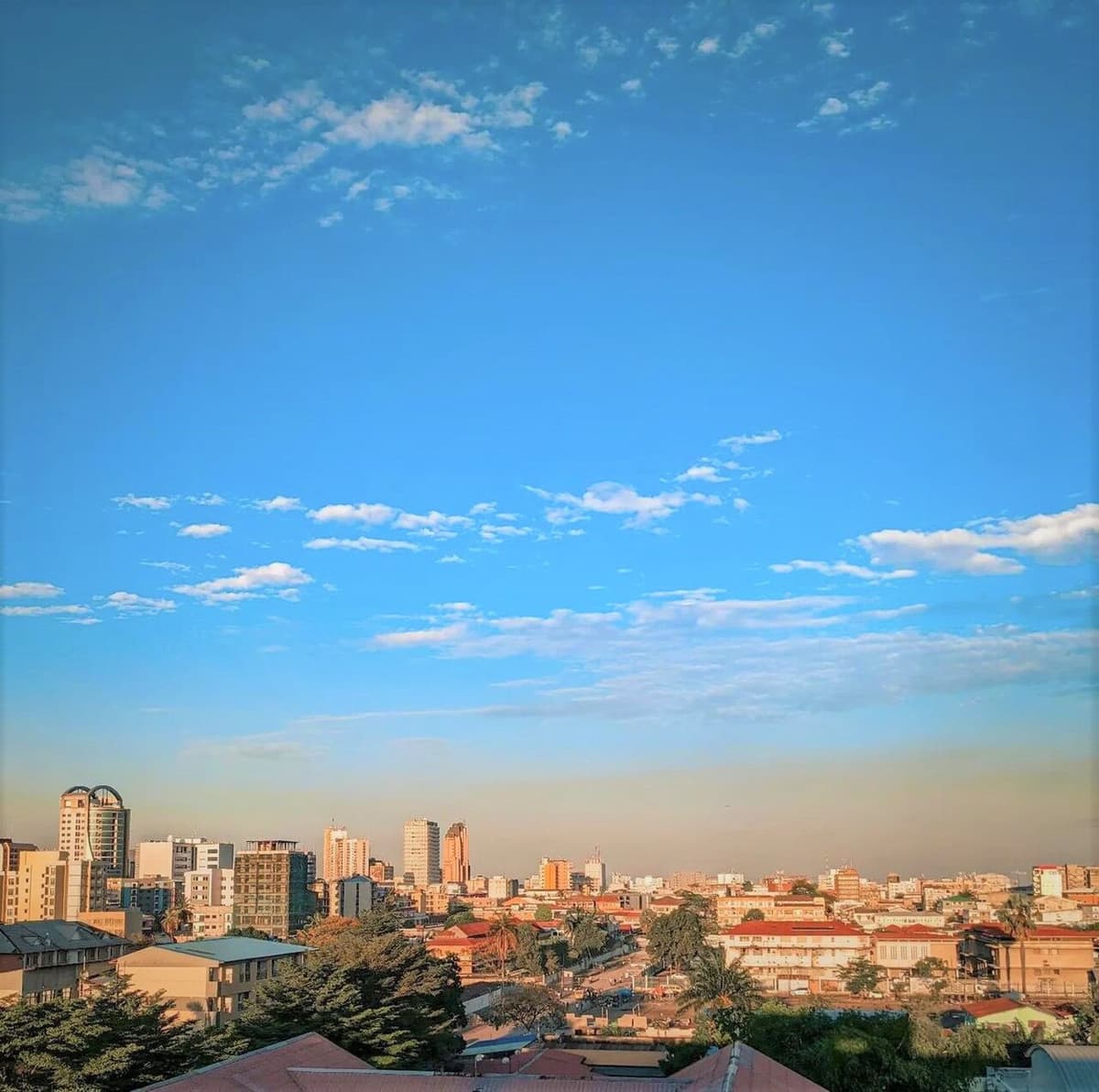
Security - 31 August 2026
DRC And Congo-Brazzaville Move To De-Escalate Congo River Border Clash
Kinshasa, August 31, 2026 - The DRC and Congo-Brazzaville moved to contain tensions after a fatal August 28 clash between FARDC troops and Congo-Brazzaville forces on the Congo River between Yumbi and Makotimpoko.
By Amina Kabasele - 3 min read
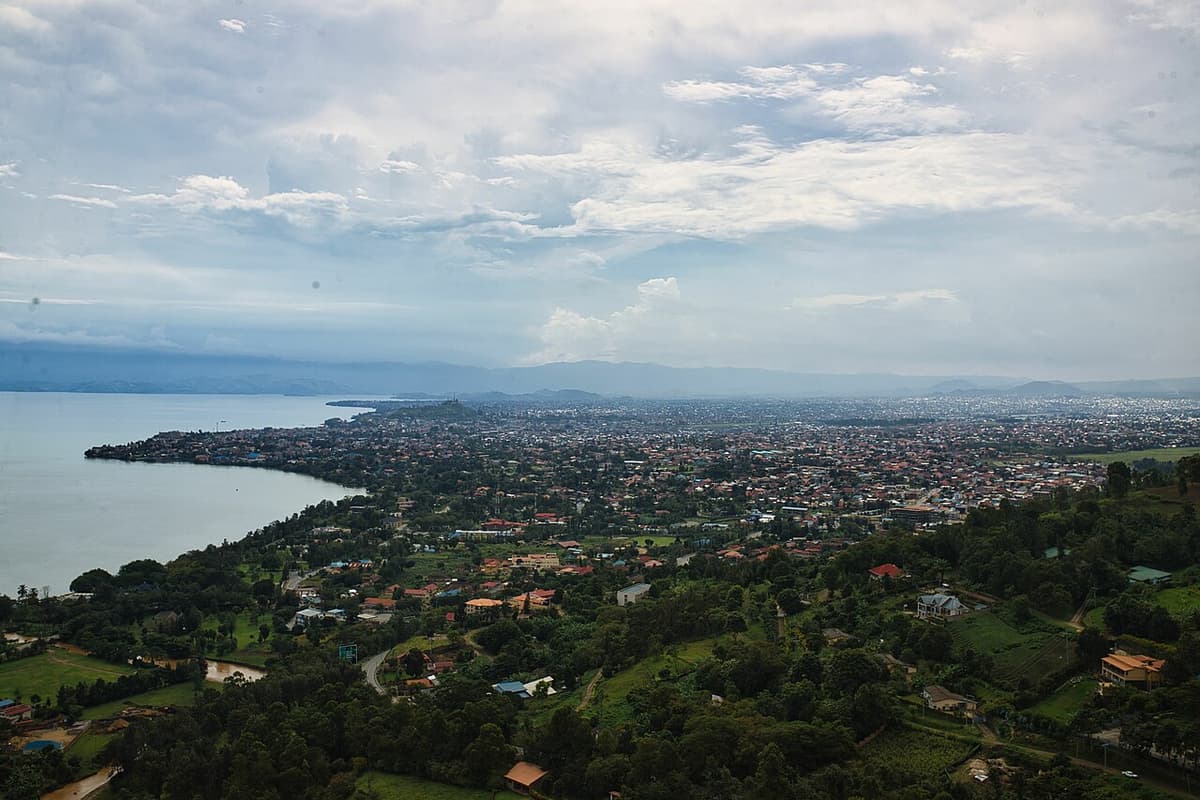
Security - 31 August 2026
Walikale Villages Empty As Fighting Spreads In Eastern DRC
Goma, August 31, 2026 - Multiple villages in the Waloa Loanda groupement of Walikale were emptied as fighting between the army and AFC/M23 forces spread from nearby Masisi and Kalehe zones, deepening humanitarian…
By Amina Kabasele - 3 min read
Security - 31 August 2026
Government Says Army Is Blocking AFC/M23 Expansion In Kivu
Kinshasa, August 31, 2026 - The government said the FARDC was systematically foiling AFC/M23 attempts to occupy additional territory in the Kivus, as fighting continued on multiple fronts.
By Amina Kabasele - 3 min read