
Security - 8 March 2026
DRC-Burundi Border Reopens After Two Months of Closure
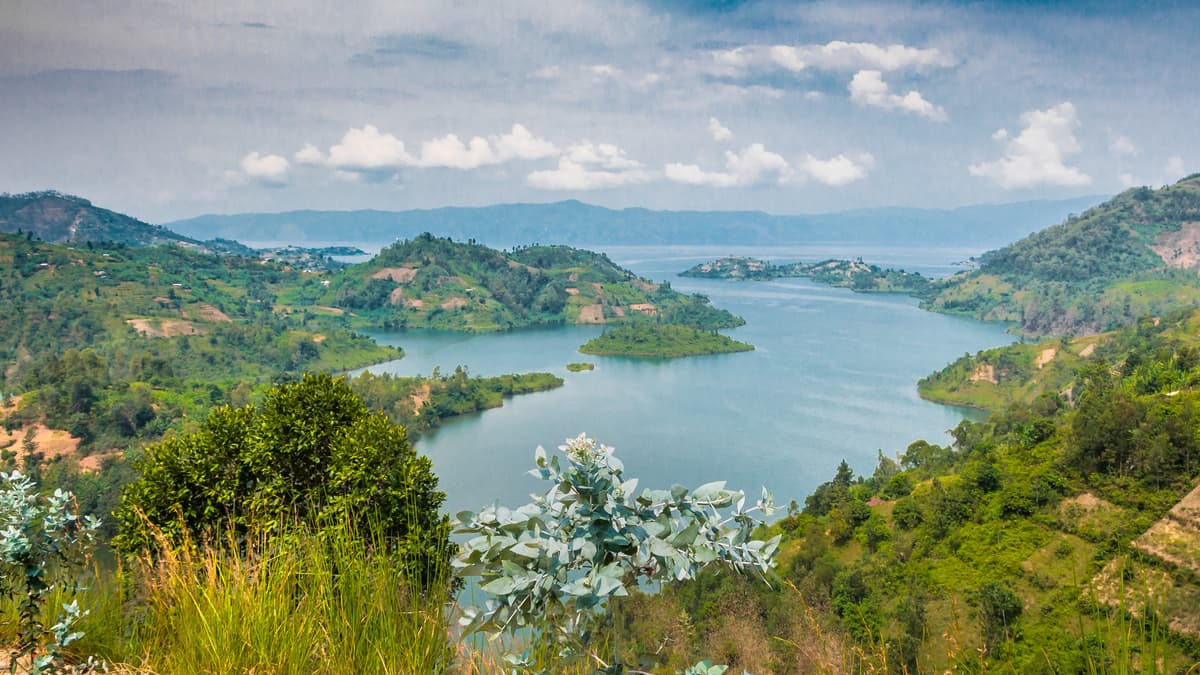
Uvira, March 8, 2026 - The Gatumba-Kavimvira border crossing between the Democratic Republic of Congo and Burundi officially reopened on Monday, February 23, restoring the movement of travelers and traders after more than two months of closure linked to the AFC/M23 conflict in eastern Congo.
The crossing connects the Congolese city of Uvira with Gatumba in Burundi, a strategic point for cross-border trade and daily travel between the two neighboring countries.
The border had been closed by Burundian authorities on December 10, 2025, shortly after AFC/M23 rebels seized control of Uvira, a development that heightened security concerns along the frontier.
Reopening Without Formal Ceremony
The resumption of activities at the border took place without an official ceremony, as authorities on both sides agreed to immediately allow the passage of travelers.
Migration officials confirmed that standard administrative procedures remain in place, requiring travelers to present valid visas and travel documents.
The border post will operate daily from 8:00 a.m. to 5:00 p.m., according to migration authorities.
Relief Among Border Communities
The reopening sparked relief and renewed hope among residents and traders who depend on the crossing for their livelihoods and daily commerce.
For many small-scale traders, the closure had severely disrupted cross-border economic activities, particularly trade between Uvira and the Burundian capital, Bujumbura.
With the border now open again, traders and travelers began resuming their movements, signaling a gradual return to normal economic life in the region.
Strategic Border for Regional Trade
The Gatumba-Kavimvira crossing is one of the most important border points between the DRC and Burundi, facilitating the movement of goods, traders, and travelers every day.
Its reopening is expected to revive cross-border trade, which plays a crucial role in supporting local economies on both sides of the frontier.
Authorities hope that the reopening will contribute to easing tensions and restoring economic stability, although the security situation in eastern DRC remains fragile amid ongoing armed conflicts in the region.
Related reading
Security - 31 August 2026
DRC And Congo-Brazzaville Move To De-Escalate Congo River Border Clash
Kinshasa, August 31, 2026 - The DRC and Congo-Brazzaville moved to contain tensions after a fatal August 28 clash between FARDC troops and Congo-Brazzaville forces on the Congo River between Yumbi and Makotimpoko.
By Amina Kabasele - 3 min read
Security - 31 August 2026
Walikale Villages Empty As Fighting Spreads In Eastern DRC
Goma, August 31, 2026 - Multiple villages in the Waloa Loanda groupement of Walikale were emptied as fighting between the army and AFC/M23 forces spread from nearby Masisi and Kalehe zones, deepening humanitarian…
By Amina Kabasele - 3 min read
Security - 31 August 2026
Government Says Army Is Blocking AFC/M23 Expansion In Kivu
Kinshasa, August 31, 2026 - The government said the FARDC was systematically foiling AFC/M23 attempts to occupy additional territory in the Kivus, as fighting continued on multiple fronts.
By Amina Kabasele - 3 min read