
Security - 11 January 2026
DRC: 73rd Ordinary Cabinet Meeting Focuses on Security and Economic Priorities for 2026
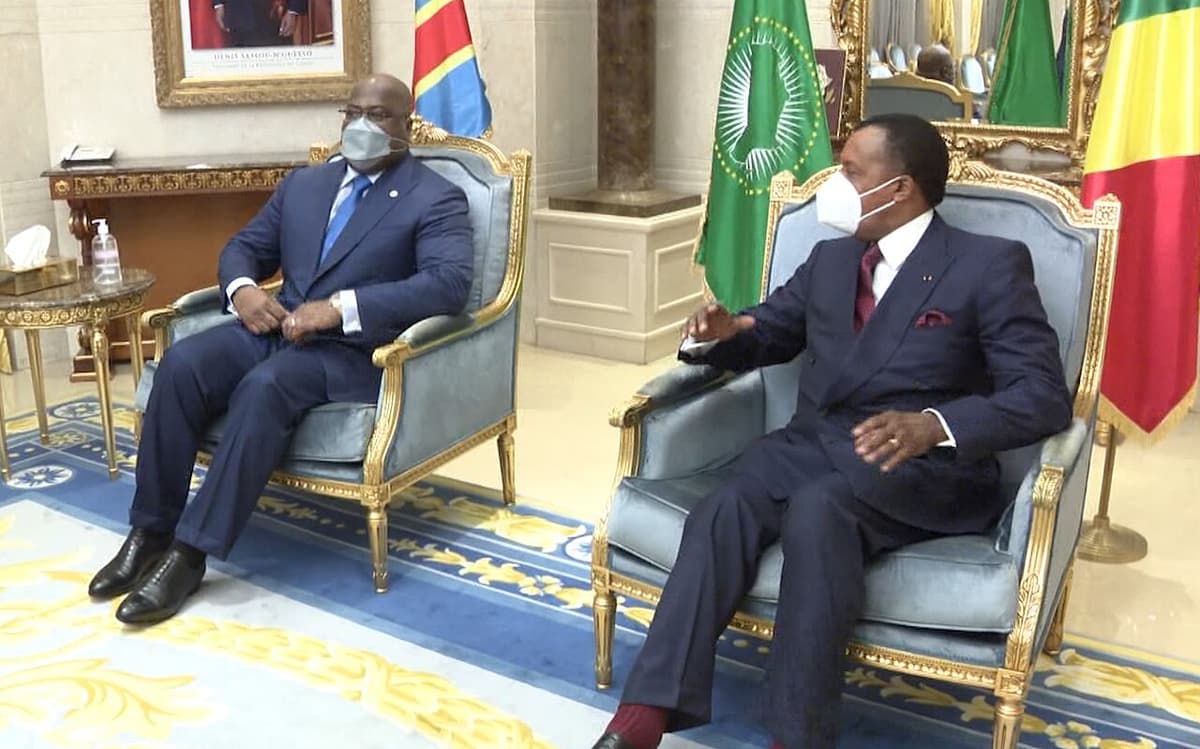
Kinshasa, January 2, 2026 - Amid persistent tensions in the eastern provinces and as the Democratic Republic of the Congo begins its term on the United Nations Security Council, President Félix Antoine Tshisekedi Tshilombo on Friday chaired the 73rd ordinary meeting of the Council of Ministers at the African Union City in Kinshasa.
The government briefing, delivered by the Minister of Communication and Media and government spokesperson Patrick Muyaya Katembwe, outlined the main discussions of the session, which centered on security challenges, economic recovery, and institutional reforms expected to shape the country’s agenda in 2026.
Presidential address: security vigilance and diplomatic engagement
Opening the meeting, President Tshisekedi focused on national sovereignty and the deteriorating security situation in eastern DRC. He strongly condemned repeated ceasefire violations attributed to various armed coalitions, including national forces, militias, and external actors, echoing recent accusations made by the AFC/M23.
The Head of State warned of serious risks facing civilian populations, including Congolese Tutsi communities, and called for urgent international action. He also welcomed the DRC’s new mandate as a non-permanent member of the UN Security Council for 2026-2027, describing it as a strategic opportunity to influence regional security dynamics, particularly ongoing diplomatic efforts involving Rwanda under international facilitation.
President Tshisekedi further stressed the need for deep state reforms in 2026, with priority given to strengthening the justice system, consolidating institutions, and intensifying the fight against corruption in response to governance shortcomings observed in 2025.
Prime Minister’s intervention: assessment and outlook of government action
Prime Minister Judith Suminwa Tuluka presented an update on the implementation of the Government Action Program (2024-2028). She announced that a comprehensive evaluation of government performance would begin in January 2026, with the aim of adjusting priorities to improve effectiveness.
Key highlights included:
Industrialization and economic transformation: Particular emphasis was placed on the Maluku Special Economic Zone, where recent assessments have helped define an industrial roadmap focused on large-scale job creation and economic diversification through local processing of natural resources.
Rural and social development: The government plans to reinforce support for farmers, expand access to low-interest loans for young people and women, and allocate 10% of locally generated revenues to programs targeting these groups.
The Prime Minister also pointed to improved fiscal performance, with tax pressure nearing the African average, while calling for a broader tax base to finance critical infrastructure in roads, energy, and transport.
Information briefings: security, health, and the economy
Several sectoral updates were presented to the Council:
Security: The Minister of Defense reported ongoing military operations against armed groups in Ituri, North Kivu, and South Kivu, including air strikes and actions targeting rebel coalitions. Authorities raised concerns over continued massacres and population displacement, reaffirming the government’s commitment to restoring state authority in occupied areas.
Health and environment: Ministers reviewed the response to ongoing epidemics, including cholera and measles, and urged continued vigilance in the post-Covid context. Discussions also covered cybersecurity and data protection, with plans for the establishment of a national agency.
Related reading
Security - 31 August 2026
DRC And Congo-Brazzaville Move To De-Escalate Congo River Border Clash
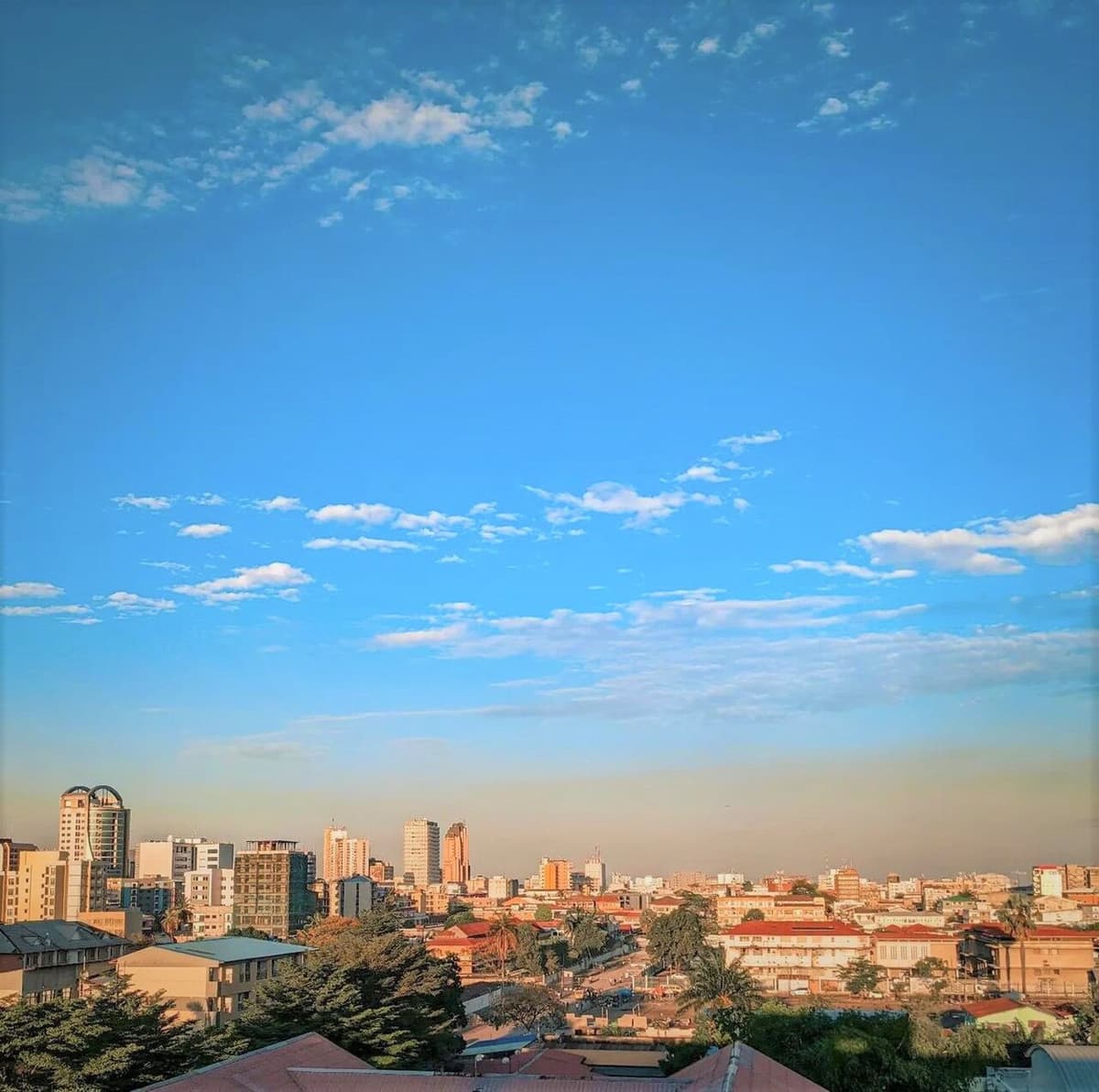
Kinshasa, August 31, 2026 - The DRC and Congo-Brazzaville moved to contain tensions after a fatal August 28 clash between FARDC troops and Congo-Brazzaville forces on the Congo River between Yumbi and Makotimpoko.
By Amina Kabasele - 3 min read
Security - 31 August 2026
Walikale Villages Empty As Fighting Spreads In Eastern DRC
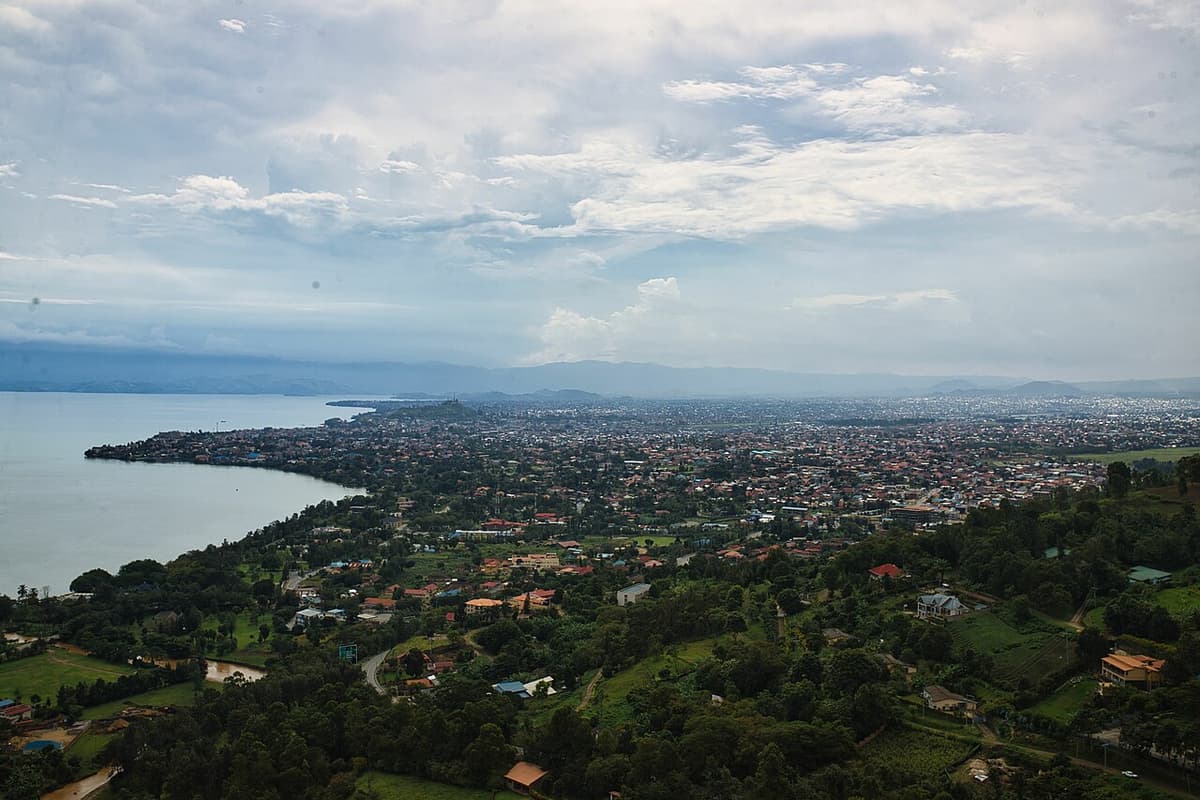
Goma, August 31, 2026 - Multiple villages in the Waloa Loanda groupement of Walikale were emptied as fighting between the army and AFC/M23 forces spread from nearby Masisi and Kalehe zones, deepening humanitarian…
By Amina Kabasele - 3 min read
Security - 31 August 2026
Government Says Army Is Blocking AFC/M23 Expansion In Kivu
Kinshasa, August 31, 2026 - The government said the FARDC was systematically foiling AFC/M23 attempts to occupy additional territory in the Kivus, as fighting continued on multiple fronts.
By Amina Kabasele - 3 min read