
Security - 28 February 2026
Deliberate Destruction of Water Points and Worsening Humanitarian Crisis
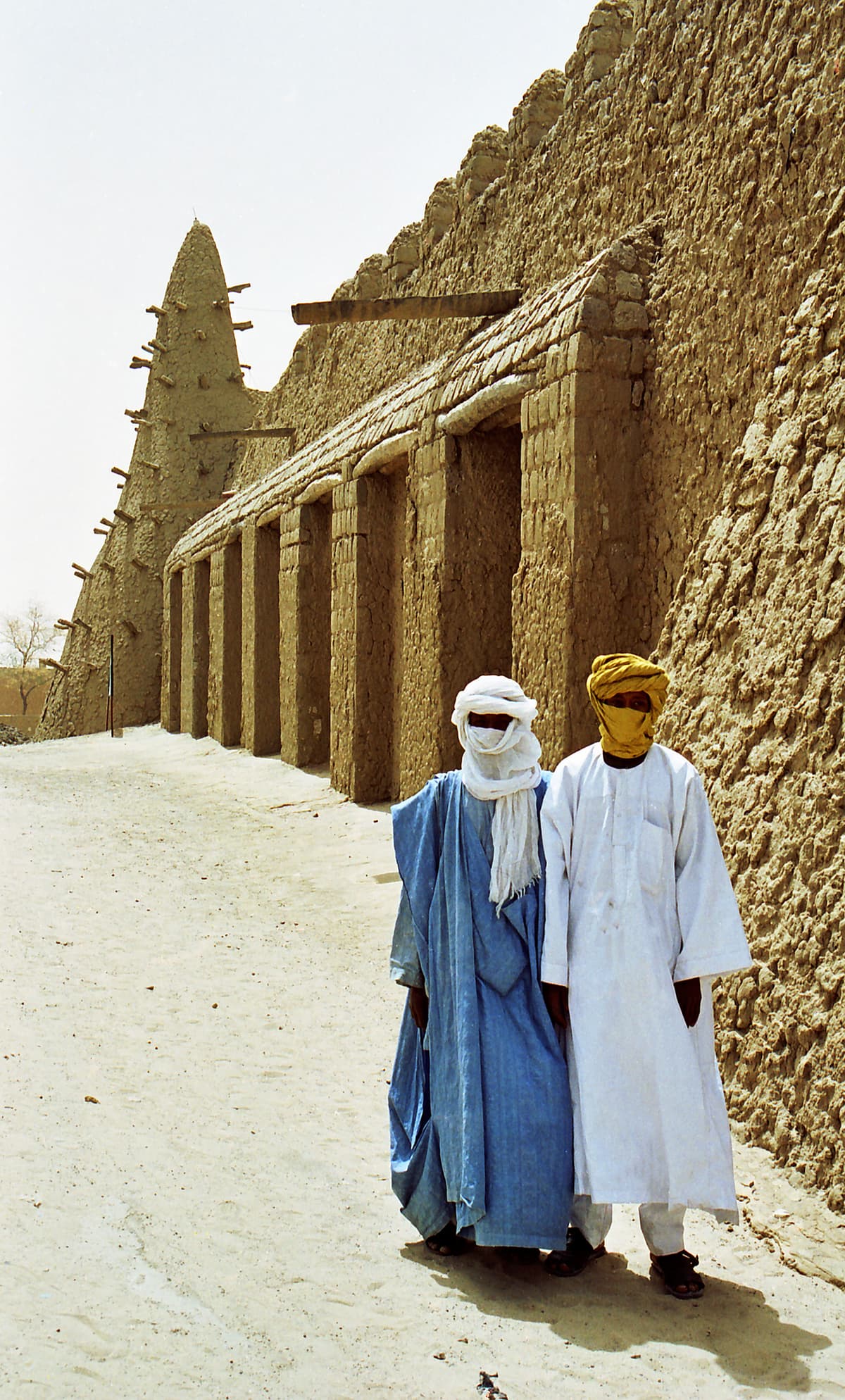
Kidal, February 27, 2026 - Reports from the Kidal region indicate a growing humanitarian crisis linked to the actions of the Malian Armed Forces (FAMa), supported by Russian mercenaries.
Local sources state that in addition to the recurring abductions of women in villages and nomadic settlements, these forces are systematically destroying water sources used by civilian populations. Previously, poisoning water points with barrels of acid and other harmful substances was reported; now, reports indicate the outright destruction of the few remaining functional water infrastructure.
A new incident was recorded on Friday, February 27, 2026, in the Efali nomadic settlement, about 20 kilometers northeast of Tessalit, during Ramadan. Residents claim that the destruction of water points is intended to suffocate local communities, expose them to thirst, and force displacement, aggravating an already severe humanitarian situation in northern Mali.
Conclusion
The second half of February 2026 reflects a Mali navigating a dual reality: a government actively asserting its sovereignty and regional leadership, while simultaneously facing a volatile security environment and worsening humanitarian concerns.
Strategic Sovereignty and Diplomacy
Mali has reinforced its “Mali-first” approach through the formalization of the AES Confederation Year II Roadmap, which prioritizes defense, diplomacy, and development independent of traditional Western frameworks. While the government maintains engagement with the European Union and the United Kingdom, it is pivoting decisively toward strategic partnerships with Saudi Arabia, China, and Iran.
Domestically, this orientation is reflected in new economic directives favoring local products and national companies in public procurement, signaling a push for economic self-reliance and support for Malian enterprises. Initiatives like Operation Sunkalo Solidarity 2026 further underscore the government’s emphasis on social cohesion, national unity, and community support.
Persistent Security and Humanitarian Friction
Despite these political and diplomatic strides, security challenges remain severe. The Mopti and Kidal regions continue to be flashpoints for asymmetric warfare, with JNIM and Islamic State - Sahel Province conducting frequent ambushes, IED attacks, and targeted operations against Malian forces and Russian mercenaries.
Compounding this, reports of water point destruction, abductions, and other human rights violations in northern Mali signal a deepening humanitarian crisis. These developments threaten the impact of national initiatives like Sunkalo Solidarity and underscore the fragile state of civilian protection in conflict-affected regions.
Looking Ahead
The trajectory of Mali’s transitional government will depend on whether the institutional consolidation of the AES Confederation can translate into tangible stability and security for populations in the northern and central regions, while maintaining social cohesion and advancing economic self-reliance.
By Maïga Sidi Bonkana
(Boukari Zankey Sidi)
Jeff Buleli
Related reading
Security - 31 August 2026
DRC And Congo-Brazzaville Move To De-Escalate Congo River Border Clash
Kinshasa, August 31, 2026 - The DRC and Congo-Brazzaville moved to contain tensions after a fatal August 28 clash between FARDC troops and Congo-Brazzaville forces on the Congo River between Yumbi and Makotimpoko.
By Amina Kabasele - 3 min read
Security - 31 August 2026
Walikale Villages Empty As Fighting Spreads In Eastern DRC
Goma, August 31, 2026 - Multiple villages in the Waloa Loanda groupement of Walikale were emptied as fighting between the army and AFC/M23 forces spread from nearby Masisi and Kalehe zones, deepening humanitarian…
By Amina Kabasele - 3 min read
Security - 31 August 2026
Government Says Army Is Blocking AFC/M23 Expansion In Kivu
Kinshasa, August 31, 2026 - The government said the FARDC was systematically foiling AFC/M23 attempts to occupy additional territory in the Kivus, as fighting continued on multiple fronts.
By Amina Kabasele - 3 min read