
Security - 23 February 2026
AFC/M23 Reinforces Positions in Mpety and Mindjendje, Raising Concerns Around Pinga
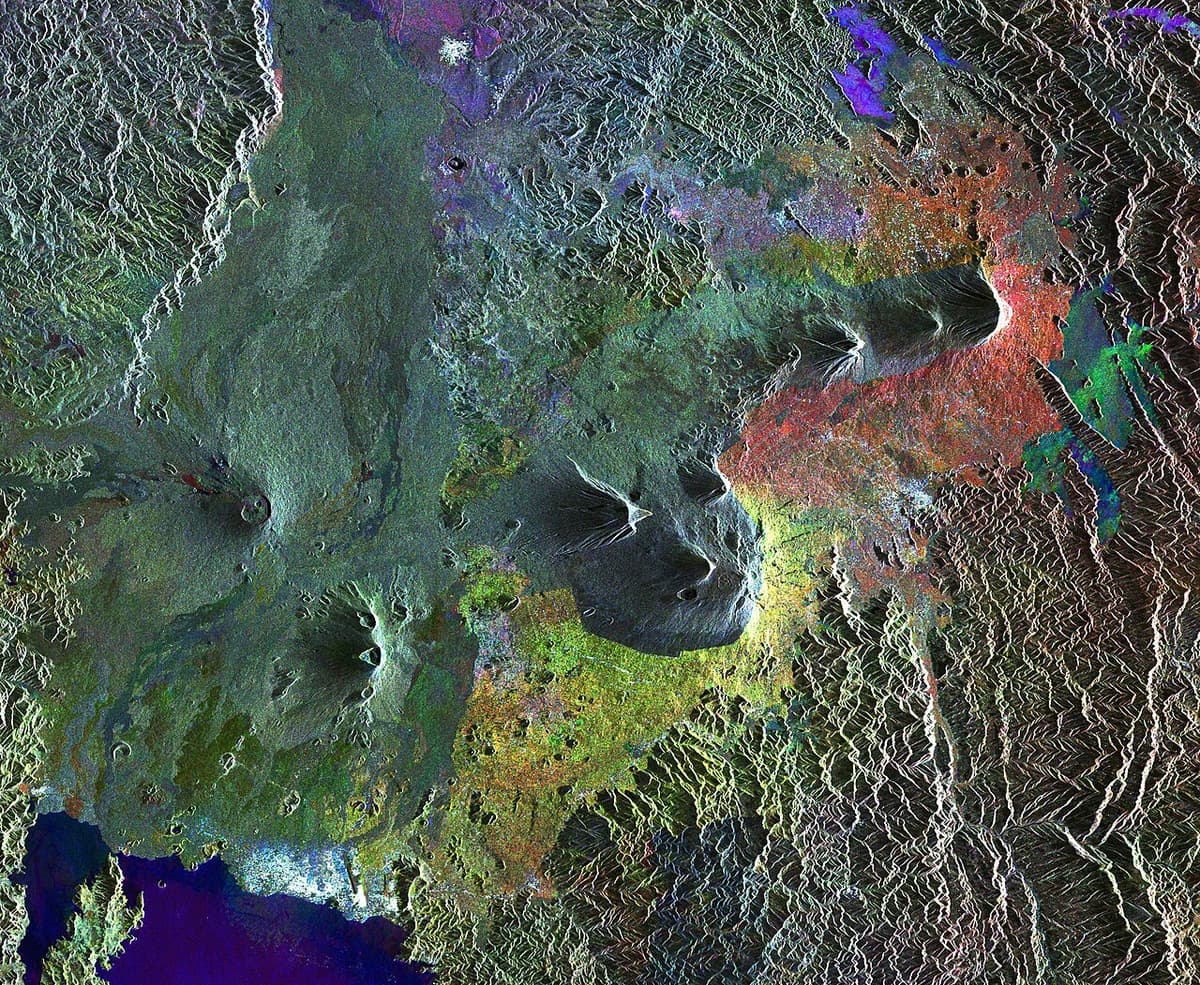
Walikale, February 23, 2026 - The security situation in the Walikale territory remains worrying as AFC/M23 rebels reinforced their positions on Sunday, February 22, in the villages of Mpety and Mindjendje, located in the Banakindi area (Kisimba group).
According to local authorities, the reinforcements came from the Kitshanga-Kalembe axis, with columns of heavily armed men moving through Kalembe toward Mpety, a development confirmed by security sources in Walikale.
While the exact objective of these movements is unclear, observers suggest that the rebels could be preparing offensives against FARDC and Wazalendo positions, particularly near the strategic town of Pinga.
The situation has alarmed local communities, already strained by recent clashes in the area. Traditional authorities of the Kisimba group denounce what they describe as a violation of the ceasefire and urge the Armed Forces of the DRC (FARDC) and Wazalendo fighters to remain vigilant.
Amid a regional context of persistent instability, the civilian population fears a further escalation of violence, which could trigger more displacement and worsen the humanitarian situation in this already fragile part of Walikale territory.
Conclusion
The period from February 8 to 23, 2026, underscores the Democratic Republic of Congo’s position at a critical juncture, marked by a delicate balance between diplomatic engagement, economic ambition, and persistent humanitarian and security challenges.
Diplomatically and politically, the DRC is actively engaging regional and continental partners to stabilize its eastern provinces. President Félix Tshisekedi’s discussions in Luanda with Angolan and African Union leaders, alongside the acceptance of a regional ceasefire scheduled for February 18, signal a commitment to dialogue. Yet, the process remains fragile: the AFC/M23 continues to denounce what it sees as “diplomatic fragmentation” and alleges ongoing government offensives, highlighting the tenuous nature of peace efforts.
Economically, progress is visible in the formalization of the extractive sector. The first legal artisanal gold exports from Haut-Katanga and the inaugural copper and cobalt shipment via the Lobito Atlantic Railway demonstrate tangible steps toward transparency, traceability, and integration into global markets. At the same time, structural challenges persist. The IMF identifies the public wage bill as a major fiscal risk, while institutional weaknesses and entrenched corruption-as reflected in the DRC’s continued low ranking on the Corruption Perceptions Index-threaten to undermine these gains.
Socially and judicially, reforms aim to strengthen the rule of law, notably through the training of 2,500 new magistrates and the prosecution of law enforcement abuses. Nonetheless, systemic deficiencies remain: regions such as Bulungu illustrate the deadly consequences of judicial inaction, with detainees languishing without trial.
On the security and humanitarian fronts, the situation remains acute. Despite the formal ceasefire, attacks by the ADF and clashes involving AFC/M23 and Wazalendo forces perpetuate instability. The resulting humanitarian crisis is severe, with over 21 million people in need of assistance and thousands displaced, facing critical shortages of food, water, and education.
In conclusion, the DRC is laying the foundations for long-term stability through international partnerships, governance reforms, and sectoral modernization. Yet the immediate well-being of its citizens remains precarious, constrained by corruption, fragile institutions, and unresolved conflict. The coming months will be pivotal in determining whether diplomatic, economic, and institutional initiatives can translate into sustainable peace and tangible prosperity for the Congolese people.
By Glad Musema
Jeff Buleli
Related reading
Security - 31 August 2026
DRC And Congo-Brazzaville Move To De-Escalate Congo River Border Clash
Kinshasa, August 31, 2026 - The DRC and Congo-Brazzaville moved to contain tensions after a fatal August 28 clash between FARDC troops and Congo-Brazzaville forces on the Congo River between Yumbi and Makotimpoko.
By Amina Kabasele - 3 min read
Security - 31 August 2026
Walikale Villages Empty As Fighting Spreads In Eastern DRC
Goma, August 31, 2026 - Multiple villages in the Waloa Loanda groupement of Walikale were emptied as fighting between the army and AFC/M23 forces spread from nearby Masisi and Kalehe zones, deepening humanitarian…
By Amina Kabasele - 3 min read
Security - 31 August 2026
Government Says Army Is Blocking AFC/M23 Expansion In Kivu
Kinshasa, August 31, 2026 - The government said the FARDC was systematically foiling AFC/M23 attempts to occupy additional territory in the Kivus, as fighting continued on multiple fronts.
By Amina Kabasele - 3 min read