
Economy - 5 December 2025
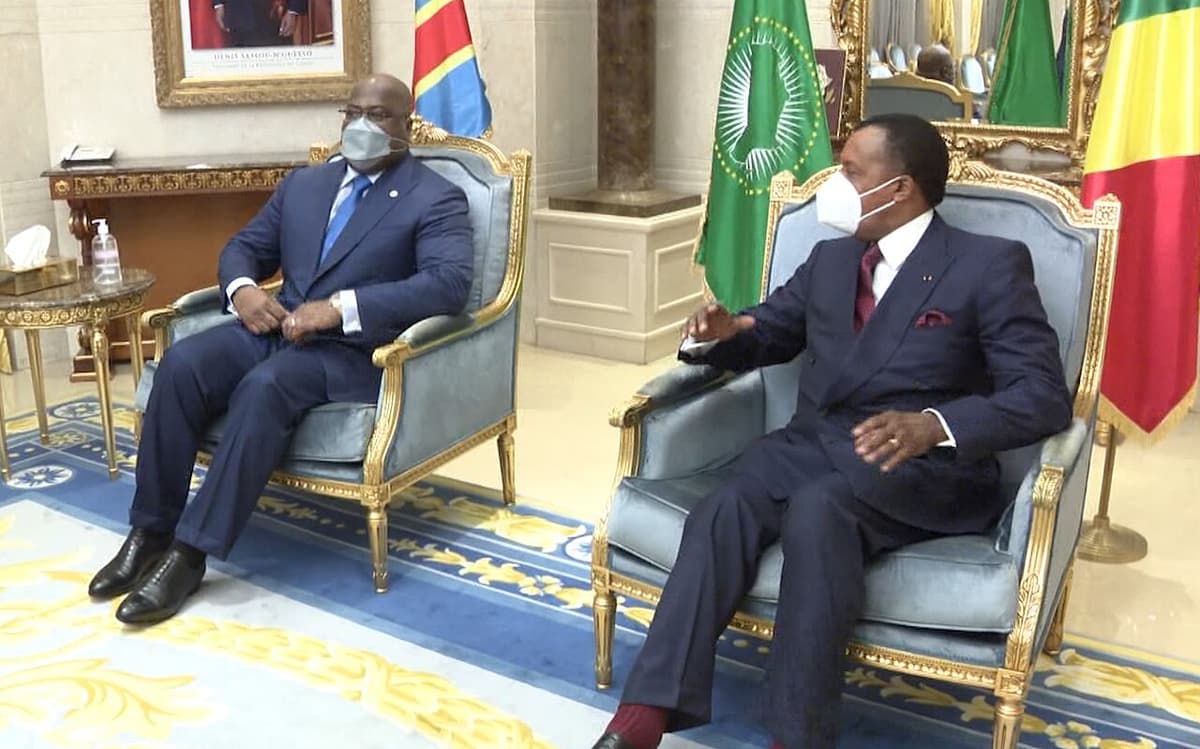
Why Tshisekedi Refused to Engage in Dialogue with the AFC/M23
Kinshasa, December 5, 2025 - KINSHASA - The Democratic Republic of Congo (DRC) government has refused to engage in dialogue with the AFC/M23, rejecting both face-to-face and video-conference talks, while continuing to accuse the group of taking control of Uvira and other parts of the Rusizi Valley.
Political analyst Tubijye Imuzi Tite Gatabazi said President Félix Tshisekedi was following a familiar political strategy often used when he believes a security crisis may be resolved through other means.
“I am not surprised,” Gatabazi said. “Like many observers, I see this as a common tactic of President Tshisekedi. If we look back at recent events in Luanda and Washington, a clear pattern emerges.” He recalled that during talks in Washington, the two foreign ministers were present to sign an agreement, but Congolese Foreign Minister Christophe Lutundula Kaikwamba later claimed he had been ordered by his superior not to sign.
According to Gatabazi, statements made after those events provide evidence of deliberate obstruction. “The way Uvira was presented is completely different from what actually happened on the ground,” he said, arguing that the city was used as a pretext to undermine negotiations that could have produced results.
He added that when it comes to addressing the root causes of the conflict, the Congolese government consistently avoids the discussion. “Eight fundamental principles were signed, yet today the government is looking for ways to delay, postpone, or simply buy time,” Gatabazi noted.
Although the DRC government accuses the AFC/M23 of failing to withdraw from Uvira, the movement announced that it withdrew its fighters on December 17 and 18, 2025, in an effort to restore trust and allow the resumption of peace talks. The government, however, has not acknowledged this withdrawal.
Instead, Kinshasa is currently focused on seeking international sanctions against AFC/M23 fighters, accusing them of violating the ceasefire. The AFC/M23 has denied the accusations, claiming that it was the government forces that breached the ceasefire by opening fire in areas such as Kamanyola.
At this stage, both parties were expected to discuss key principles aimed at achieving a lasting peace, including:
facilitating humanitarian operations,
restoring state authority across the country,
establishing interim security measures,
repatriating refugees,
reviving the economy,
and creating a Truth, Reconciliation, and Justice Commission.
An additional principle concerns the ceasefire agreement and the monitoring of its implementation, including the transfer of prisoners, an accord previously signed by both sides.
On December 22, 2025, Togo’s Prime Minister, Faure Essozimna Gnassingbé, the African Union (AU)-appointed mediator, paid a brief visit to Kinshasa, amid continued deadlock in the peace process.
Related reading
Economy - 31 August 2026
Rwanda Reclaims Undeveloped Industrial Plots To Improve Land Use
Kigali, August 31, 2026 - Rwanda reclaimed 15 additional industrial plots from investors that failed to develop them within agreed timelines, reinforcing the government's push to ensure scarce industrial land is put to…
By Jean-Marc Okito - 2 min read
Economy - 31 August 2026
High Costs And Information Gaps Slow Solar Uptake Among Farmers
Kampala, August 31, 2026 - High upfront costs and limited information are holding back adoption of solar technologies among Uganda's smallholder farmers, constraining productivity and post-harvest management.
By Jean-Marc Okito - 3 min read
Economy - 31 August 2026
Parliament Cafeteria Closure Exposes Procurement Dispute Over Shs2 Billion Food Deal
Kampala, August 31, 2026 - A procurement dispute over a Parliament catering contract worth between Shs1.3 billion and Shs2 billion has disrupted cafeteria services for lawmakers and staff.
By Jean-Marc Okito - 2 min read