
Économie - 5 décembre 2025
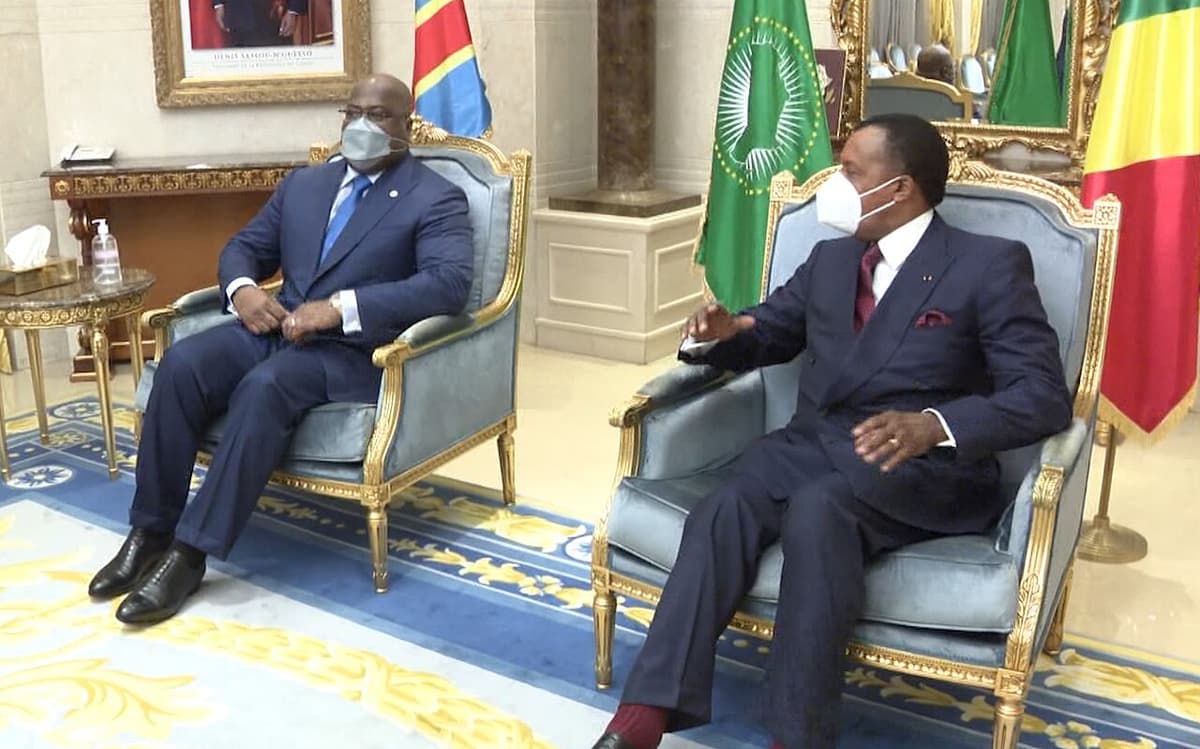
Pourquoi Tshisekedi a refusé de dialoguer avec l'AFC/M23
Kinshasa, le 5 décembre 2025 - KINSHASA - Le gouvernement de la République Démocratique du Congo (RDC) a refusé de dialoguer avec l'AFC/M23, rejetant à la fois les discussions en face à face et les vidéoconférences, tout en continuant d'accuser le groupe de prendre le contrôle d'Uvira et d'autres parties de la vallée de Rusizi.
L'analyste politique Tubijye Imuzi Tite Gatabazi a déclaré que le président Félix Tshisekedi suivait une stratégie politique familière souvent utilisée lorsqu'il croit qu'une crise de sécurité peut être résolue par d'autres moyens.
"Je ne suis pas surpris," a déclaré Gatabazi. "Comme de nombreux observateurs, je vois cela comme une tactique courante du président Tshisekedi. Si nous revenons sur les événements récents à Luanda et à Washington, un schéma clair émerge." Il a rappelé que lors des discussions à Washington, les deux ministres des Affaires étrangères étaient présents pour signer un accord, mais que le ministre congolais des Affaires étrangères, Christophe Lutundula Kaikwamba, avait ensuite affirmé avoir reçu l'ordre de son supérieur de ne pas signer.
Selon Gatabazi, les déclarations faites après ces événements fournissent des preuves d'un blocage délibéré. "La façon dont Uvira a été présentée est complètement différente de ce qui s'est réellement passé sur le terrain," a-t-il déclaré, arguant que la ville a été utilisée comme prétexte pour saper des négociations qui auraient pu produire des résultats.
Il a ajouté qu'en ce qui concerne l'examen des causes profondes du conflit, le gouvernement congolais évite systématiquement la discussion. "Huit principes fondamentaux ont été signés, et pourtant aujourd'hui, le gouvernement cherche des moyens de retarder, de reporter ou simplement de gagner du temps," a noté Gatabazi.
Bien que le gouvernement de la RDC accuse l'AFC/M23 de ne pas s'être retiré d'Uvira, le mouvement a annoncé qu'il avait retiré ses combattants les 17 et 18 décembre 2025, dans un effort de rétablir la confiance et de permettre la reprise des pourparlers de paix. Le gouvernement, cependant, n'a pas reconnu ce retrait.
Au lieu de cela, Kinshasa se concentre actuellement sur la recherche de sanctions internationales contre les combattants de l'AFC/M23, les accusant de violer le cessez-le-feu. L'AFC/M23 a nié ces accusations, affirmant que ce sont les forces gouvernementales qui ont violé le cessez-le-feu en ouvrant le feu dans des zones telles que Kamanyola.
À ce stade, les deux parties étaient censées discuter des principes clés visant à parvenir à une paix durable, notamment :
faciliter les opérations humanitaires,
restaurer l'autorité de l'État à travers le pays,
établir des mesures de sécurité intérimaires,
rapatrier les réfugiés,
relancer l'économie,
et créer une Commission Vérité, Réconciliation et Justice.
Un principe supplémentaire concerne l'accord de cessez-le-feu et le suivi de sa mise en œuvre, y compris le transfert de prisonniers, un accord précédemment signé par les deux parties.
Le 22 décembre 2025, le Premier ministre du Togo, Faure Essozimna Gnassingbé, médiateur désigné par l'Union Africaine (UA), a effectué une brève visite à Kinshasa, au milieu d'un blocage persistant dans le processus de paix.
À lire aussi
Économie - 31 août 2026
Le Rwanda récupère des parcelles industrielles non développées pour améliorer l'utilisation des terres
Kigali, le 31 août 2026 - Le Rwanda a récupéré 15 parcelles industrielles supplémentaires auprès d'investisseurs qui n'ont pas réussi à les développer dans les délais convenus, renforçant ainsi la volonté du…
Par Jean-Marc Okito - 2 min de lecture
Économie - 31 août 2026
Les coûts élevés et le manque d'informations ralentissent l'adoption de l'énergie solaire chez les agriculteurs
Kampala, le 31 août 2026 - Les coûts initiaux élevés et le manque d'informations freinent l'adoption des technologies solaires chez les petits agriculteurs ougandais, limitant la productivité et la gestion post-récolte.
Par Jean-Marc Okito - 3 min de lecture
Économie - 31 août 2026
La fermeture de la cafétéria du Parlement expose un différend sur un contrat de nourriture de 2 milliards de Shs
Kampala, le 31 août 2026 - Un différend sur un contrat de restauration du Parlement d'une valeur comprise entre 1,3 milliard et 2 milliards de Shs a perturbé les services de la cafétéria pour les législateurs et le…
Par Jean-Marc Okito - 2 min de lecture