
Politics - 3 November 2025
Unity and Reconciliation Among Rwandans Reach 95.3% in 2025 - Minister Bizimana
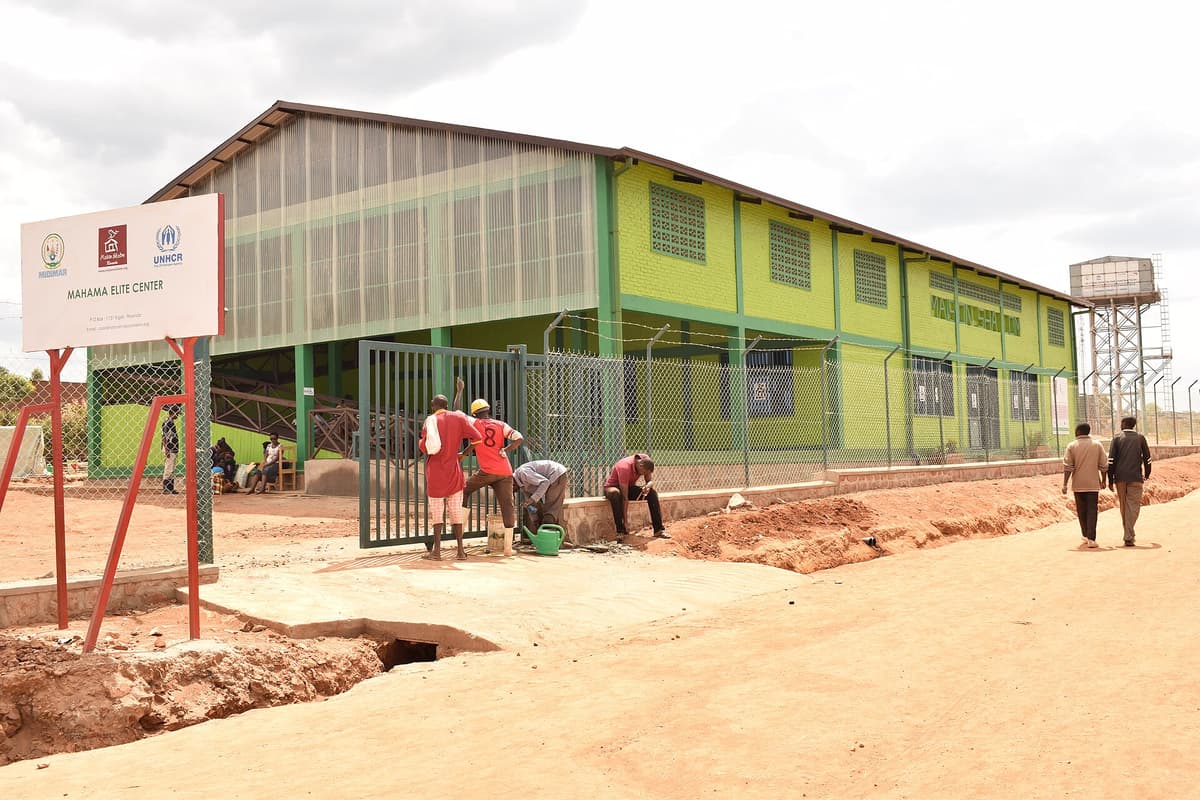
Kigali, November 3, 2025 - Rwanda’s unity and reconciliation rate has reached 95.3% in 2025, according to findings announced by Dr. Jean Damascène Bizimana, Minister of National Unity and Civic Engagement. The figures come from a national survey on unity, reconciliation, and sustainability conducted every five years by the National Unity and Reconciliation Commission (NURC).
In 2020, the national reconciliation rate stood at 94.7%, showing continued progress over the past five years. The 2025 survey covered 12,300 participants - including 8,100 households and 4,200 institutions - and consisted of 123 questions aimed at capturing a comprehensive picture of Rwanda’s social cohesion.
Of the respondents, 52% were women and 48% men. Youth under 35 represented 47%, while 53% were older. Educational backgrounds varied: 38% had completed primary education, 26% secondary, 14% university, 2% vocational, while 21% had no formal education.
In terms of faith, the majority identified as Catholics (41%), followed by ADEPR (24%), Adventists (12%), Anglicans (8%), Presbyterians (3%), Muslims (3%), Methodists (2%), Baptists (2%), Jehovah’s Witnesses (1%), and non-religious (1%).
Sustainability at 90.8%.
Among the most influential factors promoting national unity were courage and patriotism (98.7%), traditional values and beliefs (97.9%), sense of belonging (96%), and shared national values (95.9%). Respondents also cited lessons learned from the Genocide against the Tutsi (92.6%) and the failure of divisive political parties before 1994 (91.9%) as key motivators for unity.
For reconciliation, the strongest pillars included good interpersonal relations (98.5%), personal freedom and belonging (95.9%), shared historical understanding (90.6%), and the importance of remembrance of the Genocide against the Tutsi (99%).
An overwhelming 100% of respondents said they are proud to be Rwandan, with Kinyarwanda cited as the backbone of national identity.Other highlights include:
98% believe there is political will to build unity;
98% are proud of Rwanda’s national heroes;
98% consider Itorero and Ndi Umunyarwanda civic education programs effective;
99% agree that the Genocide was planned;
97% view Rwandanness as the most important identity;
97% believe the current leadership governs without ethnic discrimination;
96% support teaching history to the youth;
93% say all Rwandans have equal access to national opportunities.
Despite the progress, challenges persist.
23% of respondents acknowledged that traces of the Genocide ideology still exist in their communities.
38% believe some Genocide perpetrators remain attached to divisive beliefs.
34% think certain ex-prisoners who served sentences still harbor hatred.
40% view foreign-based social media platforms as harmful to national unity.
32% admitted lacking awareness about civic responsibility.
45% of Genocide survivors reported that they still carry psychological wounds.
The Eastern Province led the unity index at 97.2%, followed by:
City of Kigali (93.7%).
Top-performing districts included Kayonza, Ngoma, Ruhango, Nyanza, and Kirehe, while Gisagara, Rulindo, Huye, Nyarugenge, and Rusizi ranked lower.
Minister Dr. Bizimana emphasized the need to strengthen unity programs, particularly among the youth. He called for renewed efforts to:
Expand education on Rwandan cultural values, history, and the Kinyarwanda language;
Encourage youth participation in unity-building activities starting from the family level;
Combat Genocide ideology domestically and abroad; and
Promote national cohesion programs among the Rwandan diaspora.
He concluded by reaffirming the government’s commitment to ensuring that Rwandan unity remains strong, inclusive, and enduring for generations to come.
Related reading
Politics - 31 August 2026
Angolan President Warns Eastern DRC Conflict Could Spill Across Great Lakes
Kinshasa, August 31, 2026 - Angolan President Joao Lourenco warned that the long-running conflict in eastern DRC could have effects across the Great Lakes region, adding diplomatic weight to calls for stronger…
By Amina Kabasele - 3 min read
Politics - 31 August 2026
Rwanda Rejects Ethnic Framing In Uganda Military Chief's Remarks
Kigali, August 31, 2026 - Rwanda pushed back against social-media remarks attributed to Uganda's Chief of Defence Forces, Gen.
By Amina Kabasele - 2 min read
Politics - 31 August 2026
African Union Backs Sudan Dialogue Plan As Civilian Blocs Object
Khartoum, August 31, 2026 - The African Union endorsed a new Sudanese dialogue initiative aimed at ending the civil war, but major civilian and political groups rejected the move as premature and potentially favorable…
By Amina Kabasele - 2 min read