
Politique - 3 novembre 2025
L'unité et la réconciliation parmi les Rwandais atteignent 95,3 % en 2025 - Ministre Bizimana
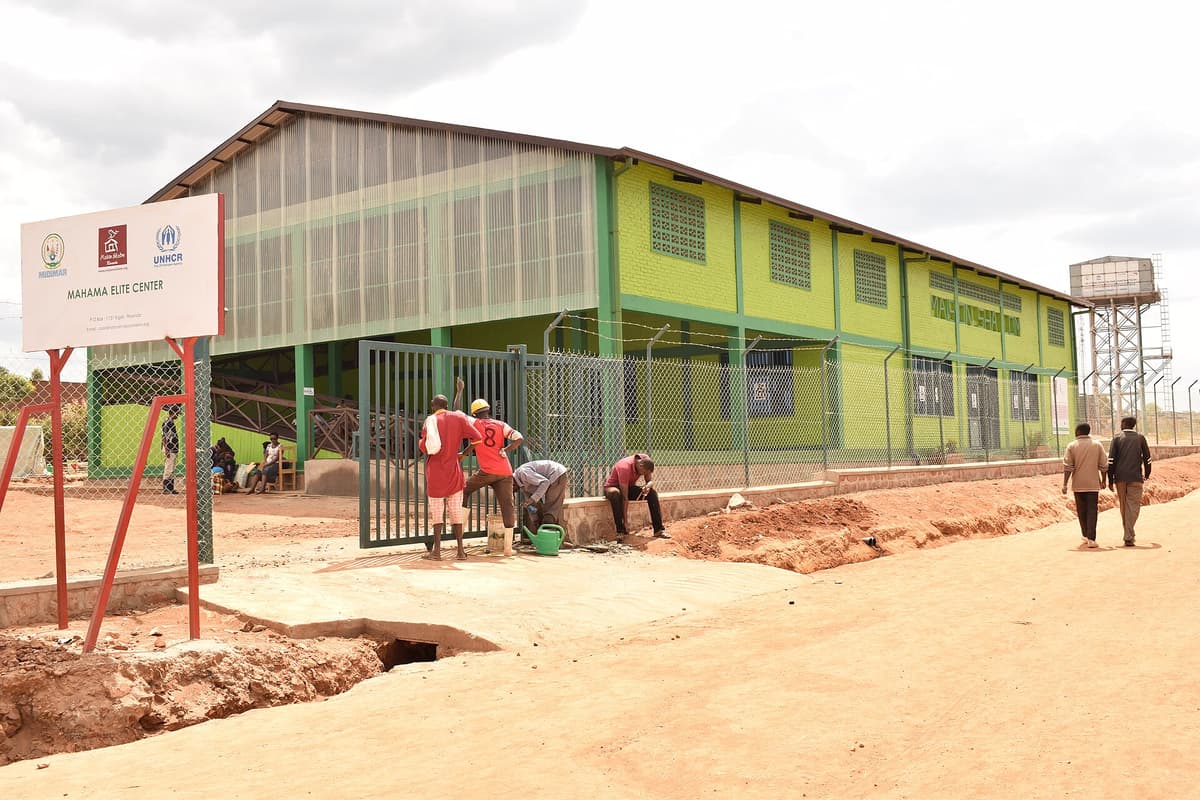
Kigali, le 3 novembre 2025 - Le taux d'unité et de réconciliation au Rwanda a atteint 95,3 % en 2025, selon les résultats annoncés par Dr. Jean Damascène Bizimana, Ministre de l'Unité nationale et de l'Engagement civique. Les chiffres proviennent d'une enquête nationale sur l'unité, la réconciliation et la durabilité réalisée tous les cinq ans par la Commission nationale d'unité et de réconciliation (NURC).
En 2020, le taux de réconciliation nationale était de 94,7 %, montrant des progrès continus au cours des cinq dernières années. L'enquête de 2025 a impliqué 12 300 participants - dont 8 100 ménages et 4 200 institutions - et a comporté 123 questions visant à capturer une image complète de la cohésion sociale au Rwanda.
Parmi les répondants, 52 % étaient des femmes et 48 % des hommes. Les jeunes de moins de 35 ans représentaient 47 %, tandis que 53 % étaient plus âgés. Les niveaux d'éducation variaient : 38 % avaient terminé l'éducation primaire, 26 % le secondaire, 14 % l'université, 2 % la formation professionnelle, tandis que 21 % n'avaient pas d'éducation formelle.
En termes de foi, la majorité s'identifiait comme catholique (41 %), suivie par l'ADEPR (24 %), les adventistes (12 %), les anglicans (8 %), les presbytériens (3 %), les musulmans (3 %), les méthodistes (2 %), les baptistes (2 %), les témoins de Jéhovah (1 %) et les non-religieux (1 %).
Durabilité à 90,8 %.
Parmi les facteurs les plus influents favorisant l'unité nationale figuraient le courage et le patriotisme (98,7 %), les valeurs et croyances traditionnelles (97,9 %), le sentiment d'appartenance (96 %) et les valeurs nationales partagées (95,9 %). Les répondants ont également cité les leçons tirées du Génocide contre les Tutsi (92,6 %) et l'échec des partis politiques divisifs avant 1994 (91,9 %) comme des moteurs clés de l'unité.
Pour la réconciliation, les piliers les plus forts comprenaient de bonnes relations interpersonnelles (98,5 %), la liberté personnelle et le sentiment d'appartenance (95,9 %), une compréhension historique partagée (90,6 %) et l'importance de la mémoire du Génocide contre les Tutsi (99 %).
Une écrasante majorité de 100 % des répondants a déclaré être fière d'être Rwandais, le Kinyarwanda étant cité comme l'épine dorsale de l'identité nationale. D'autres points saillants incluent :
98 % croient qu'il existe une volonté politique de construire l'unité ;
98 % sont fiers des héros nationaux du Rwanda ;
98 % considèrent que les programmes d'éducation civique Itorero et Ndi Umunyarwanda sont efficaces ;
99 % s'accordent à dire que le Génocide était planifié ;
97 % voient la Rwandanité comme l'identité la plus importante ;
97 % croient que le leadership actuel gouverne sans discrimination ethnique ;
96 % soutiennent l'enseignement de l'histoire aux jeunes ;
93 % affirment que tous les Rwandais ont un accès égal aux opportunités nationales.
Malgré les progrès, des défis persistent.
23 % des répondants ont reconnu que des traces de l'idéologie du Génocide existent encore dans leurs communautés.
38 % croient que certains auteurs du Génocide restent attachés à des croyances divisives.
34 % pensent que certains anciens prisonniers ayant purgé des peines nourrissent encore de la haine.
40 % considèrent que les plateformes de médias sociaux basées à l'étranger sont nuisibles à l'unité nationale.
32 % ont admis manquer de sensibilisation à la responsabilité civique.
45 % des survivants du Génocide ont déclaré qu'ils portent encore des blessures psychologiques.
La Province de l'Est a enregistré l'indice d'unité le plus élevé à 97,2 %, suivie par :
La ville de Kigali (93,7 %).
Les districts les plus performants comprenaient Kayonza, Ngoma, Ruhango, Nyanza et Kirehe, tandis que Gisagara, Rulindo, Huye, Nyarugenge et Rusizi se classaient plus bas.
Le Ministre Dr. Bizimana a souligné la nécessité de renforcer les programmes d'unité, en particulier parmi les jeunes. Il a appelé à des efforts renouvelés pour :
Élargir l'éducation sur les valeurs culturelles rwandaises, l'histoire et la langue Kinyarwanda ;
Encourager la participation des jeunes aux activités de construction de l'unité dès le niveau familial ;
Lutter contre l'idéologie du Génocide sur le plan national et international ; et
Promouvoir des programmes de cohésion nationale parmi la diaspora rwandaise.
Il a conclu en réaffirmant l'engagement du gouvernement à garantir que l'unité rwandaise reste forte, inclusive et durable pour les générations à venir.
À lire aussi
Politique - 31 août 2026
Le Président angolais met en garde contre le risque d'un conflit dans l'est de la RDC s'étendant à la région des Grands Lacs
Kinshasa, le 31 août 2026 - Le Président angolais Joao Lourenco a averti que le conflit de longue date dans l'est de la RDC pourrait avoir des répercussions dans la région des Grands Lacs, ajoutant un poids diplomatique…
Par Amina Kabasele - 3 min de lecture
Politique - 31 août 2026
Le Rwanda rejette le cadrage ethnique des remarques du chef militaire ougandais
Kigali, le 31 août 2026 - Le Rwanda a réagi aux remarques sur les réseaux sociaux attribuées au chef des forces de défense de l'Ouganda, le général Muhoozi Kainerugaba, après que la porte-parole du gouvernement, Yolande…
Par Amina Kabasele - 2 min de lecture
Politique - 31 août 2026
L'Union africaine soutient le plan de dialogue soudanais alors que des blocs civils s'y opposent
Khartoum, le 31 août 2026 - L'Union africaine a approuvé une nouvelle initiative de dialogue soudanais destinée à mettre fin à la guerre civile, mais d'importants groupes civils et politiques ont rejeté cette démarche…
Par Amina Kabasele - 2 min de lecture