
Justice - 2 August 2026
Tshisekedi Inaugurates New Haut-Katanga Palace of Justice in Lubumbashi
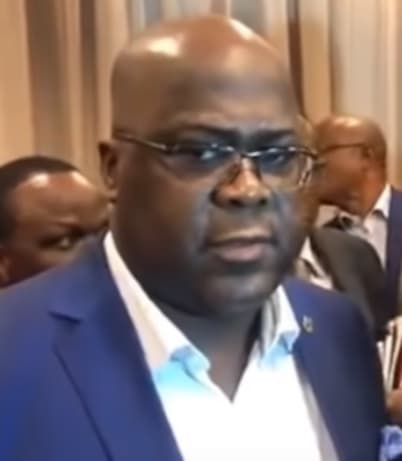
Lubumbashi, Haut-Katanga, August 2, 2026 - On August 1, President Félix Tshisekedi inaugurated the new Haut-Katanga Palace of Justice in Lubumbashi, marking a significant advancement in the region's judicial infrastructure. The ceremony was attended by various governors from the Katanga region and members of the High Council of the Magistracy, led by Dieudonné Kamuleta, the president of the Constitutional Court. The newly constructed building spans approximately 1,430 square meters and is designed to enhance the efficiency and accessibility of the judicial system in Haut-Katanga.
The Palace of Justice features a ground floor equipped with 34 furnished administrative offices, a reception area, three courtrooms with a capacity of 110 seats each, a 48-seat conference room, and storage facilities. The first floor includes nine VIP offices, a gym, and a 40-seat meeting room, while the second floor houses seven VIP offices, 15 administrative offices, two archives, an IT/server room, and sanitation facilities. The building is also outfitted with modern security measures, including CCTV and fire safety systems, ensuring a secure environment for judicial proceedings.
This inauguration follows a significant reshuffle within the magistracy that occurred on July 28, which included appointments, dismissals, and forced retirements across various judicial bodies, including the Constitutional Court and military courts. Notably, Kilomba Nguz was dismissed for failing to assume the presidency of the Court of Cassation in 2020. Despite these changes, First President Elie Leon Ndomba and Prosecutor General Firmin Mvonde retained their positions, reflecting the ongoing political dialogue surrounding the referendum and constitutional debates in the country. The new Palace of Justice is expected to play a crucial role in the evolving legal landscape of the DRC, particularly in light of these recent developments.
Related reading
Justice - 14 August 2026
Déby Pardons Opposition Leader Success Masra
N’Djamena, 14 August 2026 - Chadian President Mahamat Idriss Déby has pardoned former Prime Minister and opposition leader Success Masra, ending his more than year-long imprisonment and paving the way for his release in…
By Amina Kabasele - 2 min read
Justice - 13 August 2026
Opposition Youth Onokomba Moved to Makala Ahead of August Civil Hearing
Kinshasa, DRC, August 13, 2026 - Young opposition figure Nathanael Onokomba Shako has been transferred to Makala prison following approximately seven months of detention.
By Amina Kabasele - 2 min read
Justice - 13 August 2026
French Ambassador in Bangui Investigated Over Alleged Misconduct
Bangui, 13 August 2026 - France has opened an investigation into its ambassador to the Central African Republic, Bruno Foucher, following allegations of misconduct involving women he reportedly brought to his official…
By Amina Kabasele - 2 min read