
Politics - 11 November 2025
The rise of terrorism in West Africa dominated debates at the United Nations Security Council in
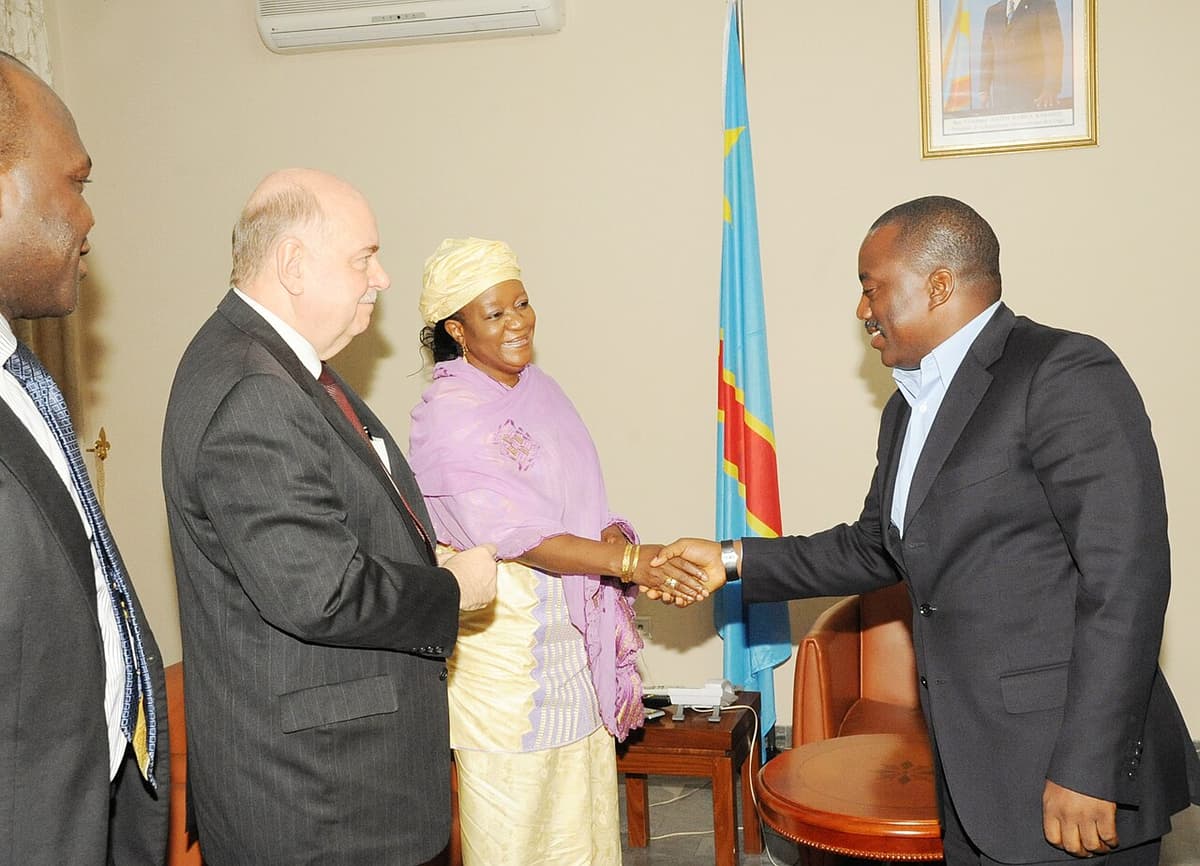
Bamako, November 11, 2025 - The rise of terrorism in West Africa dominated debates at the United Nations Security Council in New York, where UN Secretary-General António Guterres and the President of the ECOWAS Commission, Omar Alieu Touray, jointly sounded the alarm.
Their shared message: the threat is no longer confined to the Sahel or the Lake Chad Basin. It has spread across the entire West African region, posing an existential risk to millions of people.
Guterres emphasized that terrorism, once geographically localized, now strikes across a much wider arc, affecting both rural areas and strategic routes. In recent months, armed groups have repeatedly attacked escorted military convoys, killing and abducting soldiers and civilians. These actions are intended not only to spread terror but also to deliberately disrupt access to fuel, goods, and essential services, creating what he described as an “economic war”.
The consequences are severe: fuel shortages have forced some humanitarian operations, including those run by the UN, to scale back activities, threatening vulnerable populations. Guterres warned that the combination of insecurity, shortages, and the collapse of services could trigger a “catastrophic domino effect” on coastal countries such as Benin and Togo.
In response, ECOWAS Defense and Finance Ministers have considered establishing a regional intervention force, with an initial deployment of 1,650 troops and plans to scale rapidly to 5,000 soldiers. Guterres stressed that close cooperation between states is essential to strengthen the region’s security and political architecture.
Omar Alieu Touray reinforced this warning with sobering figures: between January and November 2025, the region experienced 450 terrorist attacks, resulting in over 1,900 deaths. He described terrorism as an existential threat to West Africa, highlighting the fragmentation of regional efforts, mistrust between states, and insufficient international funding.
Touray explained that extremist groups aim to isolate populations by blocking fuel access, disrupting trade, and cutting supply routes, thereby weakening communities and complicating security responses. He called for sustainable solutions that address root causes, including poverty, lack of public services, weak governance, and marginalization.
Both officials concluded that the region urgently needs consistent international support, particularly predictable humanitarian funding. Needs for 2025 amount to $4.9 billion, yet only one-quarter is currently covered. They urged strengthened cooperation, better coordination among regional forces, and renewed political commitment to prevent the crisis from spreading further across the continent.
Related reading
Politics - 31 August 2026
Angolan President Warns Eastern DRC Conflict Could Spill Across Great Lakes
Kinshasa, August 31, 2026 - Angolan President Joao Lourenco warned that the long-running conflict in eastern DRC could have effects across the Great Lakes region, adding diplomatic weight to calls for stronger…
By Amina Kabasele - 3 min read
Politics - 31 August 2026
Rwanda Rejects Ethnic Framing In Uganda Military Chief's Remarks
Kigali, August 31, 2026 - Rwanda pushed back against social-media remarks attributed to Uganda's Chief of Defence Forces, Gen.
By Amina Kabasele - 2 min read
Politics - 31 August 2026
African Union Backs Sudan Dialogue Plan As Civilian Blocs Object
Khartoum, August 31, 2026 - The African Union endorsed a new Sudanese dialogue initiative aimed at ending the civil war, but major civilian and political groups rejected the move as premature and potentially favorable…
By Amina Kabasele - 2 min read