
Politique - 11 novembre 2025
La montée du terrorisme en Afrique de l'Ouest a dominé les débats au Conseil de sécurité des Nations Unies
Bamako, le 11 novembre 2025 - La montée du terrorisme en Afrique de l'Ouest a dominé les débats au Conseil de sécurité des Nations Unies à New York, où le Secrétaire général de l'ONU, António Guterres, et le Président de la Commission de la CEDEAO, Omar Alieu Touray, ont conjointement tiré la sonnette d'alarme.
Leur message commun : la menace n'est plus confinée au Sahel ou au bassin du lac Tchad. Elle s'est étendue à l'ensemble de la région ouest-africaine, posant un risque existentiel pour des millions de personnes.
Guterres a souligné que le terrorisme, autrefois géographiquement localisé, frappe désormais sur un arc beaucoup plus large, affectant à la fois les zones rurales et les routes stratégiques. Au cours des derniers mois, des groupes armés ont attaqué à plusieurs reprises des convois militaires escortés, tuant et enlevant des soldats et des civils. Ces actions visent non seulement à semer la terreur, mais aussi à perturber délibérément l'accès aux carburants, aux biens et aux services essentiels, créant ce qu'il a décrit comme une "guerre économique".
Les conséquences sont sévères : les pénuries de carburant ont contraint certaines opérations humanitaires, y compris celles menées par l'ONU, à réduire leurs activités, menaçant les populations vulnérables. Guterres a averti que la combinaison d'insécurité, de pénuries et de l'effondrement des services pourrait déclencher un "effet domino catastrophique" sur des pays côtiers tels que le Bénin et le Togo.
En réponse, les ministres de la Défense et des Finances de la CEDEAO ont envisagé d'établir une force d'intervention régionale, avec un déploiement initial de 1 650 soldats et des plans pour passer rapidement à 5 000 soldats. Guterres a souligné que la coopération étroite entre les États est essentielle pour renforcer la sécurité et l'architecture politique de la région.
Omar Alieu Touray a renforcé cet avertissement avec des chiffres alarmants : entre janvier et novembre 2025, la région a connu 450 attaques terroristes, entraînant plus de 1 900 décès. Il a décrit le terrorisme comme une menace existentielle pour l'Afrique de l'Ouest, mettant en lumière la fragmentation des efforts régionaux, la méfiance entre les États et le financement international insuffisant.
Touray a expliqué que les groupes extrémistes visent à isoler les populations en bloquant l'accès aux carburants, en perturbant le commerce et en coupant les routes d'approvisionnement, affaiblissant ainsi les communautés et compliquant les réponses sécuritaires. Il a appelé à des solutions durables qui s'attaquent aux causes profondes, y compris la pauvreté, le manque de services publics, la gouvernance faible et la marginalisation.
Les deux responsables ont conclu que la région a de toute urgence besoin d'un soutien international cohérent, en particulier d'un financement humanitaire prévisible. Les besoins pour 2025 s'élèvent à 4,9 milliards de dollars, mais seulement un quart est actuellement couvert. Ils ont appelé à un renforcement de la coopération, à une meilleure coordination entre les forces régionales et à un engagement politique renouvelé pour empêcher la crise de se propager davantage sur le continent.
À lire aussi
Politique - 31 août 2026
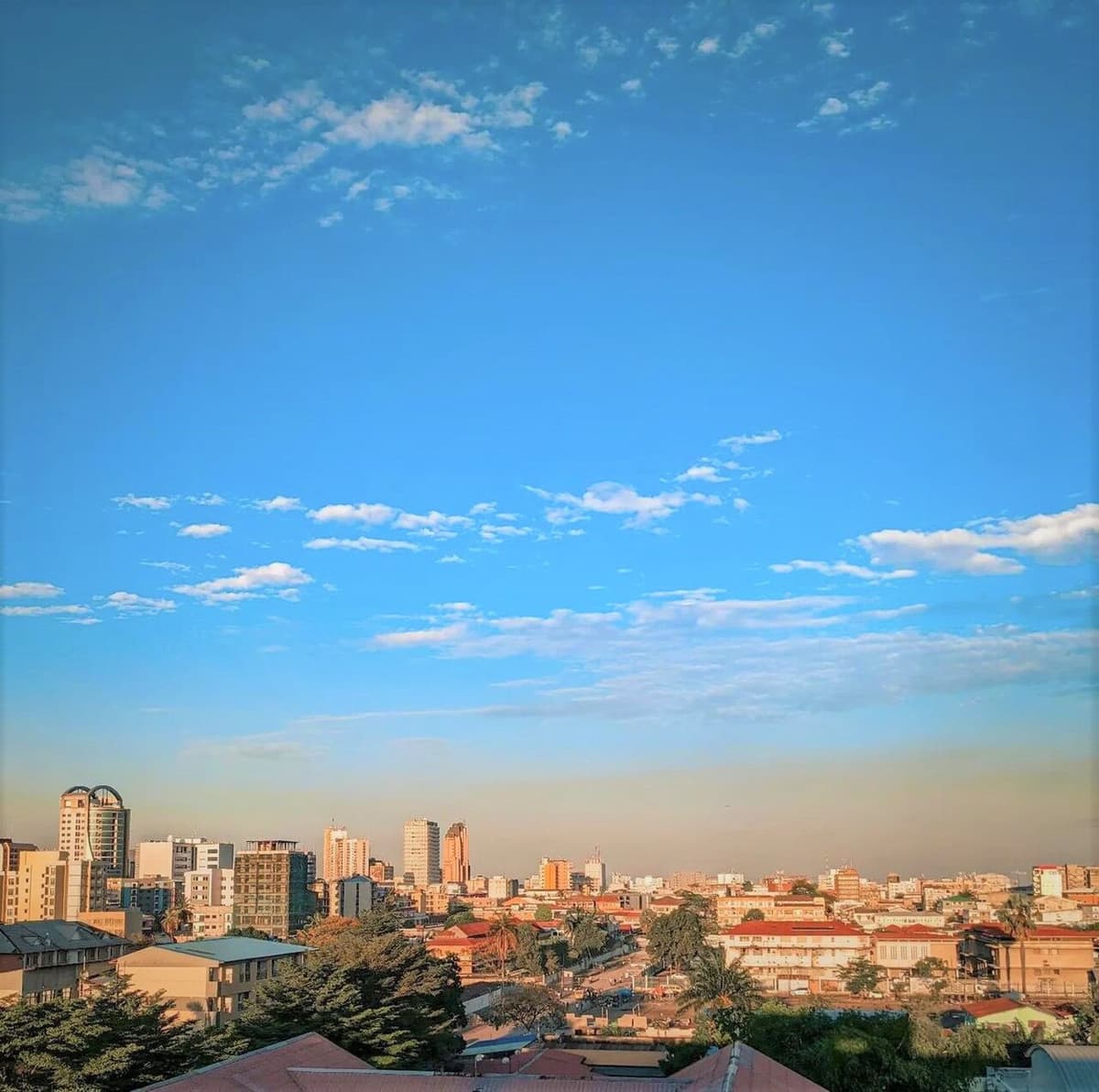
Le Président angolais met en garde contre le risque d'un conflit dans l'est de la RDC s'étendant à la région des Grands Lacs
Kinshasa, le 31 août 2026 - Le Président angolais Joao Lourenco a averti que le conflit de longue date dans l'est de la RDC pourrait avoir des répercussions dans la région des Grands Lacs, ajoutant un poids diplomatique…
Par Amina Kabasele - 3 min de lecture
Politique - 31 août 2026
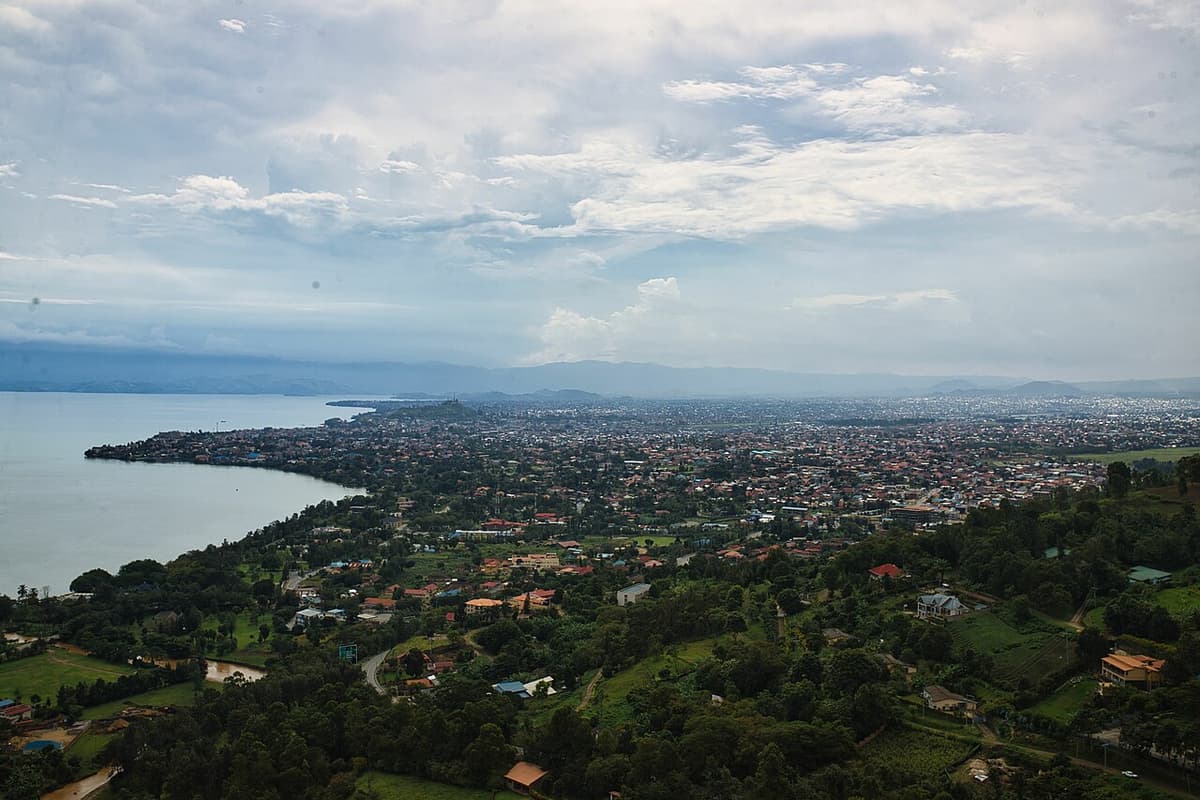
Le Rwanda rejette le cadrage ethnique des remarques du chef militaire ougandais
Kigali, le 31 août 2026 - Le Rwanda a réagi aux remarques sur les réseaux sociaux attribuées au chef des forces de défense de l'Ouganda, le général Muhoozi Kainerugaba, après que la porte-parole du gouvernement, Yolande…
Par Amina Kabasele - 2 min de lecture
Politique - 31 août 2026
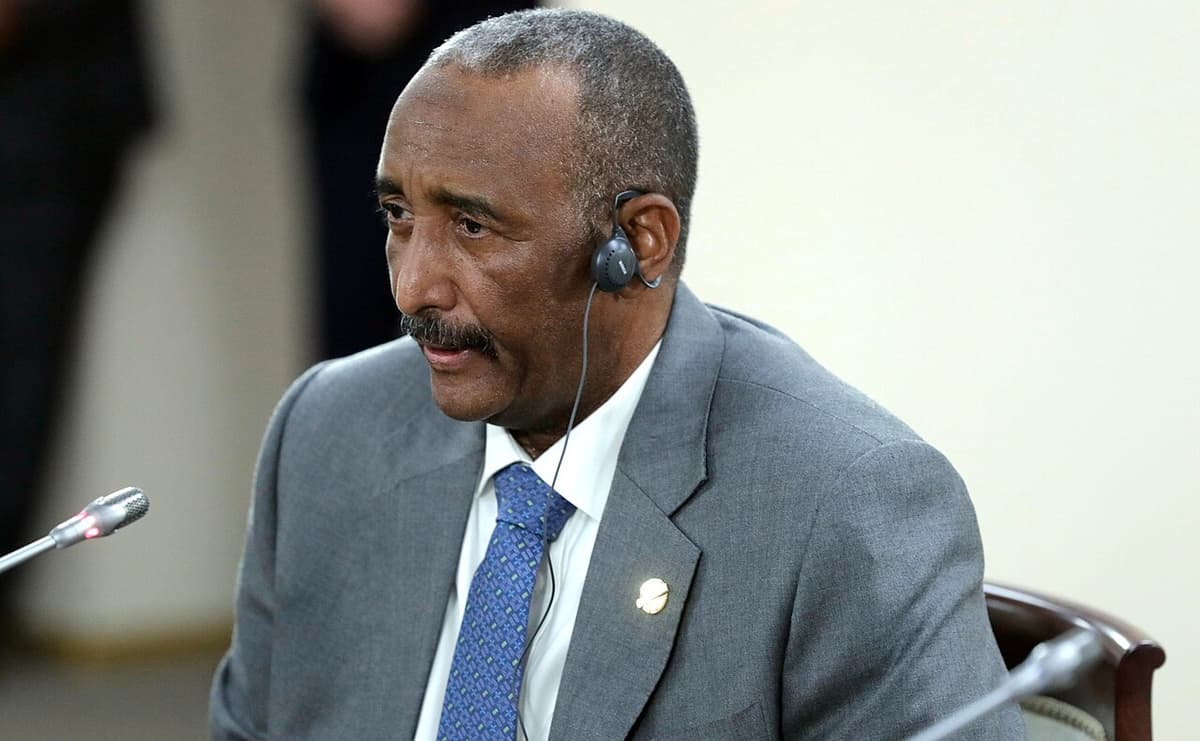
L'Union africaine soutient le plan de dialogue soudanais alors que des blocs civils s'y opposent
Khartoum, le 31 août 2026 - L'Union africaine a approuvé une nouvelle initiative de dialogue soudanais destinée à mettre fin à la guerre civile, mais d'importants groupes civils et politiques ont rejeté cette démarche…
Par Amina Kabasele - 2 min de lecture