

Justice - 26 April 2026
Sudan Rights Group Rejects Death Sentence for Human Rights Lawyer
Khartoum, April 26, 2026 - A Sudanese legal advocacy group has condemned the death sentence handed to lawyer and human rights defender Abubakar Mansour, citing serious procedural violations and concerns over the fairness of the trial.
In a statement issued Sunday, the Emergency Lawyers group said the ruling, recently upheld by an appeals court, was marred by breaches of due process, including restrictions on defence rights and irregularities in court proceedings.
Mansour was arrested from his home in Sinjah, Sennar State, on November 25, 2024, and charged under the Sudanese Penal Code with offences including undermining the constitutional system and inciting war against the state, allegedly linked to ties with the Rapid Support Forces.
According to the group, he has been held in detention for approximately 517 days, which it described as indicative of the use of politically driven charges to prolong imprisonment.
The case has undergone multiple judicial stages. Mansour was initially convicted in April 2025, before an appeals court reviewed the case in July, dropping some charges while upholding others and recommending a harsher sentence. The case was subsequently returned to a lower court.
In October 2025, the Sinjah Criminal Court sentenced him to death. The legal group said the proceedings were flawed, alleging incomplete evidence hearings and limited access for the defence. It also claimed that the verdict was issued without notifying Mansour’s legal team or allowing them to be present.
The group further expressed concern about increasing pressure on legal professionals, citing the arrest of a member of the defence team as an example of restrictions affecting the legal community.
It argued that the handling of the case raises broader questions about judicial independence, suggesting that external influences may have affected the outcome and undermined confidence in the legal system.
Related reading

Justice - 31 August 2026
Police Detain Officers Over Dress-Related Arrest In Rubavu
Kigali, August 31, 2026 - Rwanda National Police detained two officers after a video showed them arresting a young woman at Rubavu bus station over the length of her dress, a case that intensified public scrutiny of…
By Amina Kabasele - 2 min read
Justice - 31 August 2026
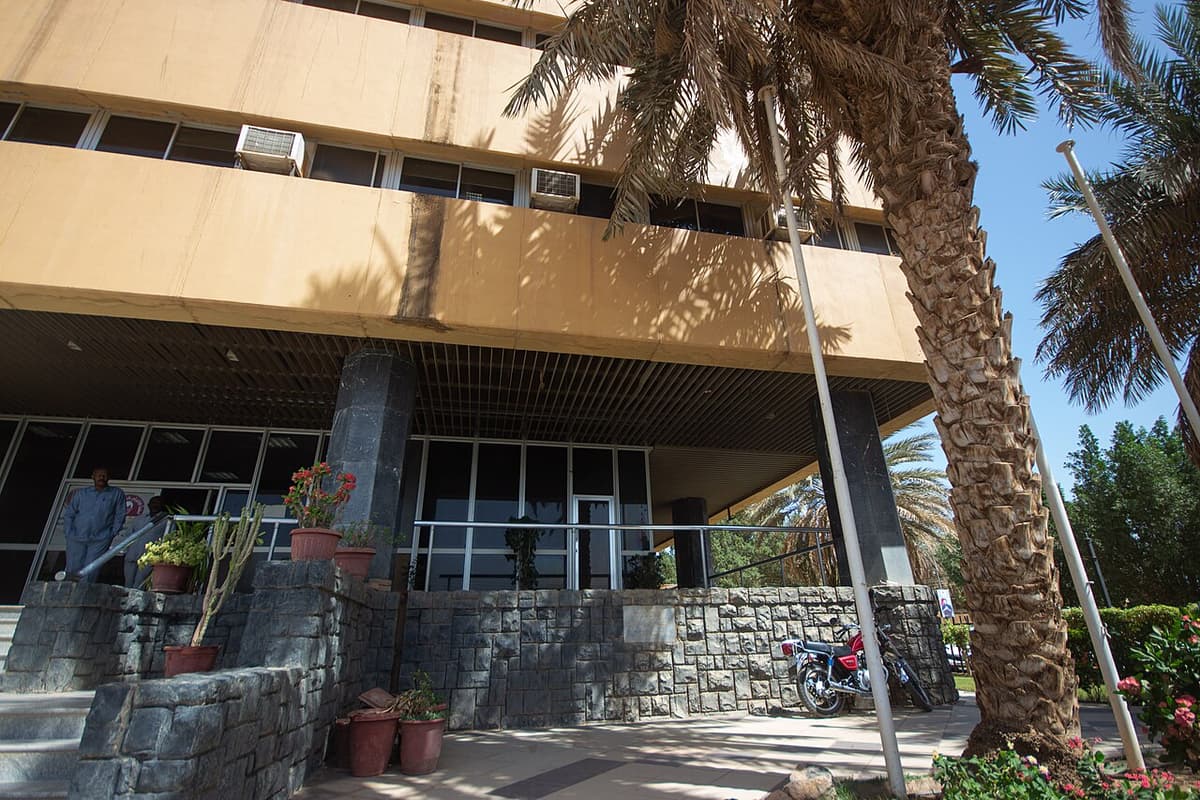
Military Intelligence Detains Doctors Union Leader During Disease Fieldwork
Khartoum, August 31, 2026 - Sudanese Military Intelligence detained Dr Attiya Abdallah, the head of the country's main doctors' union, in a case that highlights mounting pressure on medical and humanitarian workers…
By Amina Kabasele - 2 min read
Justice - 31 August 2026
UN Demands Release Of Detained Aid Workers In Sudan
Khartoum, August 31, 2026 - The United Nations called for the immediate and unconditional release of humanitarian workers detained by armed groups in Sudan, warning that arbitrary arrests are obstructing relief…
By Amina Kabasele - 2 min read