
Politics - 19 April 2026
Study in Uganda Documents Rare Intergroup Violence Among Chimpanzees in Kibale National
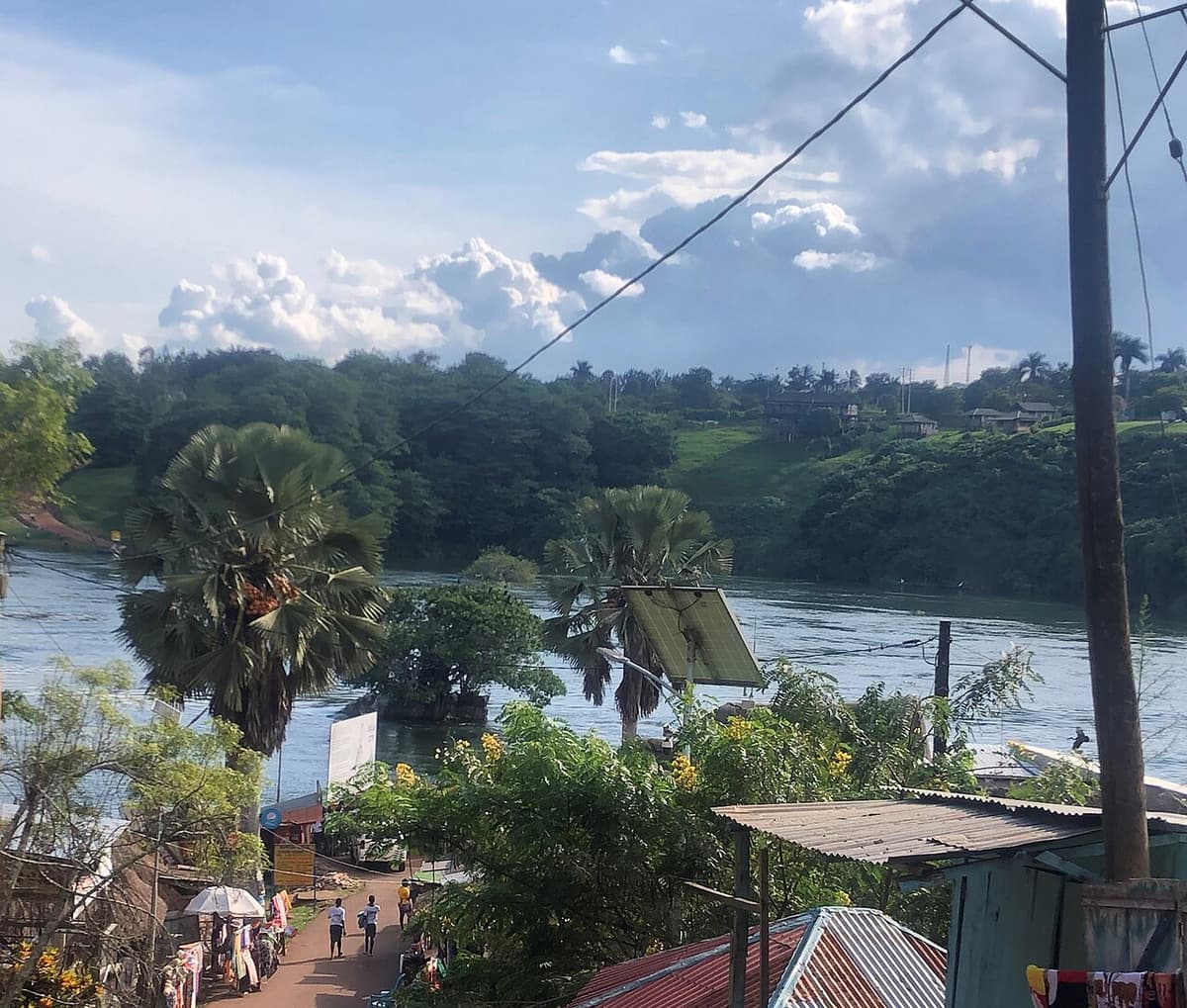
Uganda, April 10, 2026 - Primatologists studying long-term chimpanzee behavior in Kibale National Park have reported a rare and prolonged episode of lethal conflict between two chimpanzee communities that had previously coexisted peacefully for years.
The findings, published by researchers including University of Michigan anthropologist John Mitani and University of Texas researcher Aaron Sandel, document a breakdown in social relations that escalated into sustained intergroup violence beginning around 2015.
According to the study, the two chimpanzee communities gradually shifted from cooperative coexistence to hostility, with repeated violent encounters leading to a significant number of deaths over several years. Researchers estimate that dozens of individuals were killed during the conflict, including juveniles.
Mitani, who has studied the groups for more than two decades, described the transformation as unexpected, noting that long-standing social tolerance between the communities deteriorated rapidly. Sandel similarly observed that the groups had effectively separated by 2018 following years of escalating aggression.
The researchers report that the conflict involved coordinated group attacks and highly aggressive behavior, including assaults on vulnerable individuals, which contributed to a marked population decline in one of the communities and growth in the other.
They emphasize that such intergroup violence, while rare, has been documented in chimpanzees and may reflect deep evolutionary roots of territoriality and competition among social primates.
The study is being cited in broader scientific discussions about primate behavior, cooperation, and conflict, with researchers noting that it may offer insight into the evolutionary origins of organized group violence.
While drawing comparisons to human conflict is scientifically sensitive, the authors stress that the findings highlight both the complexity of chimpanzee societies and the risks of intergroup competition in species with structured social organization.
Related reading

Politics - 31 August 2026
Angolan President Warns Eastern DRC Conflict Could Spill Across Great Lakes
Kinshasa, August 31, 2026 - Angolan President Joao Lourenco warned that the long-running conflict in eastern DRC could have effects across the Great Lakes region, adding diplomatic weight to calls for stronger…
By Amina Kabasele - 3 min read

Politics - 31 August 2026
Rwanda Rejects Ethnic Framing In Uganda Military Chief's Remarks
Kigali, August 31, 2026 - Rwanda pushed back against social-media remarks attributed to Uganda's Chief of Defence Forces, Gen.
By Amina Kabasele - 2 min read
Politics - 31 August 2026
African Union Backs Sudan Dialogue Plan As Civilian Blocs Object
Khartoum, August 31, 2026 - The African Union endorsed a new Sudanese dialogue initiative aimed at ending the civil war, but major civilian and political groups rejected the move as premature and potentially favorable…
By Amina Kabasele - 2 min read