
Politics - 10 August 2026
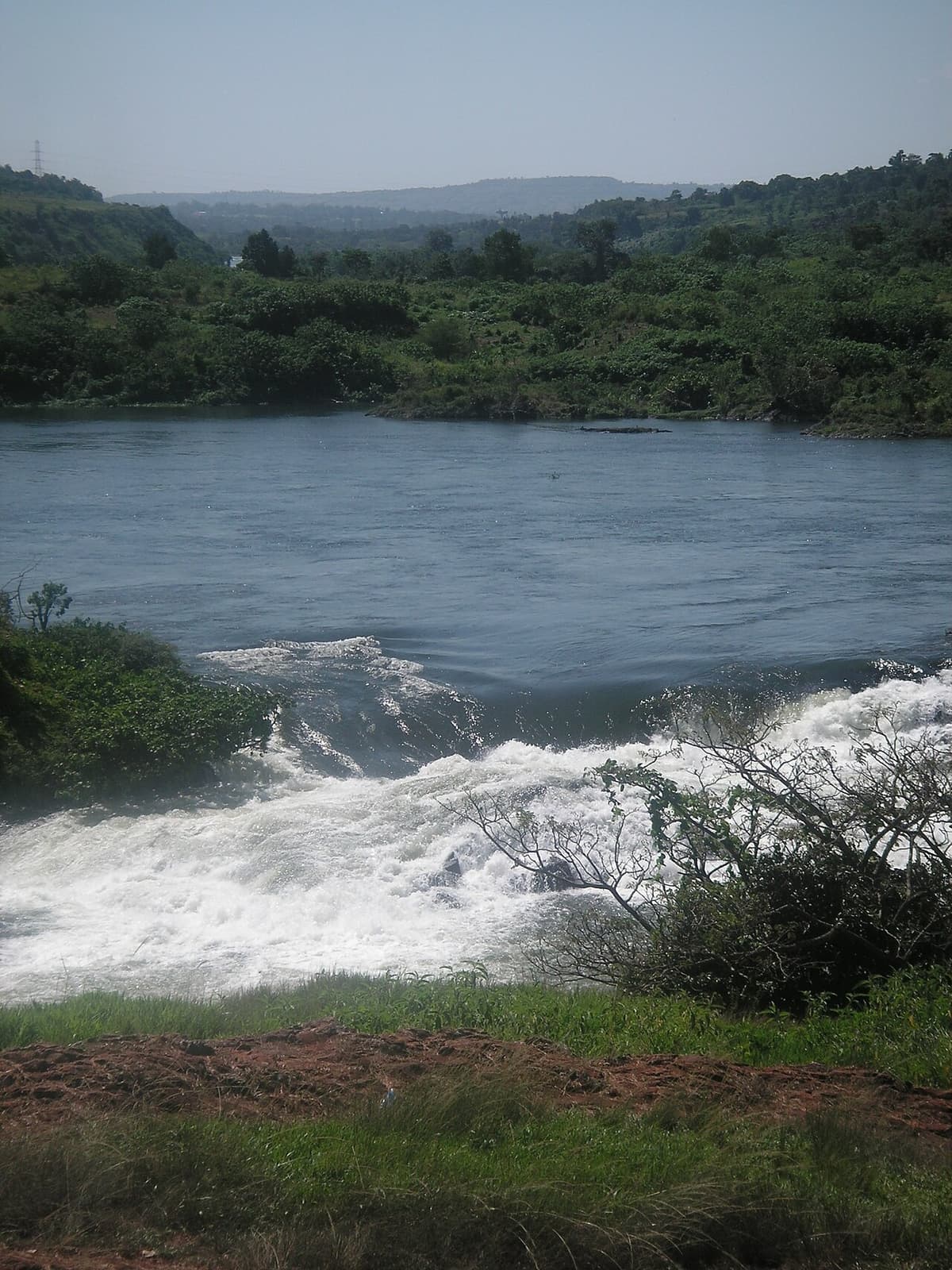
Rwanda-DRC Partnership: From Regional Cooperation to Renewed Tensions
Kigali, 10 August 2026 - The relationship between Rwanda and the Democratic Republic of Congo has shifted sharply in recent years, moving from efforts to strengthen security and economic cooperation to renewed accusations over armed groups and the exploitation of eastern Congo’s mineral resources.
After Félix Tshisekedi became president of the DRC, Kigali and Kinshasa pursued closer ties, culminating in a series of agreements in 2021 aimed at improving security cooperation, cross-border trade and investment. The initiatives were designed to allow the two neighboring countries to address shared challenges directly and create opportunities for economic development.
In February 2021, Rwandan and Congolese security and intelligence officials agreed to strengthen intelligence sharing, particularly in the fight against armed groups such as the FDLR and ADF. The approach marked an attempt to replace confrontation with greater coordination on regional security.
The partnership expanded during a meeting between Presidents Paul Kagame and Félix Tshisekedi in Rubavu and Goma on 26 and 27 June 2021. The two countries signed agreements covering investment, taxation and mineral trade. Among them was a deal involving Congolese state mining company Sakima SA and Rwandan company Dither Ltd, under which gold produced in Kivu and Maniema would be processed in Rwanda, including at the Gasabo Gold Refinery in Kigali.
The initiative was presented as a way to formalize mineral trade, increase state revenues and reduce smuggling networks that have long been linked to armed groups operating in eastern DRC.
However, relations deteriorated toward the end of 2021 and into 2022, as Kinshasa increasingly accused Rwanda of supporting the M23 armed group and seeking to benefit from Congo’s mineral wealth. Kigali has repeatedly rejected the accusations.
The debate has also revived questions about the historical role of foreign interests in Congo’s mineral sector. Critics of the existing system argue that decades of external involvement in the exploitation and export of gold and other valuable minerals have allowed foreign intermediaries to capture significant profits while local communities and the Congolese state have received less benefit.
Supporters of closer Rwanda-DRC cooperation argue that the 2021 agreements offered a potential framework for addressing two interconnected problems: armed-group activity and illegal mineral trafficking. The collapse of that cooperation, they contend, has contributed to renewed tensions and competing narratives over the roots of instability in eastern Congo.
In April 2025, President Kagame argued that international attention on minerals should not overshadow the security and humanitarian problems affecting communities in eastern DRC. He questioned the logic of focusing on mineral wealth while civilians continue to face violence, displacement and insecurity.
The deterioration of Rwanda-DRC relations has since become one of the central challenges shaping security and diplomacy in the Great Lakes region, with the future of economic cooperation increasingly tied to efforts to resolve the broader conflict in eastern Congo.
Related reading
Politics - 15 August 2026
Rwanda Rejects DRC’s Genocide Narrative
Nduhungirehe also criticized Kinshasa’s decision to use the term “genocide,” arguing that the DRC is attempting to portray itself exclusively as a victim and shift responsibility for decades of conflict onto Rwanda.
By Amina Kabasele - 2 min read
Politics - 14 August 2026
Referendum Law Sent Back and Dialogue Ultimatum Shape Mid-August Political Standoff
Kinshasa, DRC, August 14, 2026 - Mid-August politics in the Democratic Republic of the Congo crystallised around two interlocking tracks: the fate of the referendum-organisation law and the still-unsigned national…
By Amina Kabasele - 3 min read
Politics - 14 August 2026
DRC Restored to Full SADC Participation After Paying Arrears
Kinshasa, 14 August 2026 - The Democratic Republic of Congo has regained full rights to participate in the Southern African Development Community (SADC) after more than two years of suspension linked to unpaid financial…
By Amina Kabasele - 2 min read