
Politics - 14 August 2026
Referendum Law and Dialogue Ultimatum Shape Political Standoff
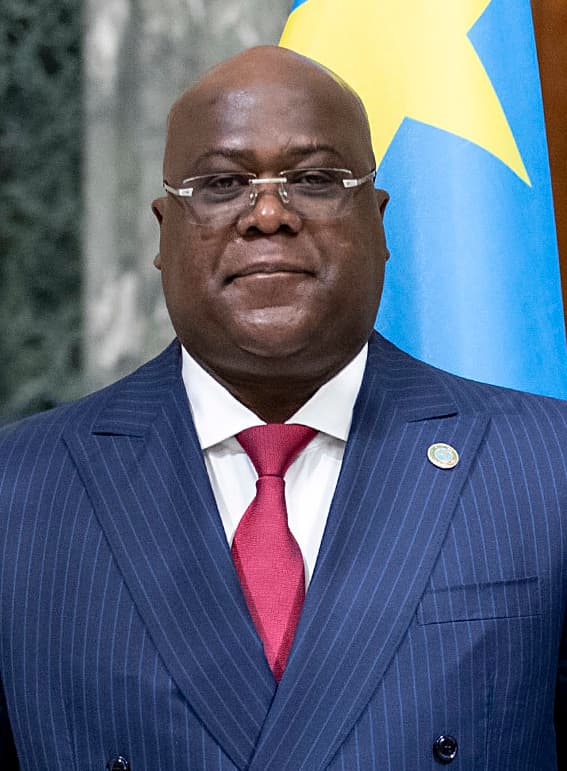
Kinshasa, August 14, 2026 - The Democratic Republic of the Congo's mid-August political agenda was dominated by the referendum-organisation law and the still-unsigned national dialogue endorsed by President Felix Tshisekedi after consultations with church leaders.
On August 13, the National Assembly bureau said Tshisekedi had asked both chambers, by an August 10 letter under Article 137 of the Constitution, to hold a fresh deliberation on the law. The step followed Constitutional Court ruling R.Const. 2695 of July 28, which found the text constitutional but attached 13 interpretive reservations requiring deletions, substitutions and rewrites. Parliament scheduled the new reading for the September 2026 session.
Author Paul-Gaspard Ngondankoy welcomed the move, saying the Court's clauses should be written into the statute so implementing bodies do not have to keep citing the judgment. Lamuka spokesperson Prince Epenge called the return of the law "a small step in the right direction," urged Union Sacree deputies to keep any referendum within constitutional limits, and said the Article 64 coalition would reassess the national situation on August 15.
That deadline was set after the coalition froze street action against constitutional change when churches announced an inclusive dialogue initiative. On August 4, Alain Bolodjwa quit the C64, arguing the platform had shifted from defending the constitutional order into "begging" for dialogue and had mishandled its earlier anti-referendum mobilisation calendar.
Government messaging, voiced by spokesperson Patrick Muyaya, keeps AFC/M23 outside the domestic forum: Washington is presented as the track for Rwanda, Doha as the track for the rebellion's eight protocols, and the internal dialogue as a Congolese front against what Kinshasa calls Rwandan aggression. Moise Katumbi's Ensemble conditioned participation on genuine inclusivity, including armed actors where relevant, no constitutional rewrite at the table, international facilitation and treatment of root causes amid mass displacement. Joseph Kabila's Sauvons la RDC backed dialogue in principle but demanded AU/UN-backed neutral mediation, full inclusivity, a third-country venue, a consensual agenda, binding resolutions respecting term limits and abandoning any constitutional-change referendum before talks, political de-escalation measures and an African-international follow-up mechanism, while rejecting any process run under Tshisekedi's authority.
Related reading
Politics - 31 August 2026
Angolan President Warns Eastern DRC Conflict Could Spill Across Great Lakes
Kinshasa, August 31, 2026 - Angolan President Joao Lourenco warned that the long-running conflict in eastern DRC could have effects across the Great Lakes region, adding diplomatic weight to calls for stronger…
By Amina Kabasele - 3 min read
Politics - 31 August 2026
Rwanda Rejects Ethnic Framing In Uganda Military Chief's Remarks
Kigali, August 31, 2026 - Rwanda pushed back against social-media remarks attributed to Uganda's Chief of Defence Forces, Gen.
By Amina Kabasele - 2 min read
Politics - 31 August 2026
African Union Backs Sudan Dialogue Plan As Civilian Blocs Object
Khartoum, August 31, 2026 - The African Union endorsed a new Sudanese dialogue initiative aimed at ending the civil war, but major civilian and political groups rejected the move as premature and potentially favorable…
By Amina Kabasele - 2 min read