
Politics - 10 April 2026
MSF Reports Over 3,300 Sexual Violence Cases in Darfur
Darfur, March 31, 2026 - A new report by Médecins Sans Frontières (MSF) has revealed that more than 3,300 survivors of sexual violence were treated in Sudan’s Darfur region over a period of less than two years, underscoring the scale of abuses in the conflict-affected areas.
The findings, released Tuesday, show that 3,396 survivors received care at MSF-supported facilities in North and South Darfur between January 2024 and November 2025. The report draws on medical data, survivor testimonies, and interviews with local actors working closely with affected communities.
Women and girls accounted for 97% of the victims, with MSF warning that the actual number of cases is likely far higher due to limited access to medical services and the risks associated with seeking care.
According to the report, fighters from the Rapid Support Forces (RSF) and allied militias were responsible for widespread and systematic sexual violence. Patterns of abuse indicate that in North Darfur, armed men were involved in more than 95% of reported cases, while in South Darfur, around 60% of assaults involved multiple perpetrators.
The report, titled “I Have Something to Tell You: Surviving the Sexual Violence Crisis in Darfur,” highlights a sharp escalation in violence following the capture of El Fasher in October 2025. In the aftermath, MSF treated more than 140 survivors who had fled to Tawila, with 94% reporting attacks by armed men.
Many survivors said they were assaulted while fleeing violence, often in front of family members and frequently by multiple perpetrators. The report also notes that non-Arab communities were deliberately targeted as part of a broader pattern of humiliation and intimidation.
Between December 2025 and January 2026, MSF recorded 732 additional cases in displacement camps around Tawila. Women reported facing attacks both during their journeys and within the camps themselves.
At the Daba Naira camp in Tawila, at least 206 survivors received consultations specifically related to rape. Most victims were only able to access medical care approximately three months after the assault, reflecting both the dangers of travel and the lack of immediate services.
The report highlights that overcrowding, poor security, and unsafe living conditions-including distant water points and unprotected sanitation facilities-have significantly increased the vulnerability of displaced women.
Tawila, now under the control of the Sudan Liberation Movement led by Abdul Wahid al-Nur, has become a refuge for more than 715,000 displaced people living in dire humanitarian conditions.
MSF also documented testimonies from 150 survivors in the weeks following the RSF takeover of Zamzam camp, located southwest of El Fasher, further illustrating the widespread nature of the abuses.
The organization warned that the continued lack of protection and access to essential services is exacerbating the crisis, calling for urgent international action to safeguard civilians and support survivors.
Related reading
Politics - 31 August 2026
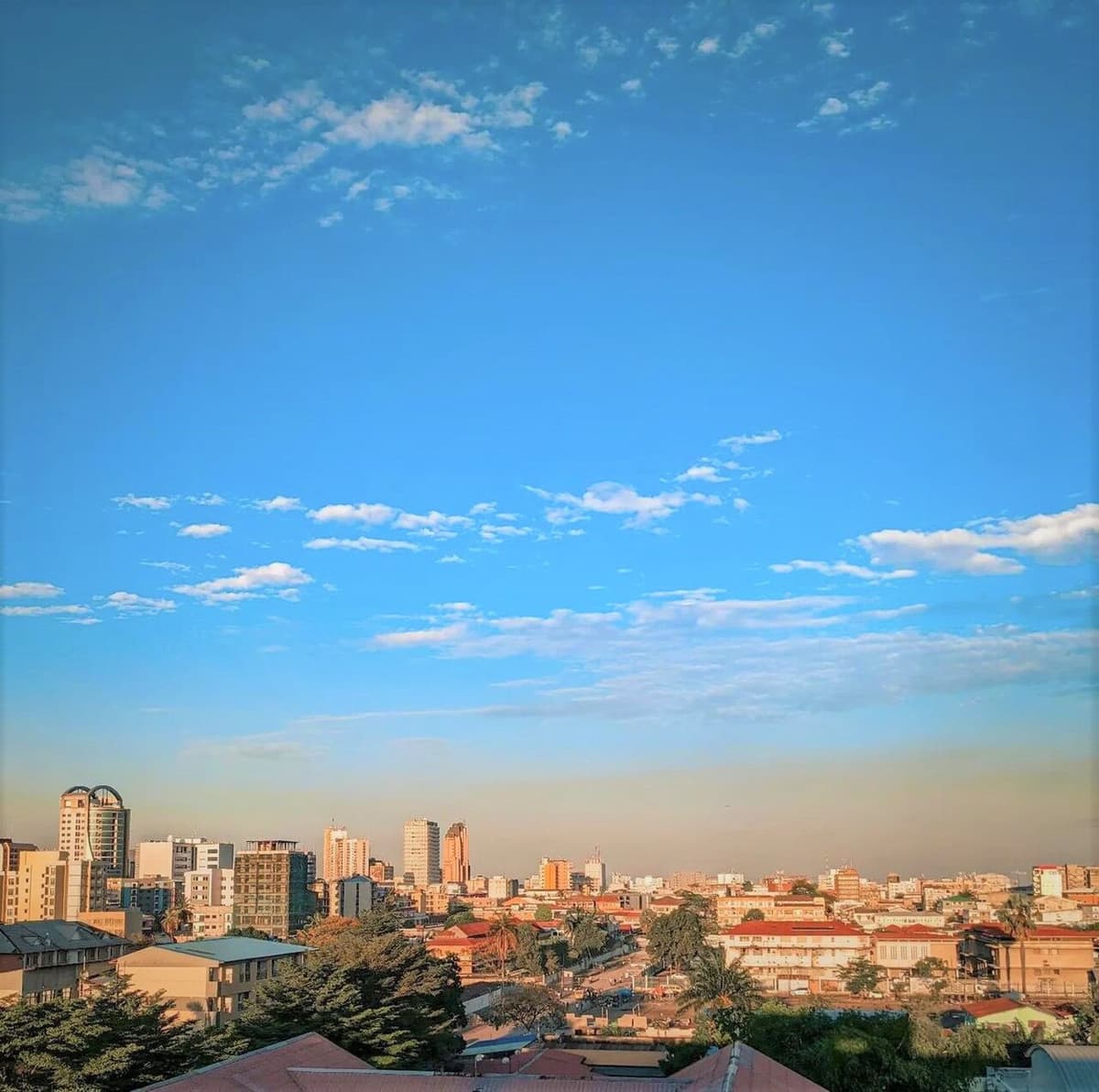
Angolan President Warns Eastern DRC Conflict Could Spill Across Great Lakes
Kinshasa, August 31, 2026 - Angolan President Joao Lourenco warned that the long-running conflict in eastern DRC could have effects across the Great Lakes region, adding diplomatic weight to calls for stronger…
By Amina Kabasele - 3 min read
Politics - 31 August 2026
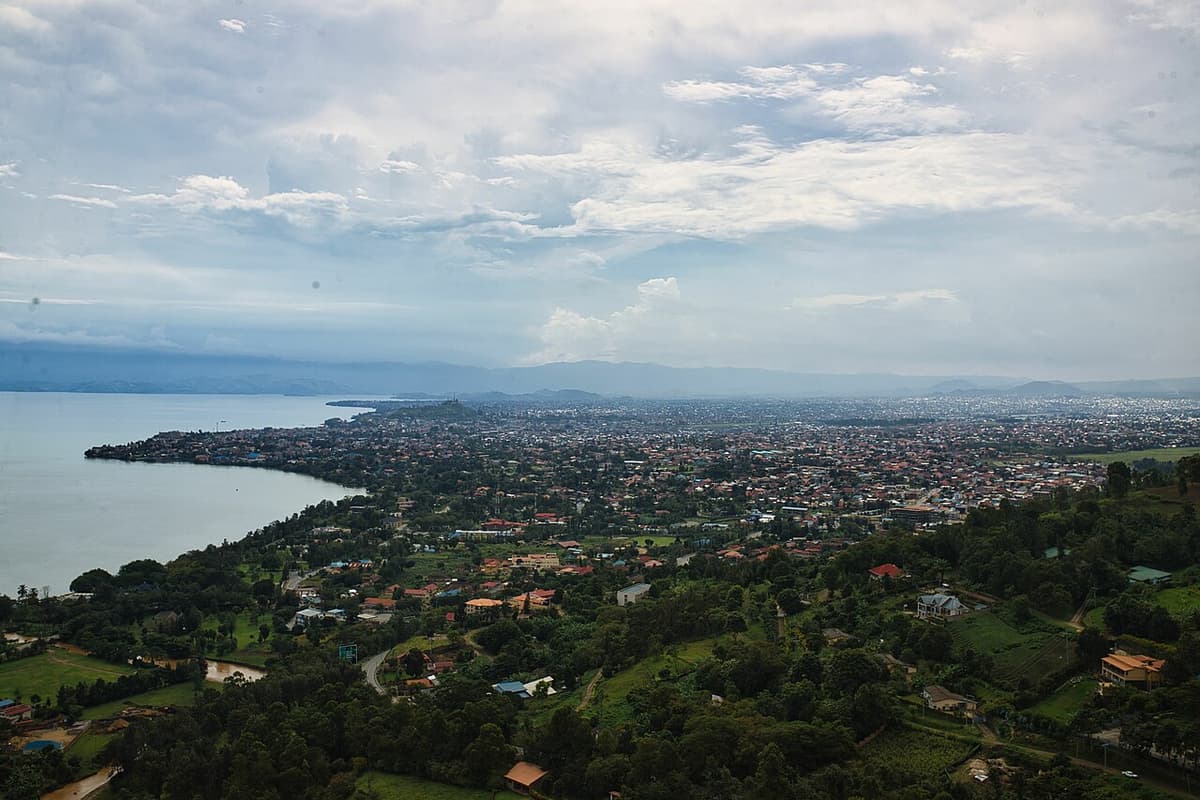
Rwanda Rejects Ethnic Framing In Uganda Military Chief's Remarks
Kigali, August 31, 2026 - Rwanda pushed back against social-media remarks attributed to Uganda's Chief of Defence Forces, Gen.
By Amina Kabasele - 2 min read
Politics - 31 August 2026
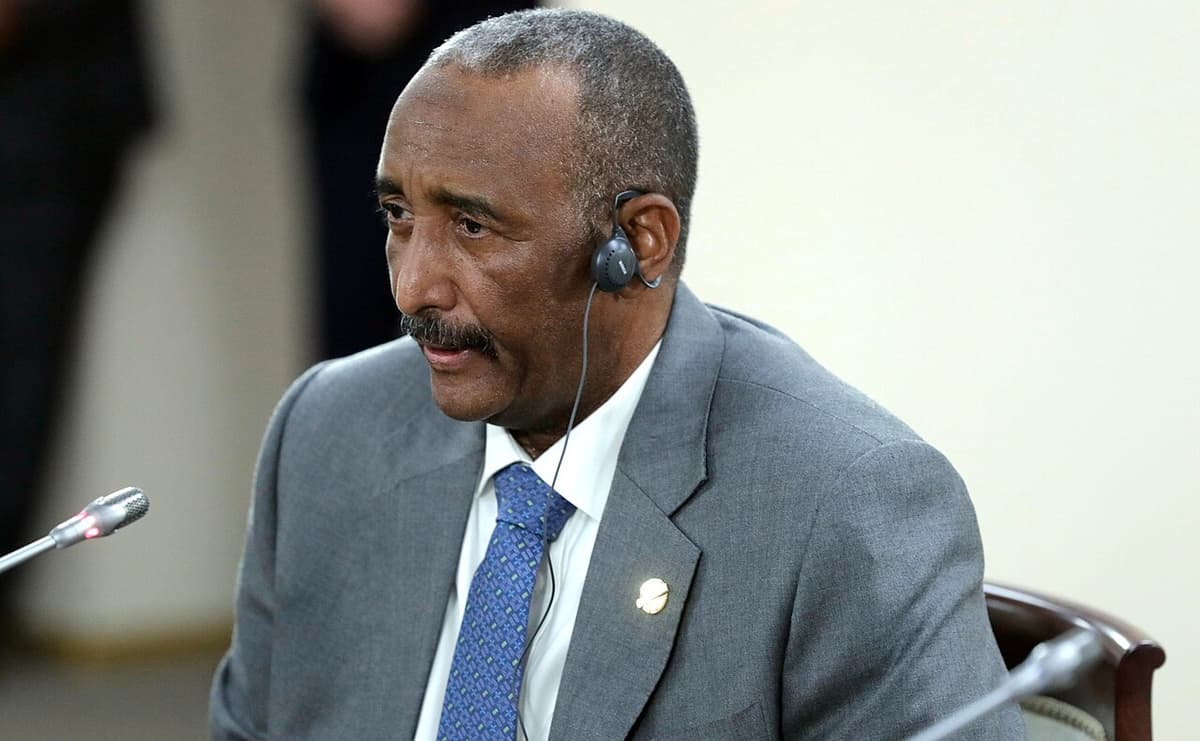
African Union Backs Sudan Dialogue Plan As Civilian Blocs Object
Khartoum, August 31, 2026 - The African Union endorsed a new Sudanese dialogue initiative aimed at ending the civil war, but major civilian and political groups rejected the move as premature and potentially favorable…
By Amina Kabasele - 2 min read