Society - 24 November 2025
Minister Nsengimana Emphasizes Duty of Inclusive Education for People with Disabilities
Kigali, November 27, 2025 - The Minister of Education, Joseph Nsengimana, has underscored that educating people with disabilities is not an act of pity but a national duty, stressing the importance of inclusive education at all levels. He delivered the message during the launch of a two-day conference on inclusive education policy, which seeks to assess progress and identify areas needing reinforcement.
Minister Nsengimana highlighted that more than 5,000 schools across Rwanda now have at least one teacher trained to identify children with disabilities. This ensures that students receive tailored support to help them keep pace with their studies.
He further emphasized the introduction of assistive technology, noting that 73 centers have been equipped with devices that convert regular text into Braille, enabling visually impaired students to learn more effectively.
“Educating children with disabilities is not a matter of pity, but a responsibility, just like we teach all children,” Nsengimana said. “These children are the Rwanda of tomorrow. If we don’t educate them, we are not preparing the country for anything. It is important that we educate all children because it is the government’s program.”
Ndayisaba Emmanuel, Executive Secretary of the National Council for Persons with Disabilities, expressed gratitude for the country’s efforts in education, employment, sports, healthcare, and accessibility tools such as prosthetics, braces, and insurance coverage.
Nyirahabinshuti Beatha, a blind teacher at GS Gisozi I, shared her personal journey, highlighting that disability does not limit potential. “I competed for a teaching position like everyone else and was selected based on my abilities, not out of compassion. I currently teach English to fourth-year primary students, with only minor assistance for writing on the blackboard,” she said. She called for improved infrastructure in schools to make workplaces more accessible for people with disabilities.
Abizeyimana Justin, a specialist in teaching children with disabilities at Umubano Academy, pointed out the challenges students face in standardized exams. He argued that children with disabilities require adapted testing methods and access to appropriate learning materials to perform effectively.
Simununa Benitha, a deaf primary school student, highlighted communication barriers in classrooms where teachers and peers often do not know sign language. She stressed the need to expand sign language instruction for both teachers and students to enhance learning and inclusion.
The conference represents Rwanda’s commitment to inclusive education, aiming to ensure that students with disabilities are not left behind. By improving teaching methods, infrastructure, and assistive tools, the country seeks to empower all children to reach their full potential and actively contribute to national development.
Related reading
Society - 31 August 2026
Holiday Teaching Ban Divides Parents And Teachers Nationwide
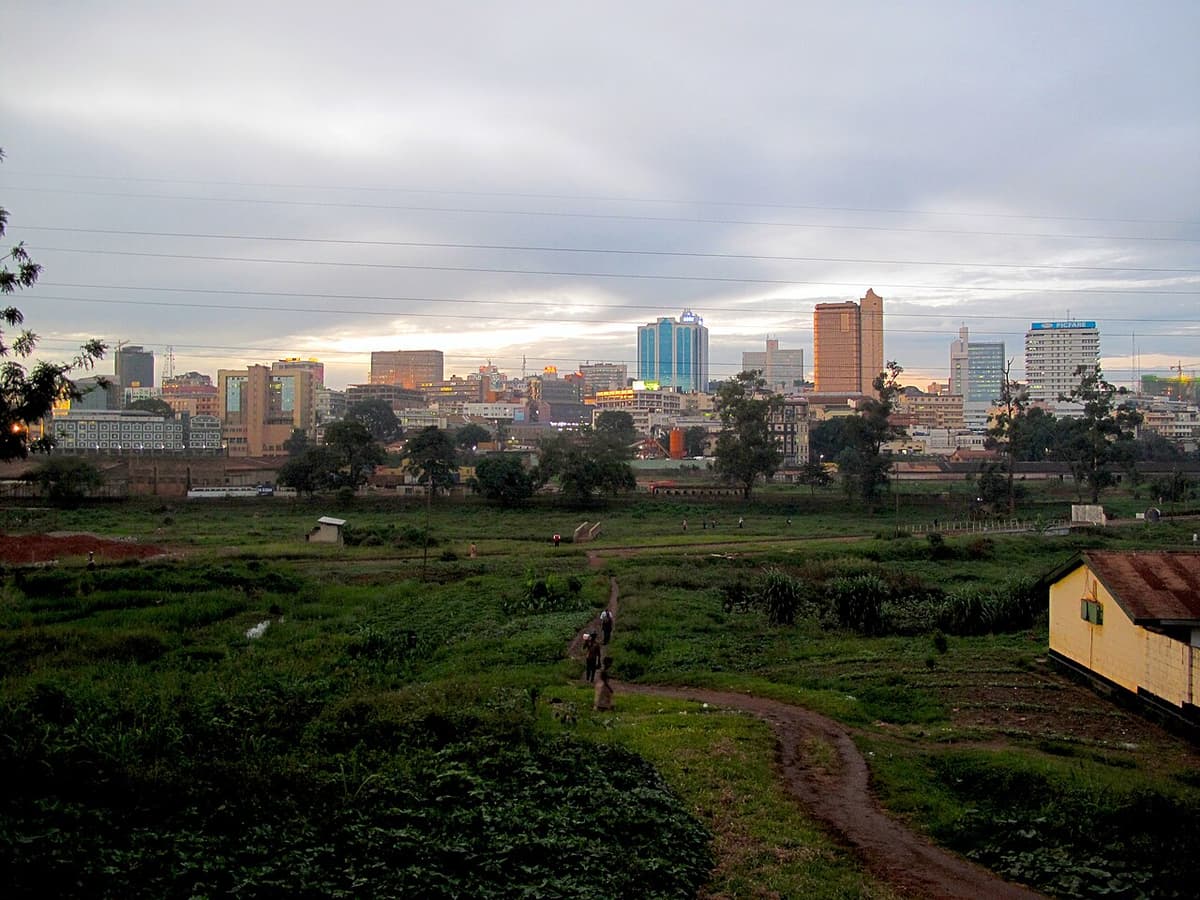
Kampala, August 31, 2026 - A government ban on holiday teaching has triggered nationwide debate, exposing tensions between child welfare, education quality and exam preparation.
By Sarah Ndaya - 2 min read
Society - 30 August 2026
Rwanda Orders Exam Retakes After Mass Cheating Probe
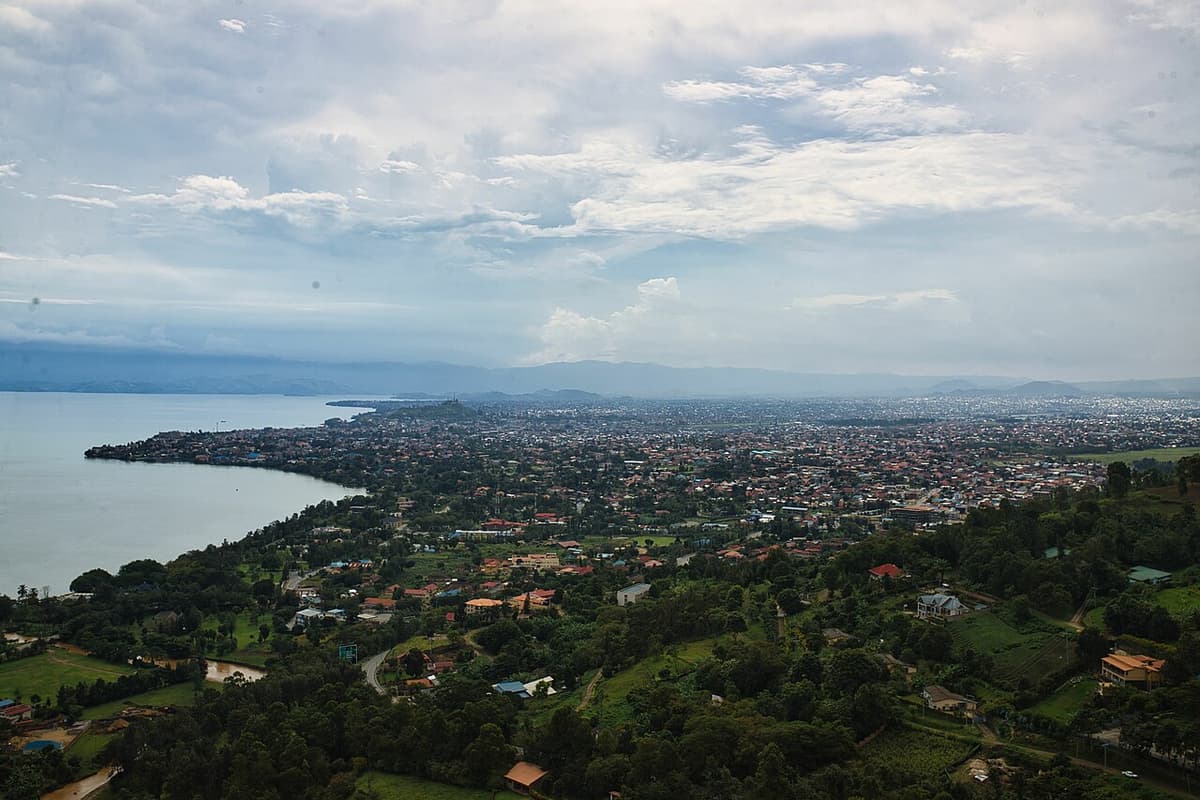
Kigali, August 30, 2026 - Rwanda's Ministry of Education ordered 7,188 primary learners to retake the 2025/26 Primary Leaving Examinations after investigations confirmed mass cheating in 254 examination rooms.
By Sarah Ndaya - 2 min read
Society - 29 August 2026
Former Botswana President Joins Rwandans In Umuganda
Kigali, August 29, 2026 - Former Botswana President Mokgweetsi Masisi joined Rwandans in community service during an umuganda activity, highlighting Rwanda's monthly civic work tradition and its use as a diplomatic…
By Sarah Ndaya - 3 min read