
Society - 5 November 2025
Mali Closes Schools as Fuel Blockade by Armed Group Paralyzes the Country
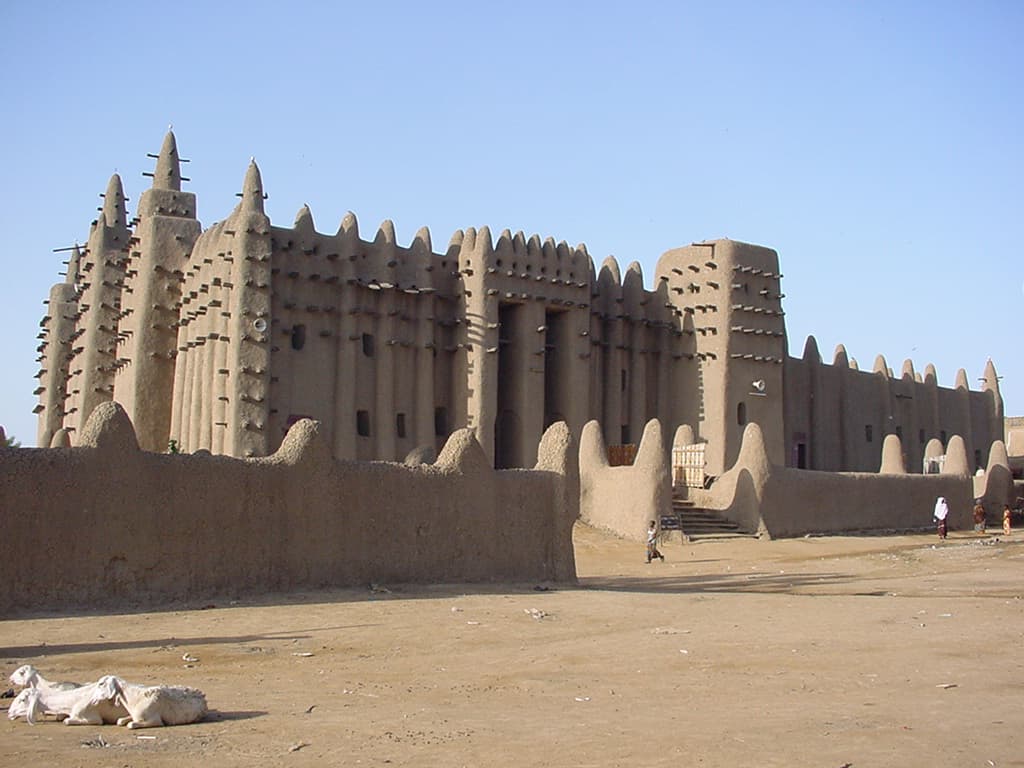
Bamako, November 5, 2025 - Mali’s military government has ordered a two-week nationwide closure of schools and universities as the country reels from the economic paralysis caused by an ongoing fuel blockade imposed by jihadist fighters linked to al-Qaeda.
The announcement, made on Sunday, October 26, 2025, by Education Minister Amadou Sy Savane, cited disruptions in fuel supply that have crippled transportation across the landlocked nation.
“The suspension until November 9 is due to disruptions in fuel supplies affecting the movement of school staff,” Savane said, adding that authorities are “doing everything possible” to restore normal supplies before classes resume on November 10.
A statement from the Interministerial Committee for Crisis and Disaster Management confirmed that fuel restrictions would remain in place “until further notice,” with priority at petrol stations given to emergency services, public transport, and essential assistance vehicles.
The blockade, declared nearly two months ago by Jama’at Nusrat ul-Islam wa al-Muslimin (JNIM) - an al-Qaeda affiliate operating across the Sahel - has severely disrupted fuel imports from Senegal and Ivory Coast, Mali’s key trade corridors.
JNIM claimed the blockade was retaliation for government restrictions on the sale of fuel outside official stations in rural areas - a measure aimed at cutting off the group’s supply routes.
The embargo has pushed Mali’s already fragile economy to the brink. Long queues now stretch for kilometers at gas stations in Bamako and other cities, while public transport, commerce, and electricity supply have been heavily affected. Prices of basic goods have soared, and several private businesses have temporarily suspended operations.
Mali’s reliance on fuel imports - vital for its power generation, transportation, and agriculture sectors - has magnified the crisis. The landlocked nation imports nearly all its petroleum products, making it especially vulnerable to border disruptions.
For more than a decade, Mali and its neighbors Burkina Faso and Niger have faced persistent attacks from armed groups affiliated with al-Qaeda and ISIL (ISIS). Following successive coups in all three countries, the new juntas expelled French forces and sought security cooperation with Russian Wagner mercenaries - a move analysts say has yielded limited success.
Observers note that the ongoing fuel blockade poses one of the most serious tests yet for Mali’s military rulers, who seized power in 2020 promising to restore security and stabilize the economy.
“The blockade is a major setback for the junta,” said one Bamako-based analyst. “It has exposed the regime’s vulnerability and its inability to secure key trade routes despite promises to end the crisis.”
As the fuel crisis deepens, public frustration is growing - even as authorities tighten control over dissent and call for national resilience amid the escalating humanitarian strain.
Related reading
Society - 31 August 2026
Holiday Teaching Ban Divides Parents And Teachers Nationwide
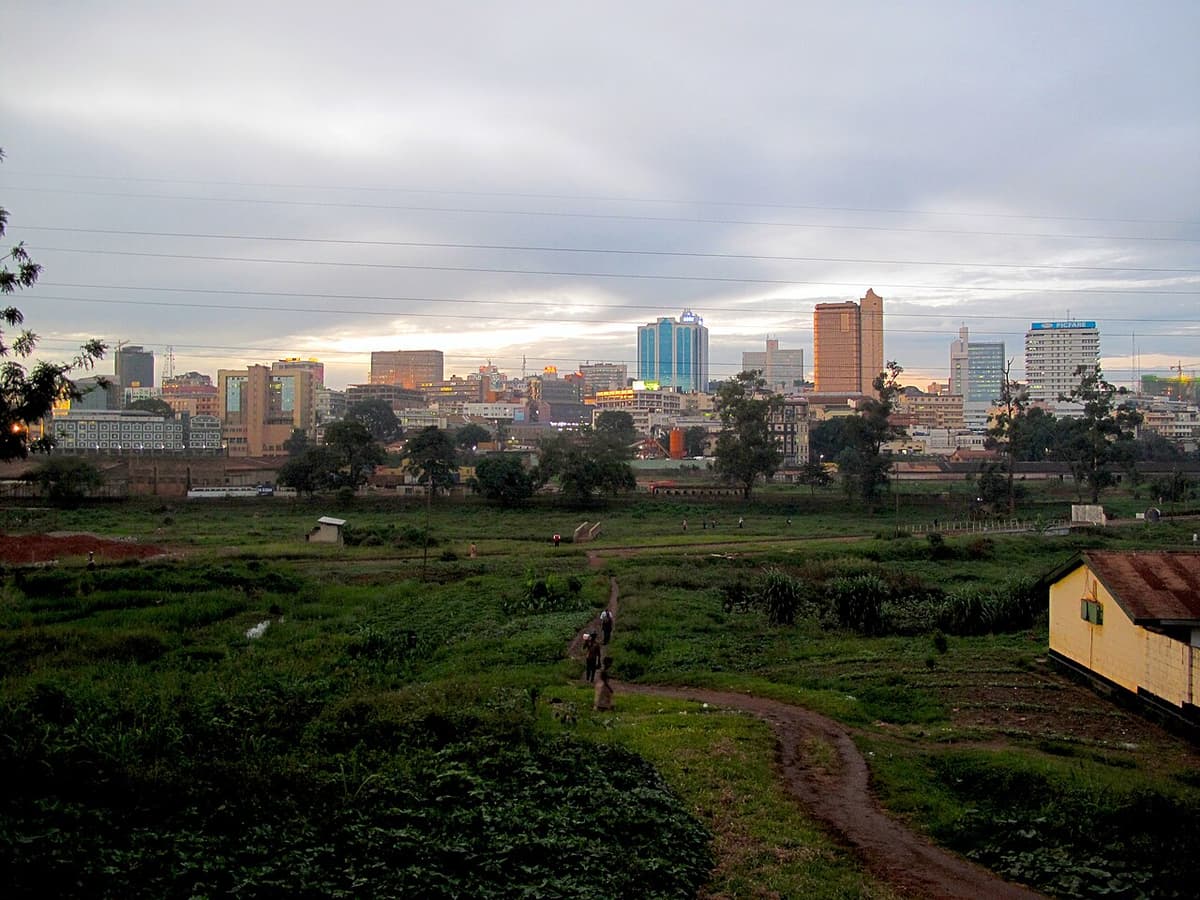
Kampala, August 31, 2026 - A government ban on holiday teaching has triggered nationwide debate, exposing tensions between child welfare, education quality and exam preparation.
By Sarah Ndaya - 2 min read
Society - 30 August 2026
Rwanda Orders Exam Retakes After Mass Cheating Probe
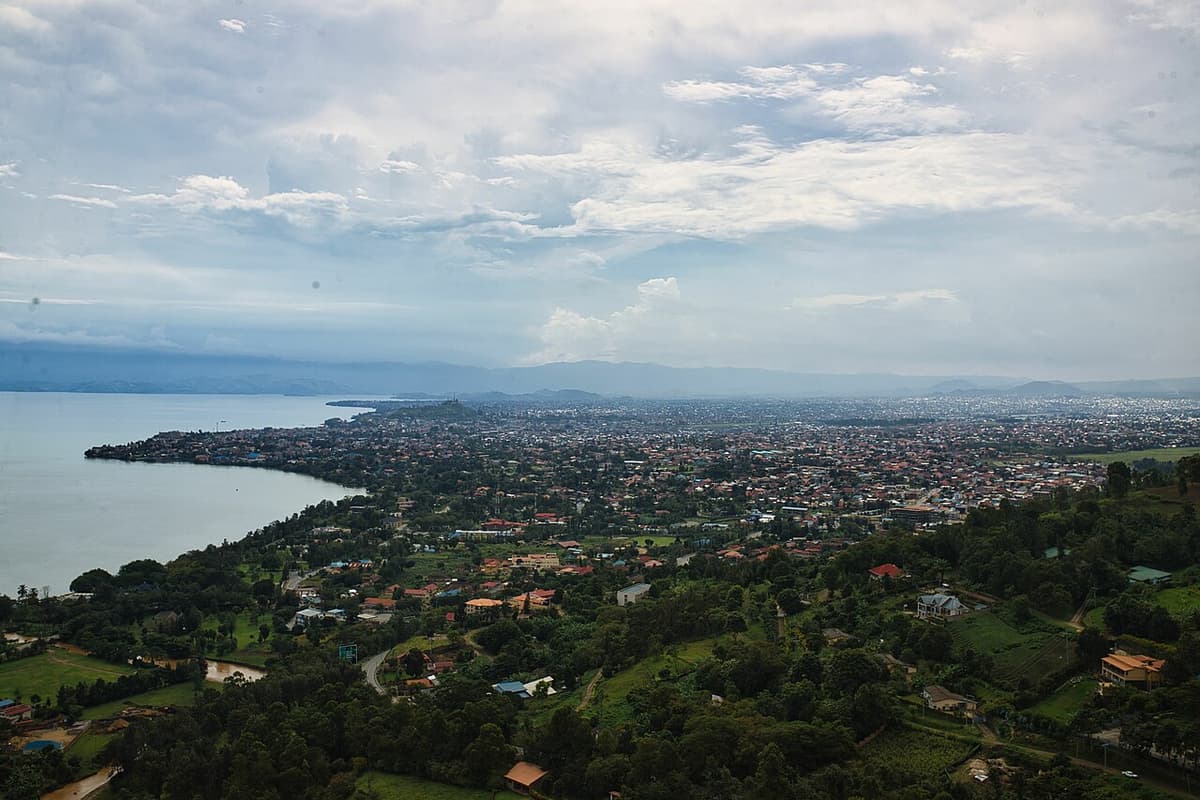
Kigali, August 30, 2026 - Rwanda's Ministry of Education ordered 7,188 primary learners to retake the 2025/26 Primary Leaving Examinations after investigations confirmed mass cheating in 254 examination rooms.
By Sarah Ndaya - 2 min read
Society - 29 August 2026
Former Botswana President Joins Rwandans In Umuganda
Kigali, August 29, 2026 - Former Botswana President Mokgweetsi Masisi joined Rwandans in community service during an umuganda activity, highlighting Rwanda's monthly civic work tradition and its use as a diplomatic…
By Sarah Ndaya - 3 min read