
Economy - 20 April 2026
IRDH Calls for Creation of Mining Royalties Observatory Amid Rising Scrutiny
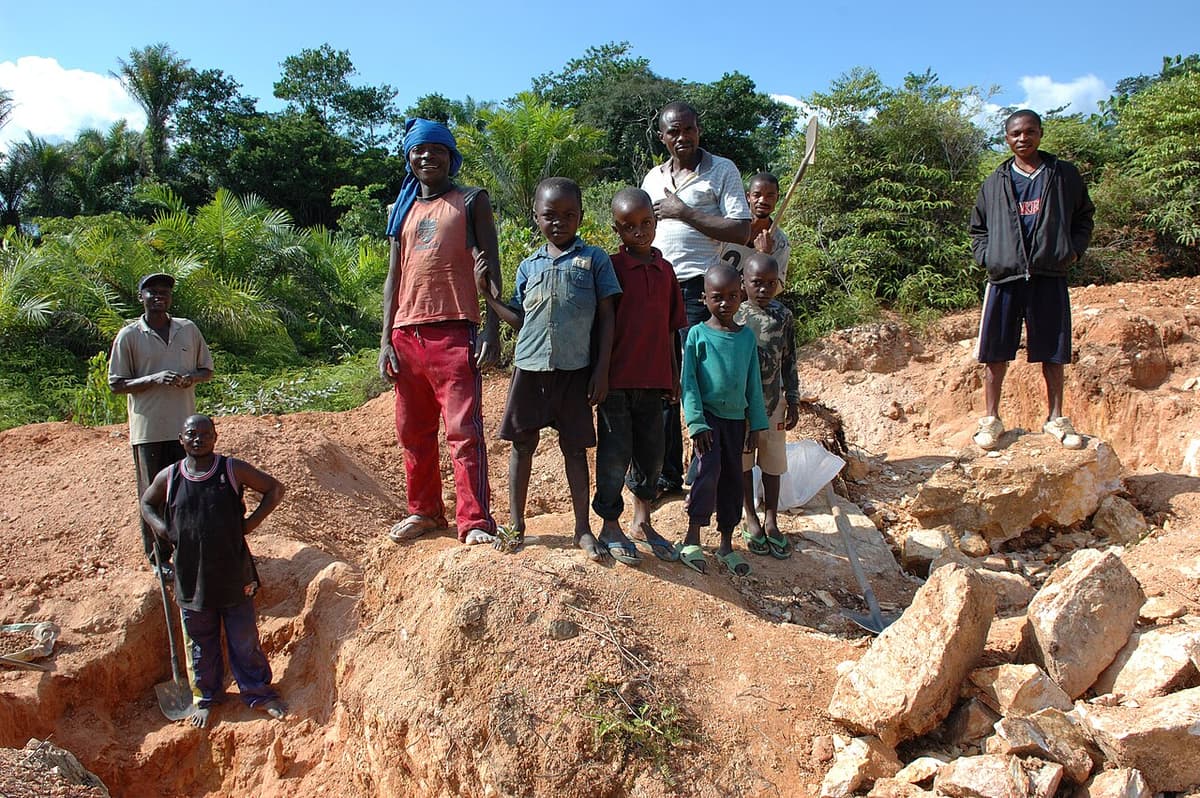
Kinshasa, April 21, 2026 - As the Democratic Republic of Congo expands its role in global critical minerals supply chains, a leading civil society organization is urging stronger oversight of mining revenues and corporate accountability through the creation of a Mining Royalties Observatory.
The Institute for Human Rights Research (IRDH) says the initiative is necessary to address persistent inequalities in the extractive sector and ensure that revenues from mining activities translate into tangible benefits for local communities.
The proposal comes as the country strengthens copper export partnerships with the United States, targeting annual shipments of around 500,000 tons. The operations involve state-owned interests through Gécamines, trading and logistics arrangements with Mercuria Energy Group, and financial backing from the U.S. International Development Finance Corporation.
According to IRDH, the expansion of mining cooperation is reshaping governance expectations in the sector, particularly through emerging initiatives that emphasize traceability and supply chain transparency, including what stakeholders refer to as the “Vault” framework.
The organization argues that while new investors such as KoBold Metals and Virtus Minerals Inc. are generating optimism, human rights compliance must become a binding condition rather than a voluntary commitment.
IRDH notes that the Congolese mining landscape remains dominated by major international groups, including Glencore and other global operators active in copper and cobalt production. It warns that the concentration of mining rights among a limited number of actors makes independent oversight increasingly necessary.
The sector continues to attract substantial financing from international institutions such as the World Bank Group, the African Development Bank, and the Africa Finance Corporation. However, IRDH says these investments have not yet translated into proportionate improvements in living conditions in mining-affected communities.
The proposed Mining Royalties Observatory would aim to shift civil society engagement from advocacy to legal enforcement. It would be tasked with consolidating documentation on mining revenues and contractual obligations into legally actionable evidence for Congolese courts, particularly in cases involving fraud, embezzlement, or environmental non-compliance.
Beyond the national level, the initiative also envisions cooperation with international regulatory bodies, including securities market authorities in major jurisdictions, to increase corporate accountability.
IRDH argues that linking compliance with environmental and social standards to access to international finance could significantly alter incentives for multinational companies operating in the country.
As global competition intensifies over critical minerals, the proposal reflects broader debates over resource governance, revenue transparency, and the balance of power between states, corporations, and affected communities.
Social and Health
Related reading

Economy - 31 August 2026
Rwanda Reclaims Undeveloped Industrial Plots To Improve Land Use
Kigali, August 31, 2026 - Rwanda reclaimed 15 additional industrial plots from investors that failed to develop them within agreed timelines, reinforcing the government's push to ensure scarce industrial land is put to…
By Jean-Marc Okito - 2 min read
Economy - 31 August 2026
High Costs And Information Gaps Slow Solar Uptake Among Farmers
Kampala, August 31, 2026 - High upfront costs and limited information are holding back adoption of solar technologies among Uganda's smallholder farmers, constraining productivity and post-harvest management.
By Jean-Marc Okito - 3 min read
Economy - 31 August 2026
Parliament Cafeteria Closure Exposes Procurement Dispute Over Shs2 Billion Food Deal
Kampala, August 31, 2026 - A procurement dispute over a Parliament catering contract worth between Shs1.3 billion and Shs2 billion has disrupted cafeteria services for lawmakers and staff.
By Jean-Marc Okito - 2 min read