
Économie - 20 avril 2026
L’IRDH appelle à la création d’un observatoire des redevances minières dans un contexte de surveillance croissante
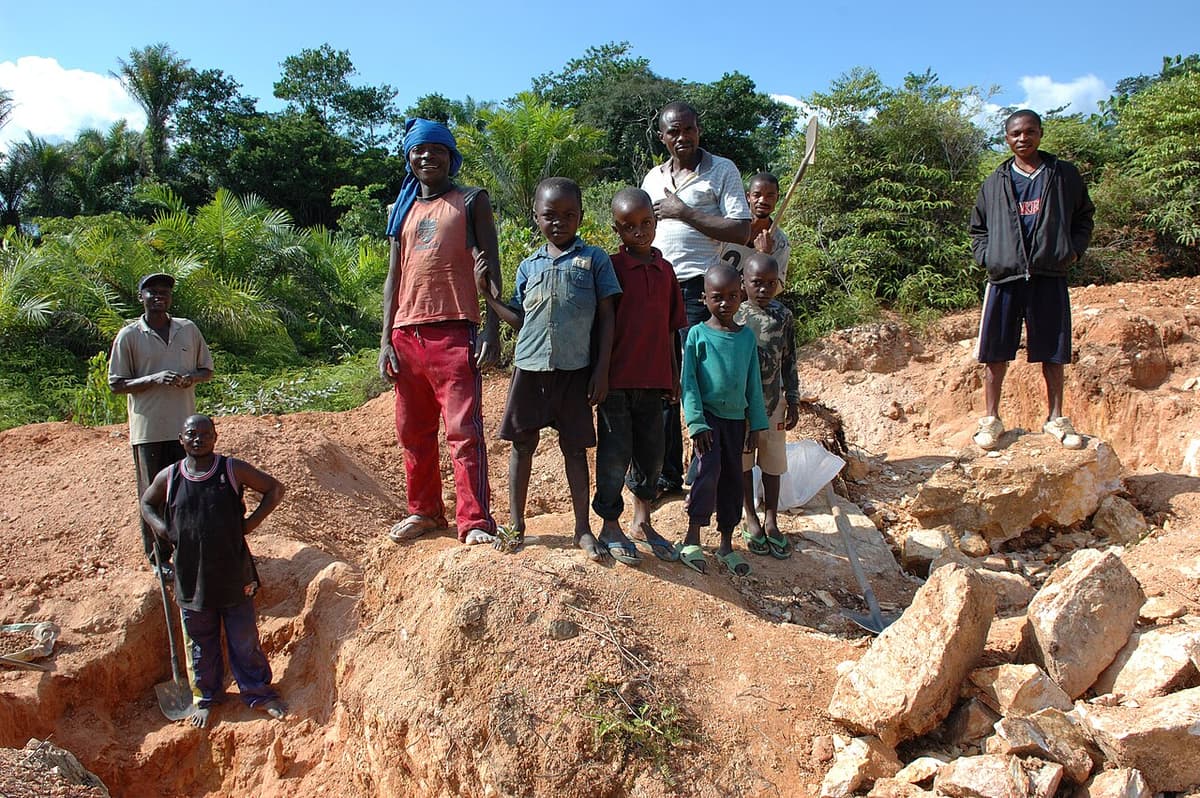
Kinshasa, le 21 avril 2026 - Alors que la République démocratique du Congo élargit son rôle dans les chaînes d'approvisionnement mondiales en minéraux critiques, une organisation de la société civile de premier plan appelle à une surveillance plus renforcée des revenus miniers et à la responsabilité des entreprises grâce à la création d'un Observatoire des redevances minières.
L'Institut de recherche sur les droits de l'homme (IRDH) affirme que cette initiative est nécessaire pour lutter contre les inégalités persistantes dans le secteur extractif et garantir que les revenus des activités minières se traduisent en avantages tangibles pour les communautés locales.
Cette proposition intervient alors que le pays renforce ses partenariats d'exportation de cuivre avec les États-Unis, en visant des expéditions annuelles d'environ 500 000 tonnes. Les opérations impliquent des intérêts publics via la Gécamines, des accords commerciaux et logistiques avec Mercuria Energy Group et le soutien financier de la Société américaine de financement du développement international.
Selon l’IRDH, l’expansion de la coopération minière remodèle les attentes en matière de gouvernance dans le secteur, notamment à travers des initiatives émergentes qui mettent l’accent sur la traçabilité et la transparence de la chaîne d’approvisionnement, y compris ce que les parties prenantes appellent le cadre « Vault ».
L'organisation affirme que même si de nouveaux investisseurs tels que KoBold Metals et Virtus Minerals Inc. suscitent l'optimisme, le respect des droits de l'homme doit devenir une condition contraignante plutôt qu'un engagement volontaire.
L'IRDH constate que le paysage minier congolais reste dominé par de grands groupes internationaux, dont Glencore et d'autres opérateurs mondiaux actifs dans la production de cuivre et de cobalt. Il prévient que la concentration des droits miniers entre un nombre limité d’acteurs rend de plus en plus nécessaire une surveillance indépendante.
Le secteur continue d'attirer des financements substantiels de la part d'institutions internationales telles que le Groupe de la Banque mondiale, la Banque africaine de développement et l'Africa Finance Corporation. Cependant, l'IRDH affirme que ces investissements ne se sont pas encore traduits par des améliorations proportionnelles des conditions de vie dans les communautés touchées par l'exploitation minière.
Le projet d’Observatoire des redevances minières viserait à faire passer l’engagement de la société civile du plaidoyer à l’application des lois. Il serait chargé de consolider la documentation sur les revenus miniers et les obligations contractuelles en preuves juridiquement recevables devant les tribunaux congolais, en particulier dans les cas de fraude, de détournement de fonds ou de non-conformité environnementale.
Au-delà du niveau national, l’initiative envisage également une coopération avec les organismes de réglementation internationaux, notamment les autorités des marchés de valeurs mobilières des principales juridictions, pour accroître la responsabilité des entreprises.
L’IRDH soutient que lier le respect des normes environnementales et sociales à l’accès au financement international pourrait modifier considérablement les incitations pour les entreprises multinationales opérant dans le pays.
Alors que la concurrence mondiale s’intensifie pour les minéraux critiques, la proposition reflète des débats plus larges sur la gouvernance des ressources, la transparence des revenus et l’équilibre des pouvoirs entre les États, les entreprises et les communautés affectées.
Social et Santé
À lire aussi

Économie - 31 août 2026
Le Rwanda récupère des parcelles industrielles non développées pour améliorer l'utilisation des terres
Kigali, le 31 août 2026 - Le Rwanda a récupéré 15 parcelles industrielles supplémentaires auprès d'investisseurs qui n'ont pas réussi à les développer dans les délais convenus, renforçant ainsi la volonté du…
Par Jean-Marc Okito - 2 min de lecture
Économie - 31 août 2026
Les coûts élevés et le manque d'informations ralentissent l'adoption de l'énergie solaire chez les agriculteurs
Kampala, le 31 août 2026 - Les coûts initiaux élevés et le manque d'informations freinent l'adoption des technologies solaires chez les petits agriculteurs ougandais, limitant la productivité et la gestion post-récolte.
Par Jean-Marc Okito - 3 min de lecture
Économie - 31 août 2026
La fermeture de la cafétéria du Parlement expose un différend sur un contrat de nourriture de 2 milliards de Shs
Kampala, le 31 août 2026 - Un différend sur un contrat de restauration du Parlement d'une valeur comprise entre 1,3 milliard et 2 milliards de Shs a perturbé les services de la cafétéria pour les législateurs et le…
Par Jean-Marc Okito - 2 min de lecture