
Politics - 13 August 2026
International Partners Press Kinshasa For Realistic FDLR Neutralisation Plan
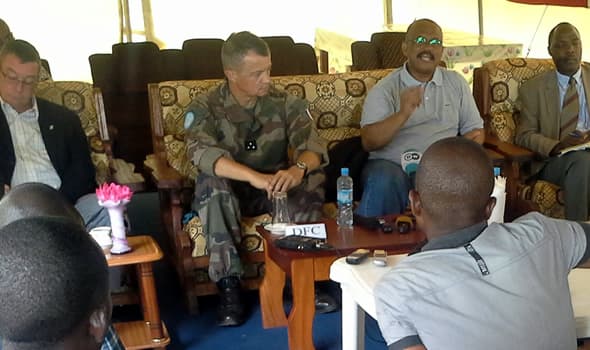
Kinshasa, August 13, 2026 - The International Contact Group for the Great Lakes pressed the Congolese government to produce a rapid and realistic operational plan and calendar for the neutralisation of the FDLR, after Kinshasa announced that an FDLR faction had signed a disarmament, demobilisation and cantonment protocol.
The group, which includes the United States, Belgium, Canada, Denmark, the European Union, France, Germany, the Netherlands, Sweden, Switzerland and the United Kingdom, said any collocation or operational collaboration with FDLR elements would be incompatible with commitments under the Washington framework. It also asked Kinshasa to clarify anti-impunity mechanisms, work with MONUSCO as a key partner and align implementation with the CONOPS on force disengagement and the lifting of Rwanda's defensive measures.
The diplomatic push followed Kinshasa's explanation that FDLR political and military leaders had accepted a first phase of demilitarisation, demobilisation and cantonment if camps were secure and viable and non-refoulement was guaranteed. A second phase would envisage dissolution and voluntary return to Rwanda, or relocation to a third country if security and rights conditions in Rwanda were deemed unmet, under an international monitoring mechanism.
Kinshasa has argued that five of six identified FDLR zones are under Rwanda or AFC/M23 control, leaving only Walikale under Congolese authority, and has called for Rwanda to resume a progressive withdrawal so neutralisation can proceed. Kigali dismissed the protocol as a non-event and accused Kinshasa of delaying its Washington-related obligations, while Kinshasa said its disarmament program already had a draft operational plan with timeline and budget awaiting formal validation.
The Contact Group also welcomed the Doha prisoner-exchange step facilitated by the ICRC and urged immediate de-escalation, civilian protection and unimpeded humanitarian access. The statement keeps international pressure on both security sequencing and verification, issues central to any durable reduction in eastern Congo's conflict risk.
Related reading

Politics - 31 August 2026
Angolan President Warns Eastern DRC Conflict Could Spill Across Great Lakes
Kinshasa, August 31, 2026 - Angolan President Joao Lourenco warned that the long-running conflict in eastern DRC could have effects across the Great Lakes region, adding diplomatic weight to calls for stronger…
By Amina Kabasele - 3 min read

Politics - 31 August 2026
Rwanda Rejects Ethnic Framing In Uganda Military Chief's Remarks
Kigali, August 31, 2026 - Rwanda pushed back against social-media remarks attributed to Uganda's Chief of Defence Forces, Gen.
By Amina Kabasele - 2 min read
Politics - 31 August 2026
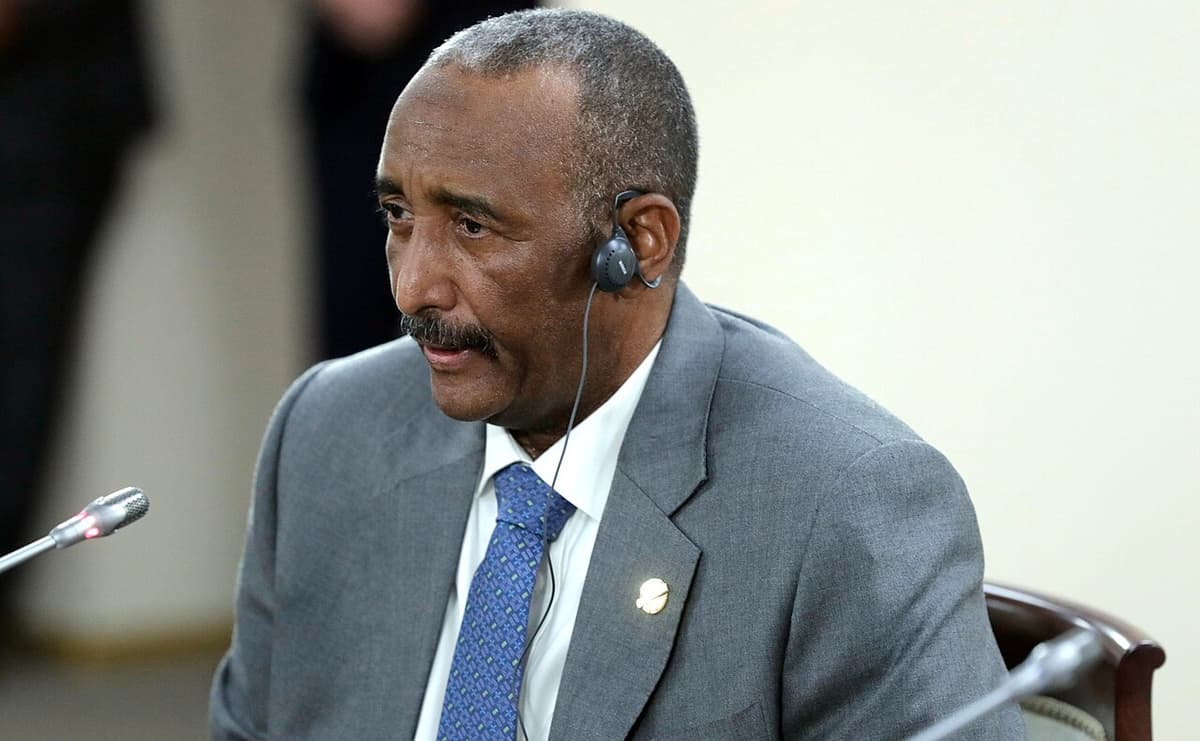
African Union Backs Sudan Dialogue Plan As Civilian Blocs Object
Khartoum, August 31, 2026 - The African Union endorsed a new Sudanese dialogue initiative aimed at ending the civil war, but major civilian and political groups rejected the move as premature and potentially favorable…
By Amina Kabasele - 2 min read