
Politics - 7 June 2026
FDC Criticises Museveni’s State of the Nation Address, Calls for Greater Accountability
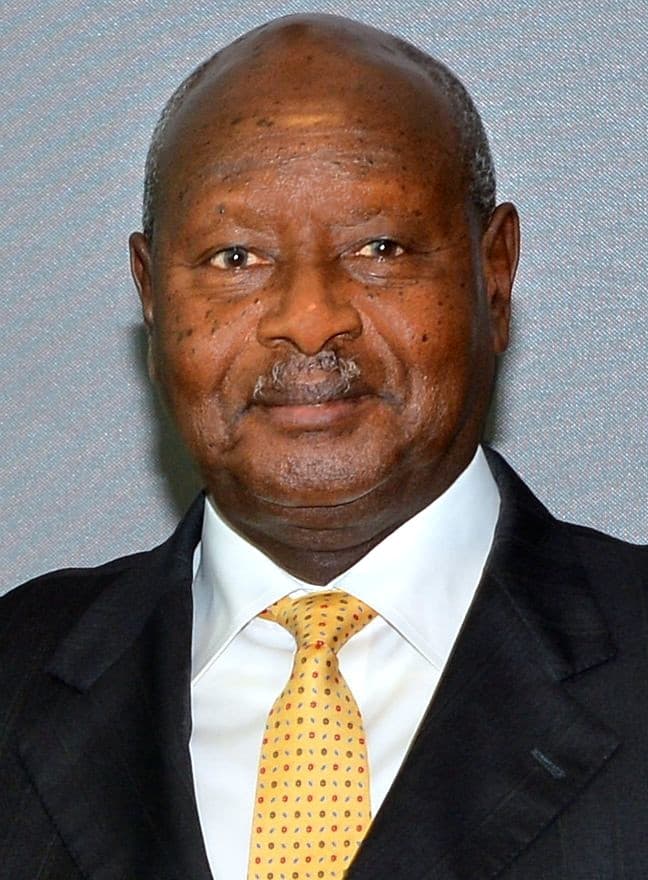
Kampala, June 8, 2026 - The opposition Forum for Democratic Change (FDC) has criticised President Yoweri Museveni’s State of the Nation Address, arguing that it fell short of constitutional expectations for accountability and focused excessively on historical narratives rather than recent government performance.
In a statement issued following the address, the party argued that the President is constitutionally required to provide Parliament with an assessment of the country’s performance, including developments in the economy, security, infrastructure, governance, and government priorities for the coming year.
FDC contended that the address focused heavily on long-term historical comparisons rather than measurable progress made since the previous State of the Nation Address, arguing that Parliament had expected a clearer account of recent government achievements, shortcomings, and future targets.
The opposition acknowledged Uganda’s long-term socio-economic transformation over recent decades but maintained that historical comparisons do not substitute for annual accountability and performance reporting.
The party also criticised remarks discouraging Ugandans from seeking employment opportunities abroad, arguing that current economic conditions and limited job creation continue to push many citizens to seek work outside the country.
FDC questioned whether opportunities in sectors such as agriculture, manufacturing, services, and information technology have translated into sufficient employment for young people and job seekers.
The party further raised concerns about flagship government programmes, including the Parish Development Model (PDM), arguing that existing interventions remain insufficient to address structural poverty, unemployment, and broader economic vulnerabilities.
According to the opposition, the address did not adequately address issues such as unemployment levels, public debt, the cost of living, and progress on commitments made during the previous term.
Related reading

Politics - 31 August 2026
Angolan President Warns Eastern DRC Conflict Could Spill Across Great Lakes
Kinshasa, August 31, 2026 - Angolan President Joao Lourenco warned that the long-running conflict in eastern DRC could have effects across the Great Lakes region, adding diplomatic weight to calls for stronger…
By Amina Kabasele - 3 min read

Politics - 31 August 2026
Rwanda Rejects Ethnic Framing In Uganda Military Chief's Remarks
Kigali, August 31, 2026 - Rwanda pushed back against social-media remarks attributed to Uganda's Chief of Defence Forces, Gen.
By Amina Kabasele - 2 min read
Politics - 31 August 2026
African Union Backs Sudan Dialogue Plan As Civilian Blocs Object
Khartoum, August 31, 2026 - The African Union endorsed a new Sudanese dialogue initiative aimed at ending the civil war, but major civilian and political groups rejected the move as premature and potentially favorable…
By Amina Kabasele - 2 min read